Her Childhood Friend Dropped Her as Maid of Honor Over Her Looks — Then She Refused to Go to the Wedding at All
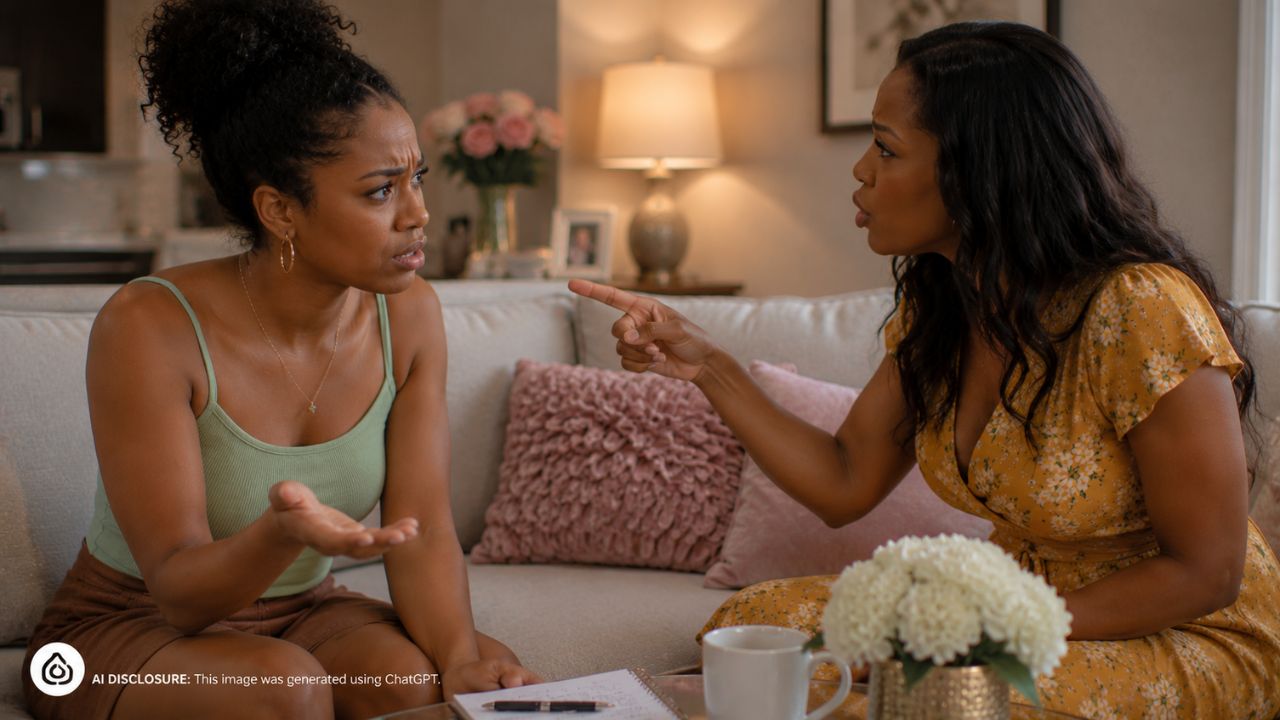
Photo credit: AI-generated image created using ChatGPT. Illustrative only.
There’s a particular kind of sting that comes from being punished for something you didn’t do. Not for a mistake, not for a harsh word, not for showing up late and empty-handed. Just for showing up as yourself, and someone deciding that’s a problem.
That’s the ache underneath a recent wedding fallout shared in the original discussion. A 27-year-old woman said her childhood best friend asked her to step down as maid of honor after a bridesmaid dress fitting—because the bride worried she’d “steal focus” due to her looks. The bride still wanted her at the wedding, just not beside her at the altar, and wanted her to tell people she stepped back because she was “too busy.”
If you’ve lived long enough, you’ve seen how weddings can drag out the best and worst in people. They can bring out generosity and loyalty, and they can also expose insecurity, vanity, and a willingness to use people like props. This one had a bit of all of it, and it ended with a friendship going cold.
A maid of honor until the dress fitting
The two women had been friends since they were four years old, with families closely intertwined. The bride’s brother was best friends with the maid of honor’s boyfriend, and both families were invited, including the boyfriend’s family. This wasn’t a casual “we used to work together” friendship; it was a lifelong, everyone-knows-everyone kind of bond.
After the bridesmaid dress appointment, the bride asked to meet and told her friend she wanted her to step down. The reason wasn’t scheduling, money, or some falling out. The bride said seeing her in the dress made her realize she didn’t want anyone comparing them at the altar, and she didn’t want her friend drawing attention away from her.
The friend cried in the coffee shop, which makes sense. A lot of people can swallow disappointment, but humiliation is harder. She agreed to step down, but she also said she wouldn’t attend the wedding at all if her presence was going to be treated like a burden.
The bride wanted the lie, too
Here’s where it got worse, not better. The bride didn’t simply ask her to step aside; she asked her to help manage the story. She wanted her to tell others she dropped out because she was too busy, and she framed it as “I want you there, I’ll put aside my feelings,” while still insisting she not stand up front in the photos.
That’s not “putting aside feelings.” That’s outsourcing the social cost. If you remove someone for a shallow reason, you don’t also get to ask them to protect your reputation for you. The friend refused to lie and told her it wasn’t fair, especially after she’d already spent money on the bachelorette party, the dress, and even contributed to wedding jewelry.
A lot of people can accept being cut. Fewer can accept being cut and then asked to smile and say it was their idea.
Family pressure to “just go”
Her boyfriend was disgusted by what happened, but he was also tied into the wedding through friendships and family connections. She told him not to skip the wedding on her account, partly because it would cause a domino effect in their social circle and raise questions she wasn’t ready to answer.
Her mother and stepfather urged her to attend anyway. Her mother suggested the bride had always been insecure, and that maybe she “deserved to be the princess” on her wedding day. Her stepfather’s angle was more pragmatic: sometimes people are irrational, and you let it go because of history.
Most men recognize this kind of advice. It’s the same logic that keeps people stuck in bad dynamics at work, in extended family tension, and in friendships that quietly turned sour years ago. “Be the bigger person” can be wise counsel, but it can also be a way of telling someone to accept disrespect so everybody else can stay comfortable.
What this kind of insecurity does to a friendship
The friend acknowledged she has often received more male attention and more comments about her looks, but she didn’t consider that “spotlight” in any meaningful sense. In her mind, her friend was more outgoing, more socially connected, and more successful in other areas. She assumed life had “evened out” between them and didn’t realize her looks were a long-term sore spot.
That detail matters because it’s how a lot of envy works. It doesn’t need to be logical, and it doesn’t need to match the full scoreboard of someone’s life. It fixes on one thing—beauty, money, charisma, the easier path, the luckier break—and it replays it until it becomes a personal grievance.
Still, having an insecurity isn’t the same as making it someone else’s problem. If you’re old enough to get married, you’re old enough to say, “I’m feeling insecure and I hate it,” without turning a friend into collateral damage.
Digging turned up two possible sparks
In an update posted weeks later, the friend said she and her boyfriend did some digging and came up with what they believed were the roots of the bride’s behavior. Months earlier, the groom had reportedly asked the boyfriend when he was going to propose. When the boyfriend said “probably next year,” the groom responded along the lines of “why wait that long, she’s perfect.”
According to the boyfriend and the bride’s brother, the bride took that comment badly because the groom had waited several years to propose to her, and she’d been angry about it since. What may have been “perfect for you” landed as “she’s better,” especially in the pressure cooker of engagement pride and lingering resentment.
The second spark was uglier: at the bridesmaid fitting, the bride’s mother allegedly warned the bride she should have chosen a dress that wouldn’t make her friend “look better” and draw attention. The friend also heard the aunt and cousin piled on, and that there was pressure about a pre-wedding diet. If you’re already insecure, having family members feeding it can turn a small fear into a full-blown obsession.
She went to the wedding, but the friendship didn’t survive
After sitting with it, the friend decided not to confront the bride with the behind-the-scenes information. She didn’t want to derail the wedding or fight to stay in a friendship she no longer trusted. She chose to attend the wedding as a guest—essentially as her boyfriend’s plus-one—for closure and to avoid more social fallout.
The most telling line in her update wasn’t angry. It was numb. She said she’d reached a place where she didn’t care anymore, and that the bride would just be “the wife of my boyfriend’s friend” going forward.
The bride reportedly reached out to talk, but the friend kept her replies polite and minimal. She planned to tell mutual friends the truth after the wedding, not to stir drama, but because she didn’t want to carry a lie or protect someone who didn’t protect her.
A few hard, plain lessons men should notice here
First, marriage doesn’t sanctify vanity. A wedding is a public covenant moment, and it should be handled with humility, gratitude, and a sense of responsibility. If someone is treating friends like stagehands and demanding they manage optics, that’s not “bridal stress,” that’s character under a spotlight.
Second, family voices are powerful, for good and for ill. If a mother, aunt, and cousin are critiquing dresses based on who looks hotter at the altar, they’re not helping a bride prepare for a marriage. They’re training her to measure her worth against other women in the room, which is a miserable way to live and a rough way to start a home.
Third, if you’re the groom or the best man or the brother in a situation like this, watch your words. A throwaway compliment—“she’s perfect”—can land like a grenade when someone’s already keeping score. That doesn’t excuse the bride’s choice, but it’s a reminder that careless comments can become fuel for someone else’s insecurity.
And finally, don’t confuse “keeping the peace” with doing what’s right. Sometimes the peaceful option is just the quiet option. A person can attend the wedding, smile, and keep things polite, and still decide, soberly, that a friendship has run its course.
Losing a decades-long friendship over wedding aesthetics is sad, and it’s also clarifying. If someone can look you in the eye and tell you that your face is a threat, then ask you to lie about it for their convenience, you’re not dealing with a small lapse in judgment. You’re looking at a fault line that was there all along, and the wedding simply put weight on it until it cracked.
Read more from Thrive Girly:
- Mother-in-Law Expected to Sleep Over After Every Visit — Then the Mom Said Overnight Stays Were No Longer an Option
- Relatives Showed Up to the Wedding Without Being Invited — Then the Couple Refused to Find Them Seats
- Grandma Buckled the Baby Into Her Car and Left Without Telling Anyone — Then the Mom Made Sure It Never Happened Again