Friend Stole His Car, Totaled It, and Damaged Two Other Cars — Then Insurance Came Down to One Police Report
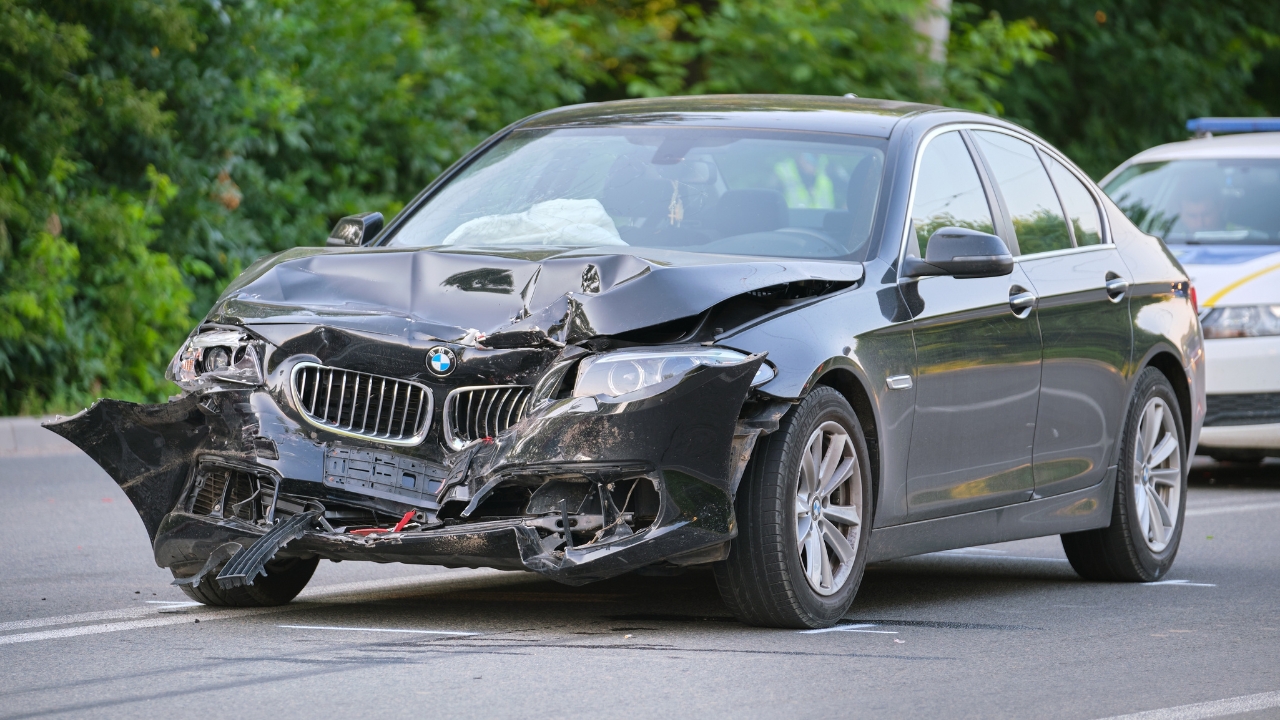
A car owner says his “friend” took his vehicle without permission and turned one bad decision into a full-blown financial mess.
The car was stolen.
Then it was totaled.
Then two other cars were damaged too.
He explained in a Reddit post that the person who took the car was someone he knew, which immediately made the situation more complicated than a random theft. When a stranger steals your car, the next step is obvious: call police, report it stolen, contact insurance, and let the process move.
When it is a friend, people hesitate.
They wonder if calling police is too harsh. They wonder if it will ruin the person’s life. They wonder if the friend will pay them back, make it right, or explain that it was all some terrible misunderstanding.
But once the car was totaled and two other vehicles were damaged, this was not something he could handle with a private apology.
The owner had to think about insurance, liability, police documentation, and whether he might somehow be left responsible for a crash he did not cause.
That is where the police report became the key issue.
If someone takes a car without permission and crashes it, insurance needs to know that clearly. The owner cannot let the situation sound like he loaned the car to a friend who then had an accident. That distinction matters. Permission changes everything.
If the friend had permission to drive, the insurance company may treat the crash one way. If the friend stole the vehicle or took it without consent, that creates a very different claim and potentially changes who is liable for the damage.
The fact that two other cars were damaged made the stakes much higher.
Now the owner was not only worried about losing his own car. He had to worry about other vehicle owners, claims, repair costs, possible lawsuits, and whether his insurance would be pulled into a crash involving a driver he never authorized.
That is terrifying.
A totaled car can already derail someone’s life. People need cars for work, school, family, appointments, groceries, and basic independence. If the car is gone and insurance does not cover it cleanly, the owner can be left trying to replace transportation while also fighting over fault.
And when the person responsible is a friend, the betrayal sits right on top of the practical mess.
This was not a parking-lot ding. This was someone taking a vehicle that did not belong to them and causing major damage. Even if the friend panicked, made a stupid choice, or had some explanation, the result was still the same: the owner was left holding the consequences.
Commenters likely pushed him to stop treating the person as a friend in the context of the claim. The insurance company needed facts, not emotional cushioning. If the car was taken without permission, that needed to be in the police report. If he softened the story to protect the friend, he could accidentally hurt his own claim.
That is the hard part.
People sometimes try to protect someone they know by saying, “Well, they borrowed it,” or “They had access,” or “I did not technically say they couldn’t.” But if the truth is that the car was taken without permission, that needs to be documented clearly from the start.
Otherwise, the victim may end up absorbing the loss.
The post did not appear to end with a quick fix. A totaled car and multiple damaged vehicles do not resolve neatly. There would likely be claims, calls, police paperwork, insurance adjusters, and possibly a long wait before anyone knew who would pay for what.
But the core advice was obvious: make the report accurate and do not let friendship blur the facts.
A person who steals your car and totals it has already changed the relationship.
At that point, the owner’s job is not to protect the friend from consequences. It is to protect himself from a crash he did not cause.
Commenters mostly told him the police report mattered more than anything. Many said he needed to clearly state that the friend did not have permission to take or drive the car.
Several people warned him not to soften the language for insurance. If he made it sound like the friend borrowed the car, the insurer might treat the situation differently and leave him exposed.
A lot of commenters focused on liability for the other two damaged cars. They said he needed to cooperate with police and insurance, but make sure every record showed the vehicle was taken without authorization.
Others said the “friend” relationship was over. Someone who takes your car, totals it, and damages other vehicles has created a legal and financial disaster, not a minor personal disagreement.
The strongest advice was simple: file the report, tell insurance the truth, and let the friend deal with the consequences of taking a car that was not theirs.