Mother-in-Law Expected to Sleep Over After Every Visit — Then the Mom Said Overnight Stays Were No Longer an Option
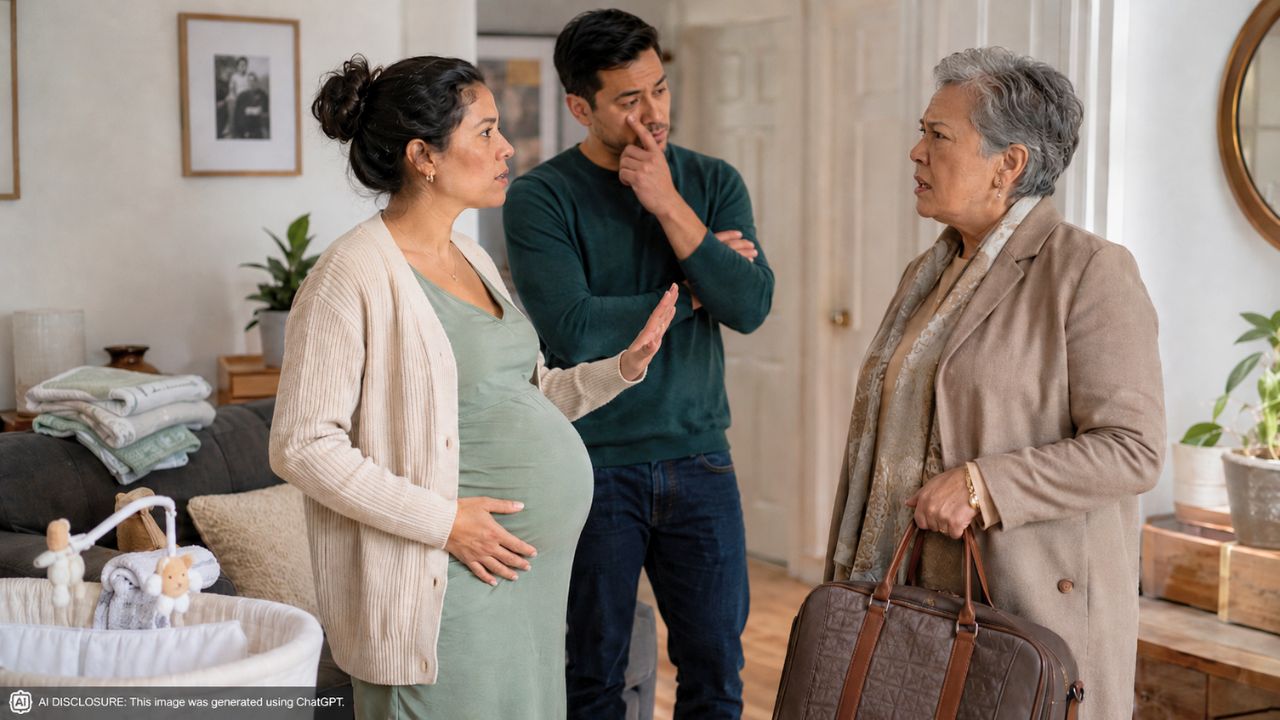
Photo credit: AI-generated image created using ChatGPT. Illustrative only.
In the last stretch of pregnancy, when everything already feels like a countdown, one mom-to-be thought she was doing the responsible thing: making a simple plan for those first few days after the baby arrives. Visits? Yes. Help? Appreciated. But overnight guests? Not right away.
She didn’t expect that one small “not right now” would turn into an all-or-nothing standoff with her mother-in-law—right when she’s supposed to be focusing on labor, recovery, and meeting her baby.
They had a plan for telling family when labor starts
The mom (28) and her husband (27) are expecting their first baby soon, and they’ve already been trying to balance two very different family situations. Her parents live nearby, which makes casual support easy. His mother lives a few states away, so any visit is automatically a bigger production.
By her own description, she and her mother-in-law get along fine, but it’s not a close, cozy relationship. It’s more like polite conversation when she visits—friendly, but not intimate.
To make things fair, the couple planned to call his mom and the woman’s sister (who also lives out of state) as soon as labor starts. They could book a flight immediately or wait until after the birth, whatever worked best. The expectation was clear: they wanted family to meet the baby, and they weren’t trying to keep anyone away.
The request wasn’t “don’t come,” it was “don’t sleep here”
As the due date approached, the expectant mom told her husband something she’d been sitting with: she didn’t want anyone staying overnight at their house for the first few days after giving birth.
He was surprised, but he didn’t fight her. He supported her, and they agreed they would let everyone know ahead of time so it didn’t become a weird last-minute scramble.
Her reasoning wasn’t dramatic or hostile. It was personal, and honestly pretty relatable: she has social anxiety and a low “social battery,” and she expects to feel exhausted and vulnerable postpartum. She wants time to bond as a new little family and adjust without someone else in the house overnight—even if that someone is family.
There was also another detail she didn’t ignore: both moms tend to comment on what the couple is doing “wrong” and how they “should” be doing it. Her mom directs that at her; his mom directs it at him. The mom-to-be could already picture how fragile she might feel, and how quickly well-meaning “advice” could start to feel like criticism when she’s sleep-deprived and healing.
Her mom understood immediately—and even offered a solution
She started by telling her own mother first. She explained that family could come by during the day and stay into the evening, but she wanted the nights to be private in those early days.
Her mom didn’t just accept it—she helped. She offered her home as an option for the mother-in-law, with a comfortable guest room. That way, the out-of-state grandma could still come quickly, still be nearby, and still have a place to stay without being in the couple’s space overnight.
And because she didn’t want anyone to feel like they were being shoved aside, the couple offered another option too: they would pay for a nice waterside hotel for the mother-in-law if she preferred that. Two choices, both considerate, both making it possible for her to visit right away.
In her mind, it was a compromise that kept everyone included while protecting her sanity during a really intense, one-time moment. This is their first baby, and she suspects it may be their only one. She wants to remember those first nights without feeling like she has to host.
Then the mother-in-law made it a standoff
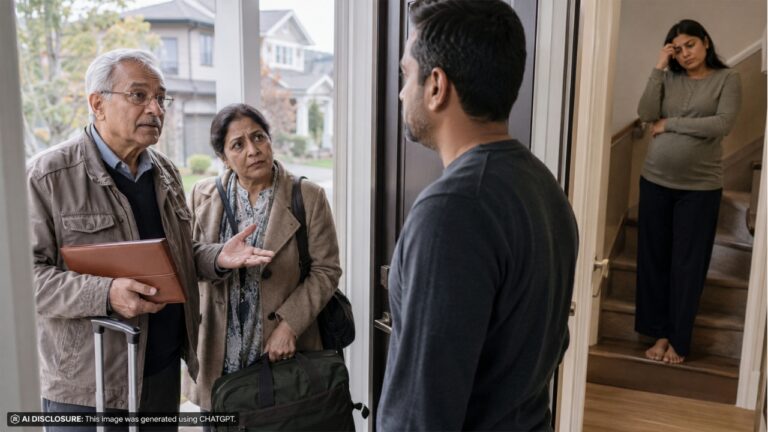
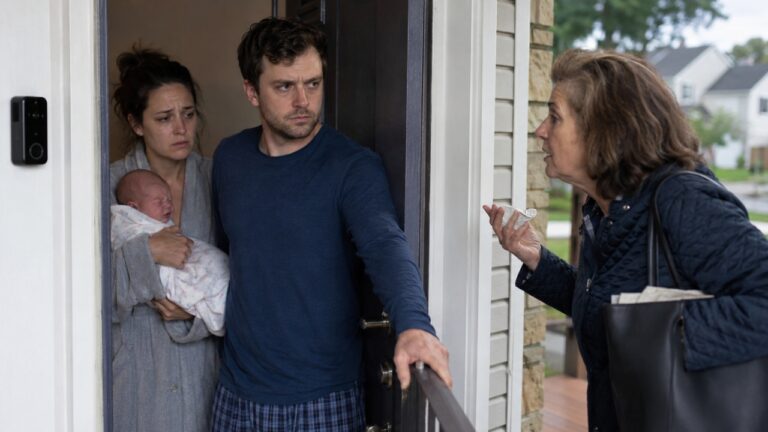
When her husband explained the plan to his mother, the reaction wasn’t just disappointment. His mom got upset and told him that if she couldn’t stay with them, she wouldn’t come at all.
That response landed hard. The mom-to-be had never actually said no to hosting her before, even though it made her anxious. She’d always pushed herself because “that’s family,” and because she felt like she should be able to just get over it.
But postpartum is different, and she knows it. She’s anticipating being physically depleted and emotionally raw. The idea of a houseguest—no matter how excited or well-intentioned—suddenly didn’t feel like something she could muscle through without consequences.
Instead of feeling excited about meeting her baby, she started feeling anxious and panicked about labor itself, because now the birth had become a deadline for a family power struggle. And that’s where the pressure really kicked in: if she holds firm, she worries it could damage her relationship with her mother-in-law and disappoint her husband. If she gives in, she fears she’ll feel overwhelmed and resentful, and that resentment will poison the exact memories she’s trying to protect.
The full story can be found in the original post, where she asked if those first few days are a valid reason to keep overnight stays off the table.
Her husband backed her up, but she could still feel the weight of it
On paper, she had what a lot of people wish they had in these situations: a spouse who didn’t throw her under the bus. Her husband told her it was her decision.
But support doesn’t erase reality. She can tell he wants his mom there, and she wants that too. She’s not trying to keep the baby from grandma. She’s trying to avoid turning her immediate recovery into a hosting situation, especially when she already expects she’ll be stretched thin.
That’s what makes the mother-in-law’s ultimatum feel so sharp. The couple didn’t say, “Don’t come.” They said, “Please stay somewhere else at night for a few days.” They even offered to pay. And the response was still, essentially, “Then I’m not coming.”
Now the mom-to-be is left holding the emotional mess: if the mother-in-law chooses not to come, it won’t be because she wasn’t invited. It’ll be because she didn’t get the exact version of access she wanted.
The moment forced a choice she didn’t want to make
In the end, her question wasn’t really about guest rooms or hotel rooms. It was about whether she’s allowed to protect her peace during the most intense physical and emotional event of her life, even if someone else feels offended.
She tried to create a middle ground: daytime visits, family included, plus private nights for bonding and breathing. She even acknowledged that having people around all day might still be hard, but felt like nights alone were the bare minimum that would help her stay steady.
And yet, her mother-in-law’s reaction turned that compromise into a test. If she caves, she risks teaching everyone that postpartum comfort is negotiable. If she doesn’t, she risks a cold start to a brand-new chapter in their family.
For now, the tension is still hanging there. She’s close to giving birth, her husband is stuck between his mother and his wife, and her mother-in-law is essentially waiting to see whether she gets an overnight stay or doesn’t show up at all. The baby hasn’t even arrived, and already the first boundary of parenthood is being challenged.