Sister-in-Law Wore a White Dress to Her Wedding — Then the Bride Blocked Her for Good
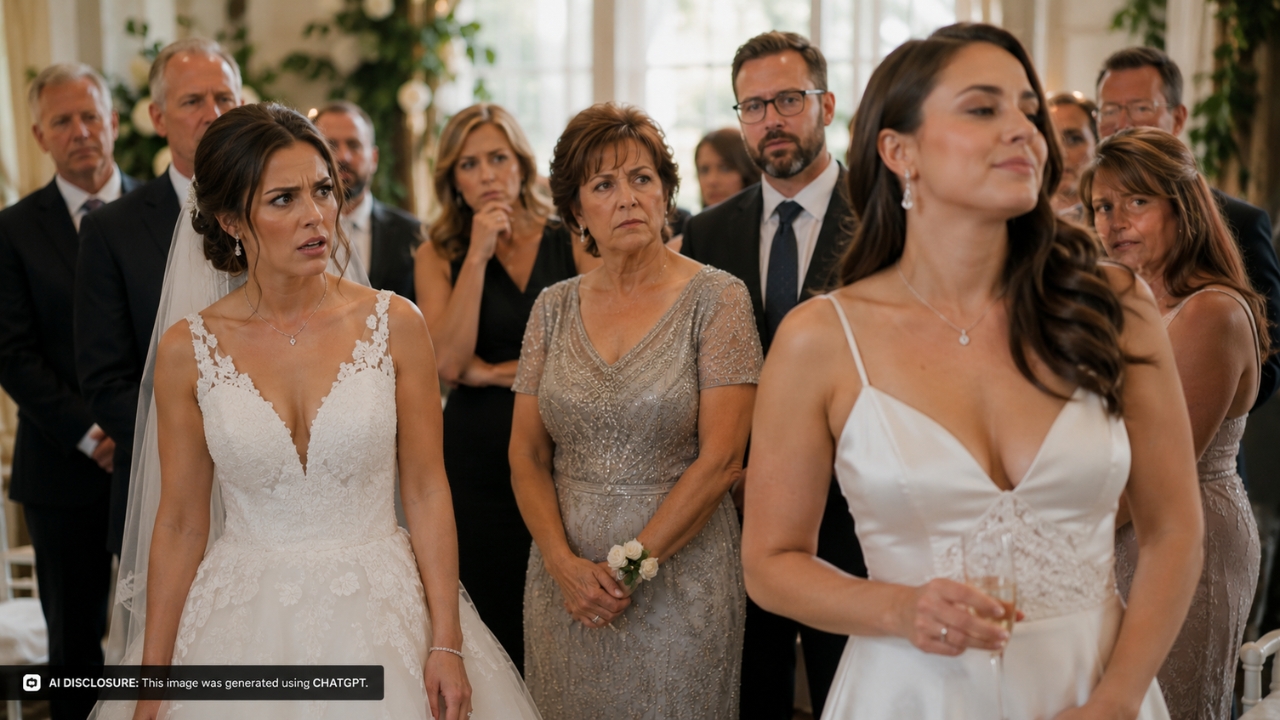
Photo credit: AI-generated image created using ChatGPT.
There are a few unwritten rules at a wedding, and most adults know them without needing a flowchart. Don’t pick a fight with the DJ, don’t get hammered during the vows, and for the love of peace in the family, don’t show up looking like you’re auditioning to be the bride.
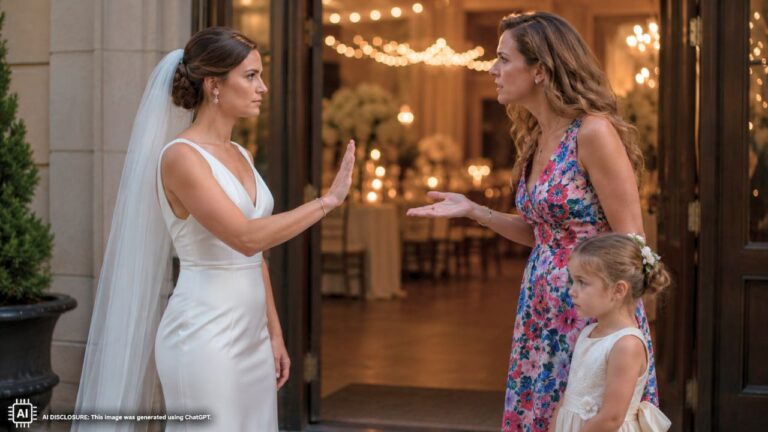
One newly married woman laid out her situation in the original post, and it’s the kind of story that makes a man wince because you can already see how it goes. She says she’s felt for two years that her husband’s sister doesn’t like her, describing quiet snubs during visits and a steady sense of being iced out. Then, at the wedding two weeks ago, the sister-in-law showed up in what multiple people described as a white, wedding-style dress, while the mother-in-law insisted it was “beige.”
Afterward, the bride tried to reconnect on Instagram, noticed the sister-in-law still wouldn’t follow her back, and finally blocked her. Now she’s torn between letting it go and having her husband step in, all while wondering if she’s “going crazy” for feeling disrespected.
When you’ve felt the cold shoulder for years, you notice everything
On paper, a dress color sounds like a small thing. In real life, it lands differently when it’s sitting on top of a couple years of feeling ignored. The bride described visits where she had to initiate basic greetings, even though the trip was to see family, and she couldn’t shake the sense that her husband’s sister had decided she wasn’t worth warmth.
That’s the part a lot of people miss: the dress wasn’t the beginning of the issue. It was the loudest moment in a longer pattern. When you’ve already been treated like an outsider, your brain starts cataloging every slight, and some of that cataloging is fair while some of it can make you jumpy.
White, beige, ivory—people know what they saw
According to the bride, four bridesmaids, her sister, and her mom all told her the dress was white. The mother-in-law said “beige,” which might be honest, might be protective, or might be a way of keeping the peace by minimizing the problem. Either way, the bride wasn’t reacting to a single private impression; she was responding to what several people around her noticed too.
Weddings have their own social language, and color matters in that language. If you have to argue that your dress was technically “champagne” or “beige,” you’re already too close to the line. A grown woman attending her brother’s wedding should have enough awareness to avoid anything that reads bridal in photos, lighting, or from twenty feet away.
Sometimes it’s a mistake, sometimes it’s a message
There are a few possibilities here, and a wise man doesn’t pretend he knows which one is true without more facts. It could be cluelessness—someone who genuinely doesn’t understand how that choice looks. It could be stubbornness—someone who understands and doesn’t care. Or it could be something more pointed, a quiet power play that says, “I’m going to do what I want, and you can’t stop me.”
The bride’s reaction suggests she believes it’s part of a pattern, and patterns matter. Still, it’s worth separating “I feel disrespected” from “I can prove intent.” You don’t need to prove intent to set a boundary, but assuming intent too quickly can turn a tense relationship into an unfixable one.
Blocking feels clean, but families don’t stay blocked
Blocking someone can be satisfying because it ends the drip of small annoyances. No more checking who followed whom, no more watching passive-aggressive behavior unfold in real time, no more letting your day get hijacked by a tiny notification. If the bride felt herself spiraling, blocking probably brought some instant relief.
But a block button doesn’t actually solve a family problem. These people will be at holidays, birthdays, and future gatherings, and the husband is stuck in the middle whether he likes it or not. The block may be a temporary tourniquet, but if there’s a deeper wound—disrespect, jealousy, or family dynamics—someone eventually has to deal with it like an adult.
The husband’s role: protect the marriage without declaring war
If you’re the husband in this situation, your job isn’t to scold your sister like a teenager. Your job is to make it clear—calmly and firmly—that your wife is your primary family now, and disrespect toward her isn’t going to be treated as normal background noise. That doesn’t require a dramatic confrontation, but it does require clarity.
A simple approach is often best: ask what happened, state how it came across, and set expectations for the future. “Hey, several people mentioned your dress looked white in photos and it upset my wife. I need you to be mindful about that kind of thing going forward.” He doesn’t have to litigate whether it was beige or white; he can name the impact and draw the line.
It’s also worth noting: if the mother-in-law is minimizing it, the husband needs to avoid letting his mom become the referee. Couples get into trouble when they outsource their marriage’s boundaries to extended family. A man leads his home by handling hard conversations instead of hoping his wife will swallow it to keep things pleasant.
Stop using Instagram as the scoreboard
The bride mentioned follow requests, quick acceptance, no follow-back, unfollowing, re-following, and then blocking. If you’ve ever watched adults do this dance, you know it’s a recipe for constant agitation. Social media turns relationships into little public measurements: who liked, who followed, who ignored. It’s poison for people already feeling insecure or unwelcome.
If there’s real relational tension, it won’t be solved by a follow-back. And if there isn’t real tension, social media can manufacture it by making every interaction feel like a referendum on your worth. A healthier move is to keep communication direct and limited: actual conversations, actual invitations, and fewer digital “tests” that only create more resentment.
What a grounded next step could look like
If the bride wants peace without pretending everything is fine, she needs two things: a united front with her husband, and a plan for future contact that doesn’t depend on hoping the sister-in-law becomes someone else. The husband can address the dress issue once—briefly—then shift the focus to the bigger expectation: basic respect and basic manners.
On the bride’s side, it may help to decide what she actually wants. Does she want an apology, distance, or simply civility? An apology might never come, and chasing it can keep her emotionally tied to someone who enjoys withholding warmth. Distance is allowed, but distance works best when it’s quiet and consistent, not fueled by online checking and reacting.
If family gatherings are coming up, the couple can agree on a few practical boundaries: arrive together, leave together, don’t get cornered into arguments, and don’t let snubs go unanswered in the moment. Sometimes the most effective sentence is also the simplest: “That was rude—please don’t talk to me like that.” No theatrics, just self-respect.
Most marriages get tested by small fractures in the extended family long before they face big crises. A wise couple learns to deal with disrespect early, speak plainly, and refuse to let other people’s immaturity run the household. Whether the dress was white or “beige,” the bigger issue is whether the husband and wife will protect their unity and move forward with steady, grown-up boundaries.
Read more from Thrive Girly:
- Mother-in-Law Expected to Sleep Over After Every Visit — Then the Mom Said Overnight Stays Were No Longer an Option
- Relatives Showed Up to the Wedding Without Being Invited — Then the Couple Refused to Find Them Seats
- Grandma Buckled the Baby Into Her Car and Left Without Telling Anyone — Then the Mom Made Sure It Never Happened Again