Her Husband’s Brother and His Wife Never Made an Effort With Her Family — Then She Stopped Pretending Their Kids Deserved Equal Attention
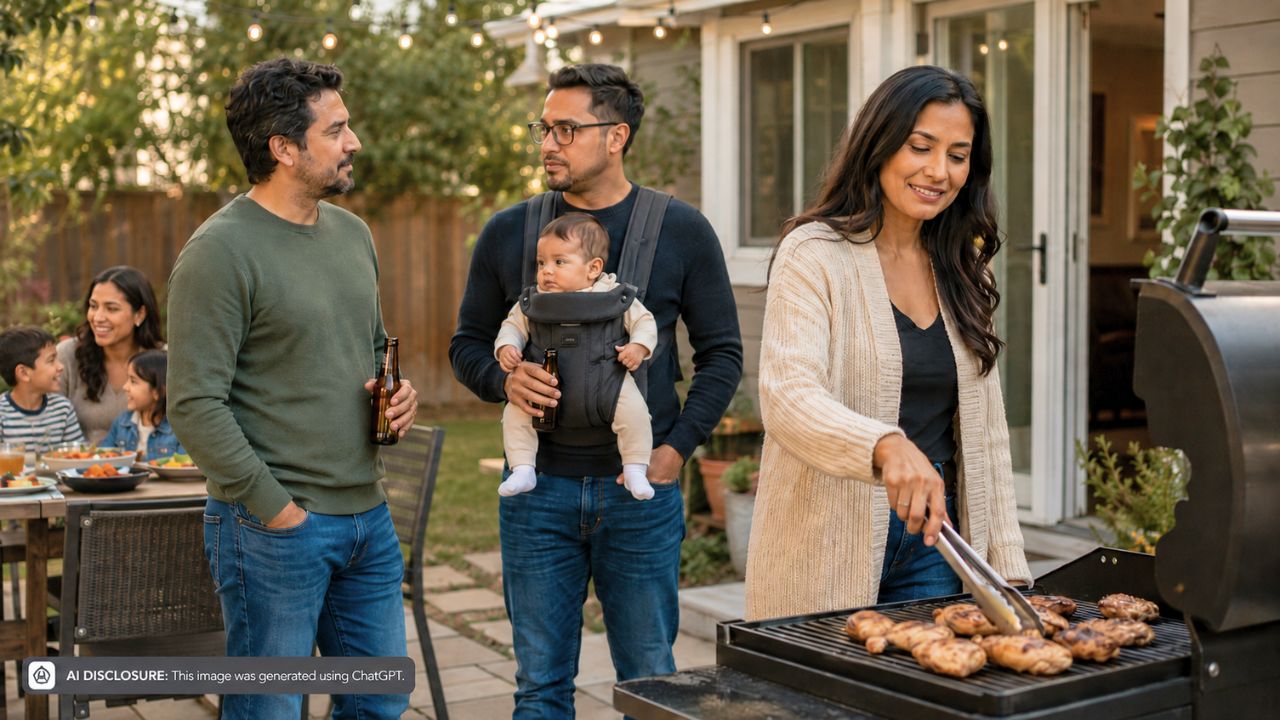
Photo credit: AI-generated image created using ChatGPT. Illustrative only.
She didn’t wake up one day and decide to “rank” the kids in her life. It just happened the way most family closeness happens: the people who show up the most end up getting the most of you.
In the original post, a woman laid out a dynamic that had been building for years—one side of the family felt like home, the other felt like an obligation. Now that her husband’s brother and sister-in-law have a baby, the expectations are suddenly shifting, and she’s not interested in pretending the relationship is something it’s never been.
The closeness was built the old-fashioned way: effort
She’s always been tight with her sister. Her sister had kids first, and that matters, because those early years set the tone for how involved someone becomes as an aunt.
But it wasn’t just timing. Her sister consistently made an effort—inviting her and her husband over, making sure they were included, making time when they visited her parents. Because of that, it felt natural for her to be excited about the kids, to babysit, to be involved in the day-to-day moments.
She didn’t just attend birthdays; she helped create memories. She’d invite her sister’s kids over for sleepovers, and she’d plan shared activities as birthday gifts. She and her husband even became the kids’ godparents, which isn’t the kind of thing you do with people you barely see.
Meanwhile, the in-law relationship stayed polite—and distant
On her husband’s side, it was the opposite story. His brother and his wife never really tried to build a relationship with them, and it sounds like that distance wasn’t subtle.
They didn’t invite the couple over, and they didn’t reach out. The one time they did host them—during the couple’s engagement—it didn’t feel warm or natural. It felt forced, like it happened because her mother-in-law pushed it, not because her brother-in-law and sister-in-law wanted to know them better.
Most of the time, they only saw each other at the family cottage, and even that didn’t feel like quality time. It was more like shared space, where you happen to be near someone without actually connecting.
And here’s the part that stings: despite the lack of emotional investment, her husband and she were still the ones helping. She mentioned always being the ones who showed up to help them move or get their boat in—real, physical effort—while the relationship itself never deepened.
Then a baby arrived, and the expectations changed fast
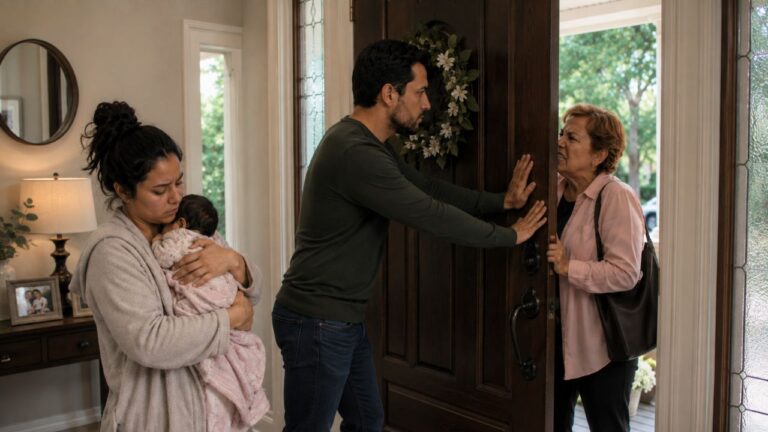
Once her husband’s brother and sister-in-law had a child, the family tone shifted. Suddenly, her in-laws started noticing what had always been true: she spent more time with her sister’s kids.
She wasn’t cruel about it. She said she’s polite and supportive, and she asks about the baby when they’re around. She’s not ignoring the child or acting like the baby doesn’t matter. She just doesn’t feel that natural bond, because she doesn’t have a natural relationship with the parents.
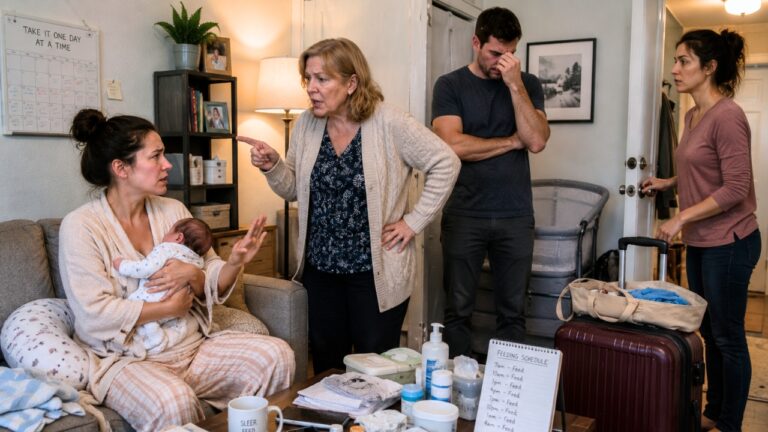
That’s where the pressure started creeping in. Her in-laws began making comments about wanting her around more. They also kept hinting about how the child will want to do activities with her and her husband when he’s older—like the plan is already decided, and she just needs to get on board.
But in her mind, that’s backwards. She doesn’t want to be responsible for building a whole “fun aunt” relationship through outings and experiences when the parents never laid the foundation. She’s willing to show up if they invite her. She just doesn’t want to be the one doing the planning and emotional labor for a connection that’s never been mutual.
It wasn’t just the baby—it was the emotional drain
Part of why she’s resisting isn’t petty. It’s exhaustion.
She explained that she’s already stepped back from her husband’s family because being around them is emotionally draining. Everything is “always about how hard things are” for her brother-in-law and sister-in-law, and she’s had issues with her mother-in-law overstepping with her and her husband before.
So she scaled it to what she can handle: about a monthly visit. Not constant weekends, not endless family obligations, not being pulled into everyone else’s needs.
That context matters, because it’s not like she’s sitting around with extra time and energy and choosing to withhold it. She’s already rationing what she has, and she’s using it where it feels healthy and reciprocal—her sister’s family.
The real sticking point: “Equal” attention that was never earned
This is where the situation gets uncomfortable, because the word nobody says out loud is “equal.” The in-laws seem to want the same level of attention given to her sister’s children to be given to her husband’s brother’s child, too.
But she’s looking at the history and thinking: equal compared to what? Her relationship with her sister didn’t happen by default. It happened because her sister kept showing up, kept inviting, kept making space. That’s what created the closeness with the kids.
With her brother-in-law and sister-in-law, the pattern has been the opposite. No invitations, no outreach, no effort—just occasional proximity at the cottage and requests for help when they need something practical done.
Now that there’s a baby involved, she feels like she’s being asked to fill a role she never auditioned for: the planner, the activity coordinator, the eager aunt who provides experiences and outings.
And she isn’t even saying she’ll never do anything. She said she’s happy to gift experiences for birthdays. She just doesn’t feel like she “needs” to attend those experiences or build her calendar around them. In her view, the parents can go with the grandparents, or do it as a family. The gift is the gift. The performance isn’t included.
Where it’s left things: cordial, but no more pretending
At the heart of her question is something a lot of people struggle to say plainly: she doesn’t want to force closeness for appearances. She’s happy to be kind. She’s happy to attend events if they plan them and invite her. She’s not trying to punish a child for adult behavior.
She just doesn’t want to carry the relationship on her back—especially when the same people who didn’t make room for her life are now imagining a future where she’s automatically a major character in their child’s.
Right now, she’s holding her line: she’ll be supportive when they’re around, she’ll show up when she’s invited, and she’ll keep investing where the connection actually exists. That may not be the picture her in-laws want, but it’s the one that matches the reality they helped create.
Read more from Thrive Girly:
- Mother-in-Law Expected to Sleep Over After Every Visit — Then the Mom Said Overnight Stays Were No Longer an Option
- Relatives Showed Up to the Wedding Without Being Invited — Then the Couple Refused to Find Them Seats
- Grandma Buckled the Baby Into Her Car and Left Without Telling Anyone — Then the Mom Made Sure It Never Happened Again