Her Daughter’s Grandparents Lied About Her Whereabouts for Hours During a Visit — Then She Stopped Sending Her There

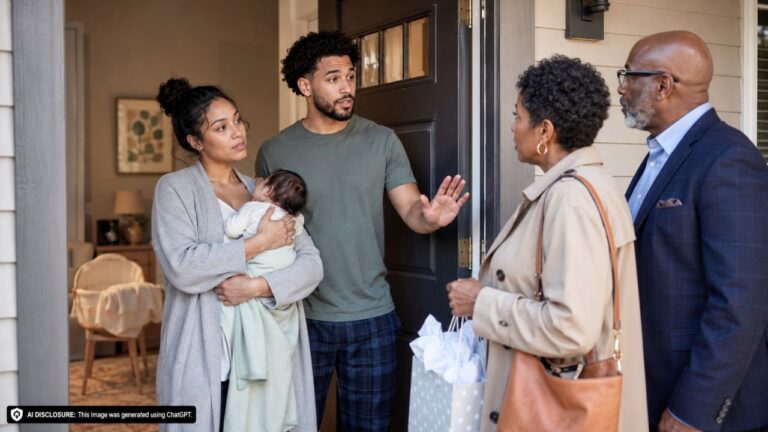
Photo credit: AI-generated image created using ChatGPT.
There’s a special kind of panic that hits a parent when the adults in charge start dodging simple questions. Not “What did you feed her?” questions. Basic, bare-minimum “Where is my child right now?” questions.
That’s the situation a mother described in the original post: she usually let her 6-year-old daughter spend the whole summer with the child’s paternal grandparents, partly because the girl’s father “isn’t around much.” The grandparents live four hours away, and during a handoff arranged with the mom’s sister, things went sideways fast. The grandmother kept pushing the pickup time back—noon, then 3 p.m., then 7 p.m.—and eventually admitted the aunt had taken the child to lunch and wasn’t coming back or answering calls.
By the time the mom threatened to call police, the aunt finally returned with the little girl. The sister said the adults covered the child in a blanket and rushed her inside, and when she was finally handed over, the child was “hysterically crying” and said she was scared and that they were being mean. After that, the mother went no-contact and stopped sending her daughter there, but the grandparents later tried to reestablish contact—through the mother’s older child’s father, of all people—and demanded to see the child again.
The moment it stopped being about “family time”
Plenty of families do the summer-with-grandparents routine, and most of the time it’s harmless—ice cream, late bedtimes, and a little more screen time than mom would allow. But the story here isn’t about grandparents spoiling a kid. It’s about adults refusing to account for a child for hours and acting offended that a mother wanted to know where her daughter was.
Once you’re in “we won’t tell you where your six-year-old is” territory, you’re not talking about hurt feelings or different parenting styles. You’re talking about trust, judgment, and the basic responsibility that comes with watching a child. If an adult can’t handle a simple location check-in, they shouldn’t be responsible for someone else’s kid—especially not four hours away for an entire summer.
What happened during the delayed pickup
The handoff should’ve been simple: the mom’s sister would pick up the child at noon, keep her for a couple days, then return her to the grandparents. The grandmother agreed and said the child would be ready. But when noon came, the grandmother said the aunt had taken the child to lunch, so they adjusted the plan to 3 p.m.
At 3 p.m., they still weren’t back, and the grandmother pushed it to 7 p.m. Then at 7 p.m., the sister arrived and was told the aunt still wasn’t back. Worse, the aunt wouldn’t answer calls, and when she did, she refused to say where they were. The grandmother then got upset at the sister waiting at the house and shut the door on her, while both the aunt and grandmother stopped answering the mom’s calls.
That’s the part that should make any father with a pulse sit up straighter. Adults can be disorganized. Phones die. Plans change. But shutting the door, ignoring calls, and refusing to disclose a child’s location isn’t normal chaos—it’s defiance.
The child’s reaction matters, even without bruises
When the aunt finally returned, the sister said they covered the child in a blanket and hurried her inside. When the door opened again, the little girl was crying hard. The grandmother reportedly yelled that the child “doesn’t want to go” and that’s why she was crying, which is a strange thing to say if everyone’s innocent and calm.
Later, the child told the family she was scared and that the adults were being loud and saying mean things. The mother also explained that her sister is an ER nurse and checked the child for visible injuries; the child said she wasn’t physically harmed. But a lack of bruises doesn’t equal safety. A kid can be frightened, intimidated, or handled roughly without leaving marks, and a child’s fear after being in a specific group of adults is information a parent should take seriously.
The blanket detail might be nothing—maybe it was cold and someone tried to be helpful. Or it might have been a sloppy attempt to hide something: tears, a red face, disheveled clothing, whatever. The point is, in a healthy situation you don’t have to guess, because the adults communicate clearly and act like they understand they’re accountable.
The most telling line: “We don’t need to tell you anything”
Afterward, the grandmother called the mother and told her she was wrong for threatening to call police. Then came the line that should end the conversation: the grandmother claimed that when they have the child, they don’t need to let the mother know anything about what they do.
No responsible caregiver believes that. Not a coach, not a babysitter, not a grandparent who understands their role. If you’re watching someone else’s child, you’re temporarily holding a stewardship that belongs to the parent, and you don’t get to rewrite the rules because you feel entitled.
There’s also a power play embedded in that statement. It’s not just “We were busy.” It’s “You’re not in charge here.” That’s the kind of attitude that creates unsafe situations because it teaches the adults involved that they can ignore boundaries and later argue about it like it’s a difference of opinion.
Grandparents aren’t a substitute for a present father
The mother said there’s no custody agreement because the father refuses to care for the child and has denied her, though the grandparents have tried to get him involved. It’s a messy, painful setup, and it’s not rare. A lot of women end up letting the father’s parents stay connected because they don’t want the child to lose that whole side of the family.
But here’s the hard reality: a grandparent relationship can be a gift, but it can’t be built on entitlement. If the father isn’t showing up, the grandparents don’t get to slide into “we make the calls now” mode. Their access is a privilege the mother extends, not a right they can enforce by pressure, guilt, or third-party phone calls.
And for the men reading this: this is part of the wreckage left behind when a dad drifts. When a man won’t take responsibility, other people try to fill the gap, and sometimes they do it badly. A father’s absence doesn’t just create sadness. It creates confusion about authority, protection, and who answers to whom.
Why “supervised visits” still might not be wise
The mother later clarified she already hasn’t allowed her daughter to go with them for some time, and her question is more about whether she should allow contact or supervised visits in her own home. That’s a reasonable thing to think through, especially when a child sometimes says she misses them.
Still, supervised visits aren’t automatically a safe compromise. If someone believes they don’t have to tell you where your child is, they may also believe they don’t have to respect your rules inside your home. And if they’re the type to shut doors and ignore calls, they may be the type to create a scene in front of your child to regain control.
Supervision also needs real boundaries to mean anything: clear times, no surprise “let’s just take her to the store,” no side conversations that undermine mom, and a zero-tolerance policy for yelling, guilt-tripping, or recruiting the child emotionally. If the adults can’t accept those conditions calmly, that’s your answer.
Document, get counsel, and keep your spine
The mother said she called police and was told a report couldn’t be done because the child was returned and not physically harmed, though she was advised to document it through a child abuse and neglect hotline. She also plans to speak to a lawyer when she can afford it, but she lives in a rural area with limited options. That’s another reality people don’t talk about enough: sometimes the “proper channels” are far away, expensive, and slow.
Even so, the direction is sound: document what you can, keep communication in writing where possible, and get legal advice when you’re able. If grandparents are willing to track down unrelated people to pressure you, you want a record of that behavior. Not because you’re trying to punish them, but because protecting a child sometimes means proving patterns instead of arguing feelings.
Family matters, and most of us wish these stories ended with apologies and repaired trust. But an adult who can’t answer for a six-year-old’s whereabouts for hours, then acts offended that the mother wanted to call police, isn’t asking for reconciliation—they’re asking to keep control. A parent’s job is to protect the child first, even when it costs you peace with other adults.
Read more from Thrive Girly:
- Mother-in-Law Expected to Sleep Over After Every Visit — Then the Mom Said Overnight Stays Were No Longer an Option
- Relatives Showed Up to the Wedding Without Being Invited — Then the Couple Refused to Find Them Seats
- Grandma Buckled the Baby Into Her Car and Left Without Telling Anyone — Then the Mom Made Sure It Never Happened Again