Her Sister Refused to Adjust a Bridesmaid Dress Around Her Medical Port — Then She Pulled Out of the Wedding

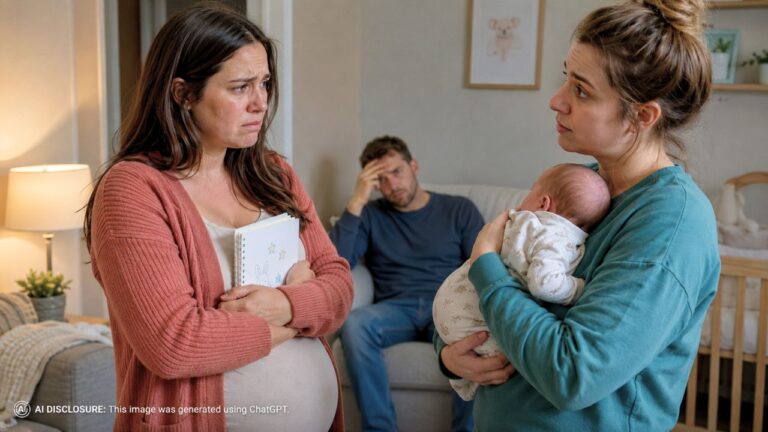
Photo credit: AI-generated image created using ChatGPT.
Weddings have a way of turning grown adults into art directors. Everything has to match, everyone has to stand in the right spot, and the pictures have to look like the bride’s imagination. Most of the time it’s harmless, even kind of fun. But once real life shows up—illness, grief, money stress, family complications—the “dream day” either makes room for people or it runs them over.
In the original post, a 24-year-old woman explains that her younger sister Hannah is getting married and has been planning a very specific wedding vision for years. The bridesmaids picked matching dresses in January, all the same style in different shades. Then in late March, the older sister was diagnosed with a condition that requires treatments via a medical port until mid-June, and the neckline of the chosen dress presses uncomfortably against the port.
At final fittings, she asked for a small alteration—loosening the neckline to make it tolerable. Hannah refused, saying it would look “trashy” because the other dresses were fitted and hers would be “bagger on top.” When the bride framed the discomfort as something her sister should just endure for “one day” to protect the wedding aesthetic, the bridesmaid pulled out of the wedding party. She still planned to attend as a guest in an approved dress, but the maid of honor and others weren’t pleased about the timing.
A medical port isn’t a fashion preference
It’s easy for some people to hear “alter the neckline” and translate it into “she wants a special look.” That’s not what’s being described. A medical port is part of treatment, and the placement can make certain clothing painful or risky to wear for long hours. Even if the bride thinks it’s “mild discomfort,” she isn’t the one living in that body, in that season, with that diagnosis and treatment schedule.
There’s also a basic dignity issue here. A bridesmaid asking for a small accommodation so she can stand up there and support the bride is not trying to steal attention. She’s trying to show up while dealing with something heavy, and she’s asking the group to make a tiny adjustment so she can do it without wincing through the vows and reception photos.
When “my dream wedding” becomes an excuse
Most weddings carry some stress, and most brides and grooms have a few strong opinions. Fine. But “I’ve been planning this since before I was engaged” can become a justification for controlling behavior, especially if the wedding has quietly become the main project that gives life meaning and momentum. Then any deviation feels like a personal threat, not a normal complication.
The bride’s comment that she would remember the “out of place” dress when thinking of her wedding is telling. If your sister’s medical situation ranks below the tightness of a neckline in the memory bank, something’s off. Marriage is supposed to be the start of building a home with another person, not the crowning achievement of a themed photo shoot.
The sister who stepped down wasn’t trying to punish anyone
Pulling out of a wedding party can sound dramatic, but in this situation it reads more like a boundary than a tantrum. She didn’t say she was skipping the wedding. She didn’t demand everyone change colors or styles. She simply declined the role that required her to wear a dress that aggravated a medical port, and she offered a reasonable alternative: attend as a guest in an approved outfit.
That’s a mature move, even if it’s inconvenient. People forget what being a bridesmaid often costs: fittings, alterations, rehearsal time, pictures, standing for long stretches, hugging relatives, and smiling through the chaos. If the bride won’t make space for a minor alteration tied to a medical need, it’s fair to step back rather than fight every step of the process.
The maid of honor’s reaction shows how wedding parties go sideways
The maid of honor “chewing her out” a month before the wedding is the kind of thing that happens when the wedding party becomes an enforcement squad. Instead of asking, “Are you okay?” the instinct becomes, “How could you do this to her?” It’s group pressure dressed up as loyalty, and it often makes conflict worse.
Yes, a month out is close. Dresses are ordered, photos are planned, and people are counting heads. But the diagnosis came in late March, after the dresses were chosen, and the discomfort is connected to an ongoing treatment timeline. You can’t schedule sickness to fit the seating chart. A good friend protects the bride from unnecessary drama, but a wise friend also tells the bride when she’s being unreasonable.
What a healthy compromise could’ve looked like
The frustrating part is how solvable this sounded at the start. A slightly adjusted neckline, a matching shawl, a different cut in the same fabric, or even a small accessory that keeps the look cohesive—there are plenty of ways to keep a wedding aesthetic without asking someone to suffer physically. The point isn’t that every detail should bend; it’s that people aren’t props.
And if the bride truly couldn’t tolerate any variation in the dress, she had other options besides shaming her sister. She could’ve said, “I hate that this is happening, but I want you comfortable—would you rather attend as a guest?” Instead, she framed her sister’s request as selfishness. That wording tends to leave a bruise that lasts longer than a wedding weekend.
What this says about character, not just a dress
Under the fabric and fittings is a question about what we honor. A wedding is a serious thing, not because of flowers or photos, but because it’s a public vow before God and witnesses. That kind of day should be marked by humility and gratitude, not the demand that other people bleed a little so the pictures look perfect.
This isn’t about villainizing the bride, either. A 21-year-old under stress can get tunnel vision, especially if she’s been told her whole life that her wedding day is the main event. But adulthood—and especially marriage—means learning to value people over presentation. If you can’t show gentleness to your own sister over a medical port, you’re going to have a hard time with the messy, unglamorous sacrifices that marriage requires.
Family rifts don’t heal on their own
Now that she’s stepped down, the immediate decision is made, but the relational damage is still in play. If the sisters care about staying close, somebody will need to circle back after the wedding and speak plainly. Not a courtroom argument, not a social media trial—just an honest talk about what was said, why it hurt, and what each person needed in that moment.
The older sister can hold her ground on comfort while still expressing love: she wanted to stand beside her sister, she just couldn’t do it in pain. The bride, if she’s willing, can admit she got consumed by the image and spoke harshly. Pride keeps families stuck for years, and humility can repair things faster than people think.
There’s a hard lesson here for anyone planning a wedding or standing in one. A wedding day is important, but it’s not more important than the people you’re asking to share it with you. If the cost of “perfect” is making your own sister feel disposable during a medical treatment season, the photos won’t be the thing you regret later. The way you treated her will be.
Read more from Thrive Girly:
- Mother-in-Law Expected to Sleep Over After Every Visit — Then the Mom Said Overnight Stays Were No Longer an Option
- Relatives Showed Up to the Wedding Without Being Invited — Then the Couple Refused to Find Them Seats
- Grandma Buckled the Baby Into Her Car and Left Without Telling Anyone — Then the Mom Made Sure It Never Happened Again