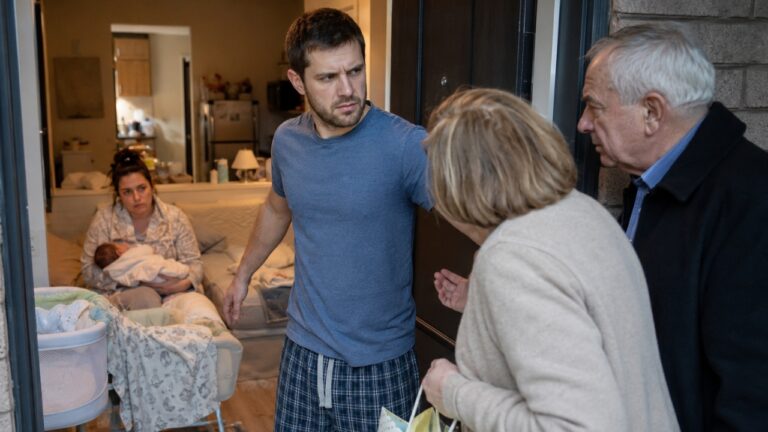
MIL Left the Whole Inheritance to Her Son and Moved In Anyway — Then Her Son-in-Law Told His Wife to Ask Her to Leave
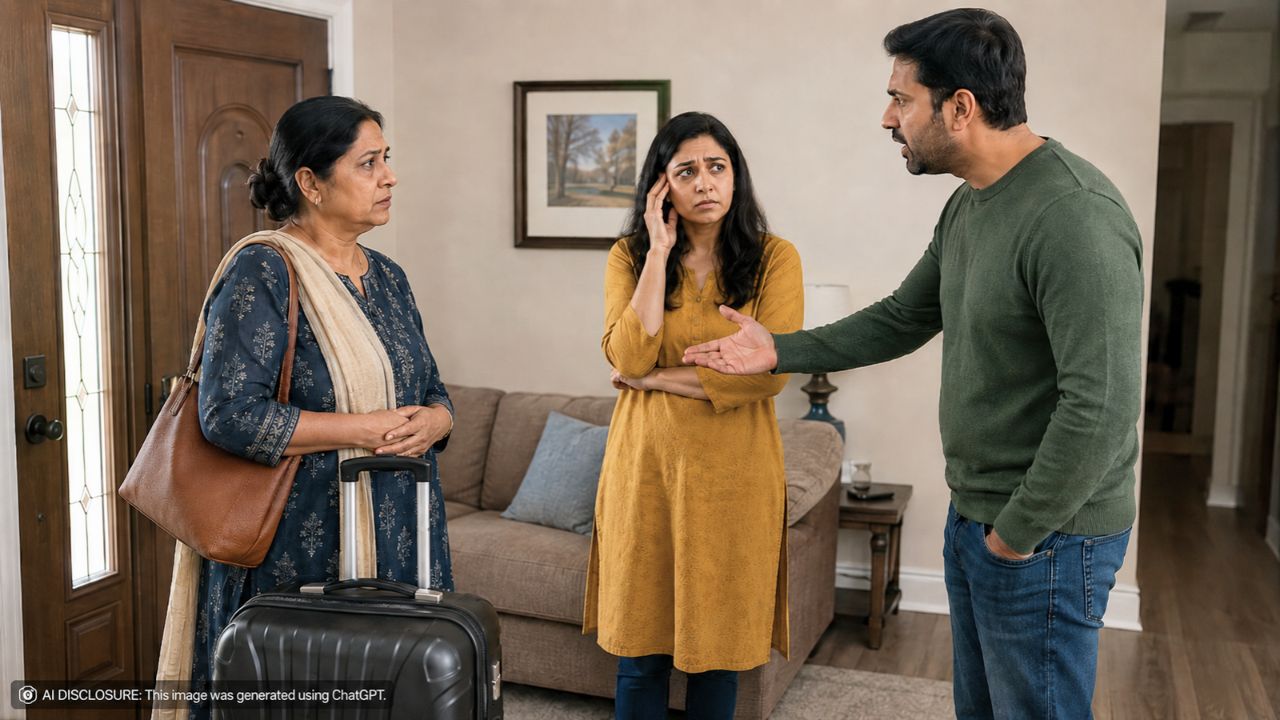
Photo credit: AI-generated image created using ChatGPT. Illustrative only.
A man can handle a lot of pressure, but there’s a special kind of strain that comes from trying to be the “responsible adult” inside somebody else’s family grief. You’re doing the paperwork, making the calls, translating the situation into something that functions, and then you discover the plans being made don’t include you—or your wife—at all.
That’s the knot at the center of the original post. A 32-year-old husband explains that his father-in-law passed away and left a sizable life insurance payout to his widow and son. His wife, who had been heavily involved in caring for her mother through breast cancer and now helps manage life after her father’s death, received nothing. Then the mother and brother moved into the couple’s home “because they were too distraught” to stay in the family house—while the husband quietly became the one keeping the whole ship from sinking.
The flashpoint wasn’t only the inheritance. It was what the inheritance said out loud: “We’ll take your help, your home, your time, your driving, your competence… and still treat you like you’re not part of the future.” That’s enough to make a steady man wonder if he’s being used, even if everyone involved is hurting.
Grief doesn’t cancel responsibility
Losing a husband and father is a real blow, and it makes sense that a household might feel unmoored afterward. The husband describes his father-in-law as “truly the only adult in the home,” the guy who handled the practical life stuff—bills, driving, and the basic rhythm that keeps a family from drifting. When that man dies, the vacuum is immediate.
Still, grief is not a free pass to avoid the hard work of reorganizing life. If anything, grief makes responsibility more urgent, because the consequences of passivity get worse when nobody’s steering. Moving into someone else’s home may be necessary for a short season, but it has to come with humility, clarity, and a plan to stand back up.
When you become the family’s “fixer,” you’re also becoming the fallback
One detail in this story matters: the husband didn’t just offer a couch and condolences. He took over estate planning tasks, handled bills and policy changes, and did the “heavy lifting” because his mother-in-law doesn’t speak English and doesn’t drive. He even discovered the existence of the life insurance policy through extensive digging—meaning the family didn’t know what they had, or how to access it, until he found it.
That’s not small help; that’s structural help. The problem with structural help is that it quickly becomes assumed, not appreciated. And when it becomes assumed, the person providing it starts to feel less like family and more like an unpaid employee who also has to smile at dinner.
There’s a quiet warning here for men: if you’re the capable one, you can get drafted into permanent responsibility without anyone ever having to say the words. It happens by default. If you don’t set boundaries early, you may wake up six months later paying for groceries, managing someone else’s property, and driving adults around like it’s your second job.
The inheritance issue is about respect, not greed
The wife accused her husband of “only caring about money,” and that’s a common move in family fights because it simplifies a complex dispute. Money is easy to point at, and it makes the other person look small. But the husband’s frustration, as he explains it, isn’t that he expected a payout.
It’s that his wife was the daughter who showed up. She drove her mother to every cancer appointment and burned her own vacation and sick days to do it. She’s now driving her mother to work daily because her father used to do it. Meanwhile, the brother—described as a “great friend” but passive and dependent—stands to receive the mother’s portion of the payout, plus likely the family home and the benefit of renting it for profit.
So no, this isn’t only about dollars. It’s about what the family is rewarding: responsibility or inertia. And it’s about whether the couple’s generosity is being treated as something sacred or something to exploit.
The brother’s competence matters, even if he’s a nice guy
The husband paints the brother-in-law as a decent person who just doesn’t seem to grow up. He works, goes home, and plays video games. He doesn’t have a driver’s license but drives anyway. He didn’t help with the estate. He apparently has “a large amount of cash” sitting in checking, not because he’s a savvy saver, but because he “has no idea what to do with it” and has no concept of retirement planning.
None of that makes him evil. It makes him risky. If your long-term plan depends on a man like that suddenly becoming a wise steward, you’re not planning—you’re wishing. And families that keep rewarding helplessness usually don’t get growth; they get more helplessness, now financed.
There’s also a relational dynamic hiding here: the wife has become the functional “parent” to both her mom and brother, and the husband has become the functional administrator behind the scenes. That’s not a healthy marriage posture for long. You can’t build your own household if you’re constantly propping up someone else’s.
Letting them move in without a written plan was the original mistake
The couple agreed to take the mother and brother into their home, and they even planned to waive rent for a couple months because the family was still paying the mortgage on the old house. That’s generous, and it’s understandable—especially since they didn’t know about the life insurance policy at the time.
But generosity without a timeline turns into a trap. When adults move in “temporarily,” you need an agreed end date, a financial arrangement, and job descriptions that aren’t implied. Who buys groceries? Who cleans? Who pays what bills? Who is responsible for renting the old home, and by when? Otherwise, the people with the least initiative will simply drift into the easiest option and call it normal.
If you’re married, it also needs to be clear that your spouse comes first. “Honor your father and mother” doesn’t mean “turn your marriage into the family shelter indefinitely.” A man and woman have to guard their home, not just open it.
Language barriers and dependence can’t be solved by one exhausted couple
The husband mentions a real complication: his mother-in-law speaks Spanish, the brother speaks English and only basic Spanish, and the wife thinks they can’t communicate well enough for planning. The husband has been serving as the bridge, which is noble, but it also means the household’s stability is leaning on one person’s bandwidth.
That can’t be the long-term solution. If the mother-in-law is going to manage money, property, and life decisions, she needs a sustainable system—whether that’s formal translation help, trusted bilingual family friends, or other resources. If the brother is going to be the main beneficiary and caretaker figure, he needs to step up in concrete ways, not just receive assets.
A grown man doesn’t get to inherit responsibility the way he inherits a check. He earns it, or the whole arrangement collapses onto whoever is nearest and capable.
So should the husband tell his wife to ask her mom to leave?
His instinct—“If we’re being treated like we don’t matter, you should go back home”—is emotionally understandable. It’s also the kind of line that can turn a strained season into a permanent fracture if it’s delivered like a punishment.
A better approach is still firm, but clearer: “We love you, and we’ll help you get stable, but our home can’t become the default forever. Here’s the move-out timeline, here’s what rent will be after X date, and here’s what we need from you and from him.” Then the inheritance conversation becomes separate and honest: “You can leave your money to whoever you want, but we need you to understand how that choice affects what help we can reasonably provide.”
In other words, the boundary shouldn’t be revenge for the will. It should be stewardship of a marriage and a household that can’t survive indefinite dependence.
If there’s one thing to take from this mess, it’s that family help has to come with structure. Love without structure turns into resentment, and resentment is a slow poison. The goal isn’t to win the inheritance argument; it’s to protect the marriage, insist on adult responsibility, and make sure generosity stays generosity—rather than becoming the price of admission for people who refuse to grow up.
Read more from Thrive Girly:
- Mother-in-Law Expected to Sleep Over After Every Visit — Then the Mom Said Overnight Stays Were No Longer an Option
- Relatives Showed Up to the Wedding Without Being Invited — Then the Couple Refused to Find Them Seats
- Grandma Buckled the Baby Into Her Car and Left Without Telling Anyone — Then the Mom Made Sure It Never Happened Again