Her Step-Sister Caused a Scene Over the Wedding Seating Plan — Then She Cut Off the Help She’d Been Giving Her Family

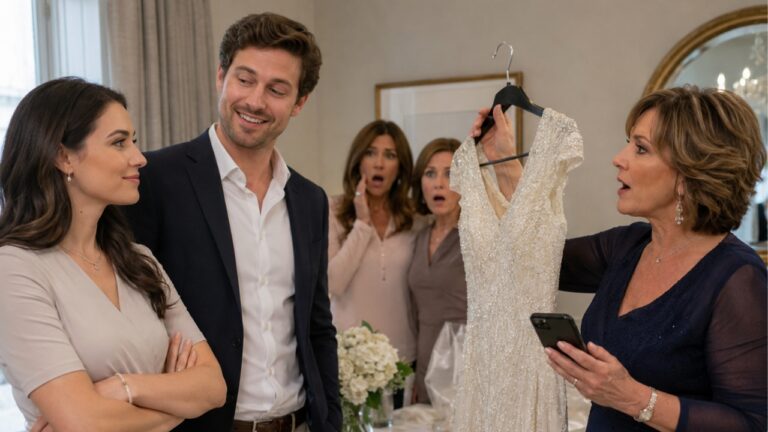
Photo credit: AI-generated image created using ChatGPT.
A wedding day has a funny way of revealing what’s been simmering in a family for years. You can plan the flowers, rehearse the timing, and pick the perfect song, but you can’t fully control the old pecking orders and silent expectations people bring through the doors.
In the original post, a 31-year-old bride described a situation that started with a seating chart and ended with a family fracture. Her mom’s long-term partner has a daughter around the bride’s age—technically not a step-sister, but close enough for family gatherings. The women aren’t close, but the bride tried to be considerate because the “step-sister” was pregnant and had just been left by her partner.
The bride seated her with people her age, including her own sister and cousin. Instead of a polite request to swap seats, the step-sister reacted with loud crying, yelling, and foot-stomping in front of guests. The bride, already overwhelmed and managing ADHD, told her sister that if the outburst didn’t stop, she wanted the step-sister to leave. The seating got changed to place the step-sister between her father and the bride’s mother, and another couple had to awkwardly squeeze in.
The seating chart wasn’t the real problem
A seating plan is logistics, not a moral statement. Most couples put people with similar ages, interests, and social comfort levels together so the night runs smoother. If someone has a special need—mobility issues, nursing a baby, a major conflict with another guest—you accommodate it, but you don’t usually treat table placement like a referendum on their worth.
What jumps off the page is that the bride’s choice wasn’t insulting on its face. Seating the step-sister with peers, including family, sounds reasonable. The reaction suggests something deeper: either the step-sister needed to be “centered” for emotional reasons, or she wanted the visible status of sitting with her dad and the bride’s mom.
When adults melt down over symbolism, it’s rarely about the symbol. It’s about control, fear, pride, or a habit of getting their way through drama. Pregnancy and heartbreak can explain fragility, but they don’t magically turn a public tantrum into acceptable behavior.
Public scenes are a form of pressure
A lot of men recognize this tactic because we’ve seen it at work, in friend groups, and sometimes in our own families. Make a scene, raise the emotional temperature, and force everyone else to scramble so the noise stops. The bride wasn’t just dealing with a hurt person; she was dealing with a problem that demanded immediate attention during the one day she didn’t have bandwidth for it.
She didn’t even confront the step-sister directly in the moment. She told her own sister, privately, that if the step-sister couldn’t calm down she wanted her to leave because she felt close to breaking down. That’s not cruelty; that’s triage. Weddings are already a pressure cooker, and adding a loud adult meltdown is like turning the stove up and walking away.
The hard truth is that public outbursts often “work” because decent people cave. They’d rather rearrange chairs than risk being seen as insensitive, especially when the person can claim pregnancy, grief, anxiety, or some other real hardship. Compassion gets weaponized, and the whole room learns who runs the show.
The father figure chose sides, and the mother followed
The bride’s mom’s partner got angry at the bride and argued she should understand because his daughter was pregnant and abandoned. Notice what’s missing: any concern about his daughter’s behavior, any call for her to step outside and breathe, any protection of the bride’s day. He advocated upward at the bride, not downward at his own child.
Then the mother came to the bride during the wedding and criticized her, saying she handled everything wrong and that the step-sister and her father were upset. That’s the moment that tends to lodge in a person’s chest for years. Not because moms are supposed to be perfect, but because a wedding is one of the rare days a grown child still quietly hopes their parent will show up and cover them.
The bride later added that her mom has apologized and does love her, but struggles to stand up for herself. That tracks with a familiar dynamic: one loud or controlling person sets the tone, and everyone else learns to manage them rather than confront them. The “peace” comes at the cost of somebody else swallowing pain.
Pregnancy explains vulnerability, not entitlement
Plenty of people go through brutal seasons—pregnancy alone, divorce, betrayal, depression—and still manage to behave with basic restraint in public. Hard circumstances deserve patience, but they don’t grant permission to hijack other people’s milestones. If anything, maturity shows up in the ability to say, “I’m struggling, and I need a minute,” without punishing everyone around you.
It’s also worth noting how the outburst got rewarded. The seating was changed so the step-sister sat where she wanted, and another couple had to squeeze in. Even if nobody intended it, the message was clear: escalate, and you get accommodated.
This is why some families seem stuck in the same fight forever. They keep paying off tantrums because the cost feels lower than the confrontation. Over time, the bill gets larger.
Pulling back help wasn’t about grass
After the wedding, the conflict didn’t resolve. Later, while the bride was in a clinic for ADHD and OCD treatment, she and her mom argued again. In frustration, she said her husband wouldn’t mow her mom’s partner’s lawn anymore when they went on vacation, a favor he’d done regularly.
On paper, that sounds petty—until you recognize what “help” often represents in strained families. It’s not just lawn care. It’s cooperation, loyalty, and a willingness to keep smoothing things over. When someone feels blamed, dismissed, or scapegoated, they stop volunteering their time and energy to the very people treating them like the problem.
Then the mom’s partner contacted the husband directly to ask him to do it anyway. The husband refused and said he didn’t want to tolerate or enable unhealthy patterns that reminded him of his childhood. That’s a man drawing a boundary with his own hands, not hiding behind his wife’s emotions. It’s also the kind of decision that tends to make controlling people furious, because it shuts down a channel they thought they owned.
Being “the helpful one” can become a trap
The bride admitted something a lot of responsible adults eventually realize: she spent years trying to keep everyone happy. She moved out young, had a good adult relationship with her mom, and focused on her mom finally getting “good things” after sacrifices in childhood. That’s admirable, but it can quietly turn into a role where you’re always the one who adapts.
Families like that often have an unspoken rule: the most reasonable person is expected to be endlessly reasonable. You’re the one who “understands.” You’re the one who “doesn’t take it personally.” You’re the one who helps out, makes it easy, and lowers your own needs so the loudest person doesn’t erupt.
Then one day you don’t do it—maybe you seat someone at a normal table, maybe you stop mowing the lawn—and suddenly you’re treated like you betrayed the family. That reaction doesn’t prove you did something wrong. It proves how dependent the system was on your compliance.
What a steady response looks like now
The most sobering detail is the aftermath: the couple wasn’t invited for Christmas and is treated as if they’re no longer part of the family. That’s an overreaction on its face, but it’s also a common punishment tool. If you won’t play your part, you lose access.
A steady response now doesn’t mean firing back with equal coldness. It means refusing to bargain with emotional blackmail while staying open to genuine repair. If the mother wants a relationship with her daughter, she can show it through consistent support, not private apologies paired with public capitulation.
And for the husband, it means standing with his wife without turning the situation into a crusade. Marriage is its own household, its own stewardship. If extended family wants the benefits of closeness—help, holidays, access—they need to treat the couple with basic respect.
Some conflicts don’t end with a neat resolution, especially when pride is involved. But there’s a difference between being compassionate and being managed. A wedding seating chart shouldn’t cost you your peace, and a lawn shouldn’t cost you your backbone.
Read more from Thrive Girly:
- Mother-in-Law Expected to Sleep Over After Every Visit — Then the Mom Said Overnight Stays Were No Longer an Option
- Relatives Showed Up to the Wedding Without Being Invited — Then the Couple Refused to Find Them Seats
- Grandma Buckled the Baby Into Her Car and Left Without Telling Anyone — Then the Mom Made Sure It Never Happened Again