Mother-in-Law Wanted To Wear White to the Wedding — Then the Bride’s Answer Surprised Everyone
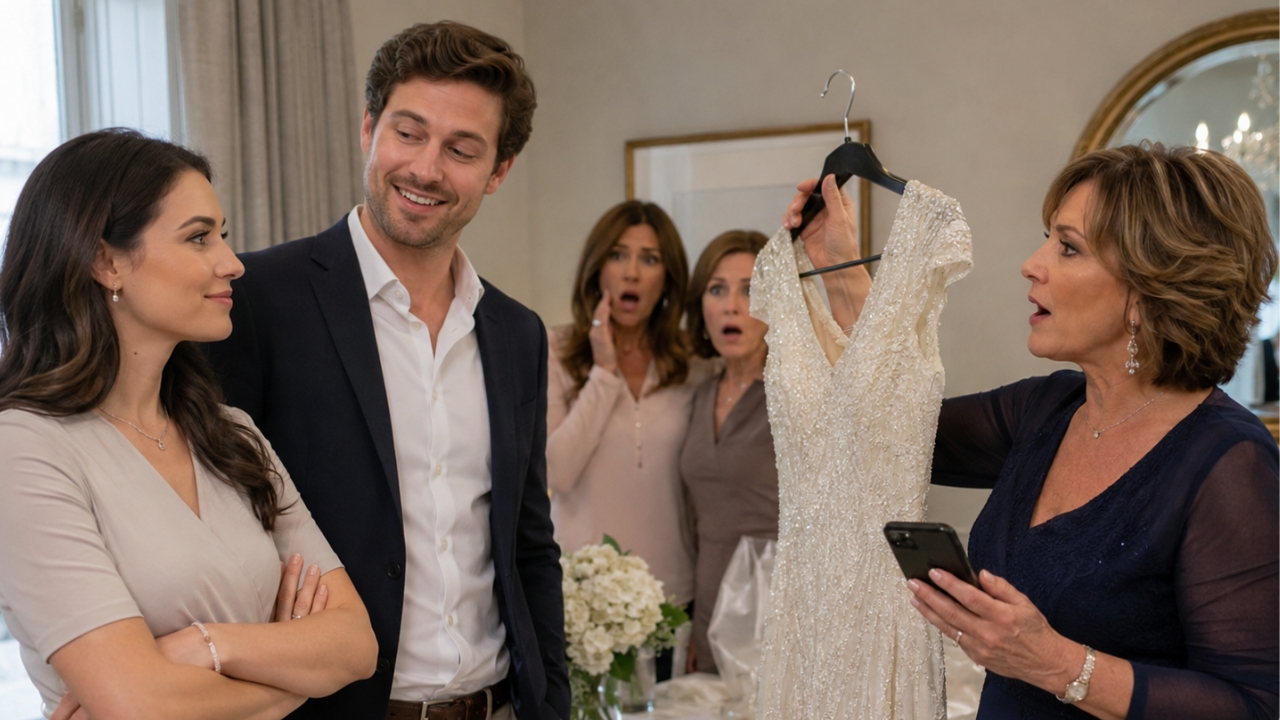
The first real fight of the wedding planning wasn’t about the guest list or the venue. It was about a dress.
A few weeks after the save-the-dates went out, the groom’s mother texted the bride a photo of a floor-length ivory gown she’d found online. She didn’t ask if it was okay so much as announced she’d be wearing it. The bride paused, reread it twice, and then answered in a way nobody in the family expected.
The dress request landed like a warning shot
The bride and groom had been keeping planning simple: a small ceremony, a rented hall, and a photographer friend they trusted. But the mother-in-law had opinions about nearly everything, from the seating chart to the vows. The white dress message felt like the clearest line-crossing yet.
When the bride didn’t respond immediately, the mother-in-law followed up with more photos—different angles, a close-up of the beading, then a second option in “champagne.” She framed it like she was being helpful and elegant, not provocative. The groom saw the thread and went quiet in that way that said he was already weighing whether pushing back was worth the blowup.
Family group chats started buzzing once the mother-in-law mentioned it to a sister and an aunt. The story quickly shifted from “a pretty dress” to “why is she trying to wear bridal colors.” The bride could already see where it was headed: a standoff, a divided family, and a wedding day spent managing someone else’s performance.
The bride’s answer didn’t start a fight—it changed the plan
Instead of arguing, the bride responded with a short message that sounded almost cheerful. She told her future mother-in-law she could absolutely wear white. Then she added one condition: if she wore white, she’d be treated like part of the bridal party and expected to match the bridal party rules.
That meant hair and makeup with the bridesmaids, arriving early for photos, and being positioned in formal portraits the same way the wedding party was. It also meant standing at the front during the ceremony—not in the first row, but with the group everyone would be looking at. The bride made it clear she was fine with it, but there would be no confusion about who was the bride in pictures, introductions, or the schedule.
The twist was the last line. The bride said she’d already told the photographer to flag any “match the bride” outfits so they could plan lighting and editing accordingly, including color correction that would make the bride’s dress stand out and anyone else’s white read more like off-white. It wasn’t a threat, exactly. It was a calm statement of control.
When the groom read it, he finally laughed—the kind of relieved laugh that said he’d been bracing for war. He forwarded the message to his mother with a simple note: they were going to stick to that plan.
Trying to “win” suddenly came with a price
The mother-in-law didn’t respond for nearly a day. Then she called her son and tried a different angle, saying she felt “singled out” and “policed.” She insisted she’d look washed out in darker colors and that white was “just flattering.” She also claimed she’d already told several relatives what she planned to wear, making it sound like backing down would embarrass her.
The bride didn’t get pulled into a phone fight. She kept everything to text and email after that, which wasn’t an accident. The couple had learned in earlier disputes that the mother-in-law could deny tone, change details, or claim she’d been misunderstood.
They also started documenting wedding-related communications more carefully. Vendor decisions and payments were shared in a spreadsheet. Any changes to the schedule were saved as PDFs and sent to key people. The bride even asked the venue coordinator to confirm, in writing, who was authorized to change the music list and who could access the getting-ready space.
It wasn’t paranoia so much as learning. The mother-in-law had once called a florist directly to “check on things” and ended up fishing for details about the couple’s budget. That kind of behavior didn’t have to be malicious to cause damage.
The escalation wasn’t just social—it became logistical
Once the mother-in-law realized she wasn’t going to get a dramatic argument, she shifted to pressure. She hinted to relatives that the bride was being controlling. She suggested the couple was trying to “humiliate” her with the bridal party condition. She also floated the idea that she might skip the wedding if she couldn’t dress how she wanted.
The groom didn’t let it sit. He set up a short meeting at a coffee shop with his mother and brought a printed timeline for the day. He explained that the bride wasn’t banning anything; she was just deciding how the event would run. If his mother chose white, she’d be included in the formal parts, and the couple would be transparent with guests about who was doing what.
Then he added a practical boundary: if she tried to disrupt the ceremony or the reception, she’d be asked to leave. The venue had security on-site for other events, and the couple had already discussed what to do if someone caused a scene. That wasn’t a bluff meant to scare her. It was a plan meant to protect a day they were paying for.
After that meeting, the mother-in-law stopped calling the bride directly. She started communicating through her son, which slowed the manipulation down. It also forced her to choose between the dress and her access to the spotlight.
Commenters focused on proof, boundaries, and the photo record
When the bride shared the story with friends and in a private wedding planning group, the reactions were less about etiquette and more about strategy. People pointed out that the bride’s response worked because it didn’t beg for permission or start a debate. It turned the attention-seeking move into a commitment with responsibilities.
Others emphasized the paper trail. Keeping everything in writing wasn’t petty; it was protection. If a vendor got a surprise phone call, the couple could forward an email and clarify who had authority. If family members tried to misrepresent what was said, screenshots ended the arguments quickly.
A few people also suggested getting ahead of the photo issue. They recommended telling the photographer exactly what shots mattered most and making sure the couple had private time away from family. Someone mentioned assigning a trusted friend as a point person so the bride and groom weren’t the ones confronting anyone in real time.
The common thread was the same: don’t let one person’s fixation create chaos you then have to manage in formalwear.
The wedding day came with a different kind of tension
In the end, the mother-in-law didn’t wear the ivory gown. She arrived in a pale blue dress that still photographed light, but it wasn’t bridal, and it didn’t invite the same reaction. She also showed up early—partly because she’d been told that’s how the day would run, and partly because she didn’t want to be caught off guard again.
The bride noticed something else, though. The mother-in-law seemed less interested in celebrating and more interested in watching for signs she was being managed. When the photographer asked her to step into a family photo, she complied, but her smile looked tight.
The ceremony went smoothly. Nobody had to be removed. The couple got through their vows without an interruption, and the reception stayed focused on dancing and toasts instead of drama. But the dynamic didn’t magically heal. The groom understood that his mother’s need to test boundaries wouldn’t end with the wedding.
By the time the last song played, the bride’s “surprising” answer had done what arguments never did: it made the rules clear and made any attempt to steal the moment look like a choice with consequences. The dress didn’t become the story. The marriage did.