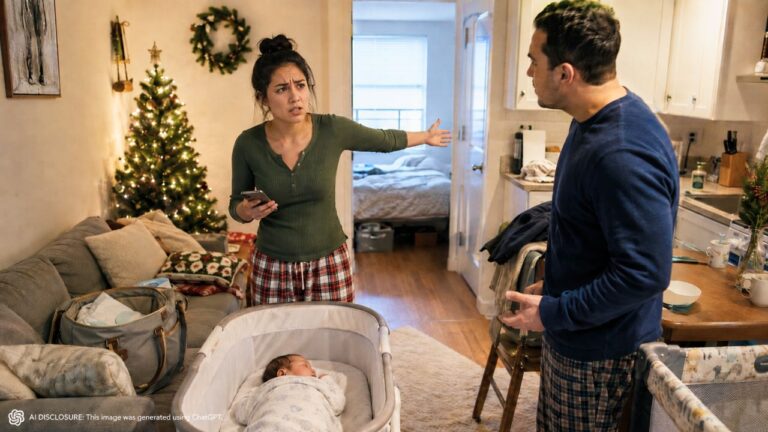
Her Siblings Expected Free Babysitting for Their Kids Again — Then She Refused to Do It a Second Time
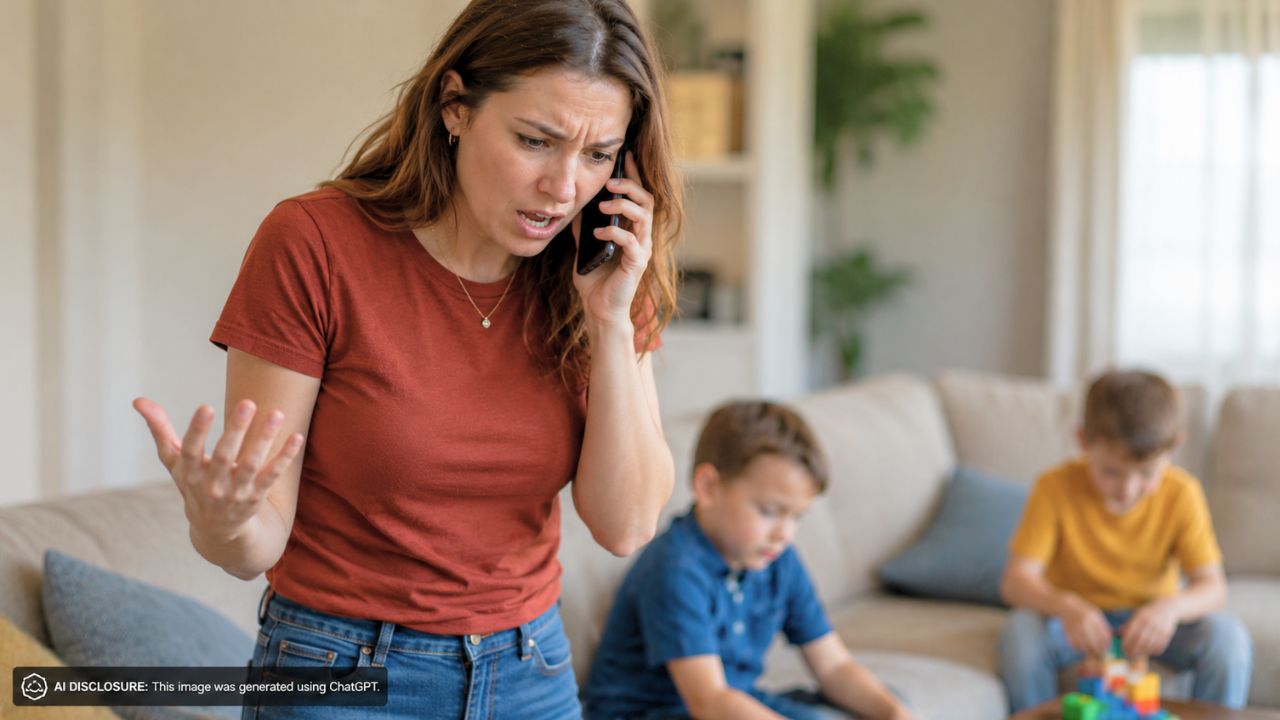
Photo credit: AI-generated image created using ChatGPT. Illustrative only.
There’s a special kind of exhaustion that comes from being the “reliable one” in a family that’s always in crisis. Not tired-from-work exhaustion, but the weary, bone-deep kind where your phone buzzing feels like a summons, and your free time isn’t yours anymore. A 29-year-old woman described living in that place for months, watching her sister’s two young boys 10–20 hours a week, trying to be helpful, and slowly realizing she’d become the default parent without ever agreeing to the job.
In the original discussion, she laid out a pattern that wasn’t just “can you help me out?” but a steady slide into entitlement: guilt-tripping voice messages, “revenge” messes left behind, no meals provided, and promises broken whenever she didn’t jump fast enough. Eventually she said what most of us rehearse in our heads but avoid saying out loud: either the reliance stops, or the free labor stops. Her sister didn’t take it as a boundary. She took it as betrayal.
Free help turns into a job when it’s expected
At the start, the arrangement sounded like something families do for each other. A single mom is trying to find work, handle classes, keep her head above water, and her sister steps in. But the hours crept up, and the asks stopped being occasional and started becoming routine. When you’re regularly giving up evenings, weekends, and whatever margin you had left, you’re not “helping” anymore. You’re staffing someone else’s life.
The woman also worked shifts and had a fiancé she barely saw, which matters because time is a stewardship issue. It’s not just about rest and leisure; it’s about tending your own responsibilities and your own home. A grown adult can’t pour endless time into someone else’s household and not have their own relationship and health pay for it. That bill always comes due.
Guilt is a tool, and some people use it like a hammer
The ugliest part wasn’t even the babysitting. It was the manipulation. When she couldn’t come, her sister would send voice messages of the boys crying and “missing” her, then pile on accusations about selfishness and abandonment. That’s not a heartfelt plea; that’s emotional leverage, and it’s cruel to the kids, too.
Then there were the payback tactics: arriving to a filthy house, no food in the fridge, bath night conveniently scheduled, extra errands “casually” assigned, and delayed returns if everything wasn’t done. It reads like punishment dressed up as parenting logistics. If someone only treats you well when you’re useful, they aren’t asking for help. They’re managing you.
The first time she said no, the mask came off
After the ultimatum, the sister didn’t cool down—she escalated. There were dozens of calls, a flood of messages, and a steady drumbeat of insults. The woman and her fiancé drafted basic ground rules: limited babysitting, limited hours, meals provided, no bedtime routines, and no spending her own money. Reasonable stuff, especially for someone child-free by choice who already gave far more than most would.
But the situation got stranger. A message arrived from an unknown number, claiming the sister’s friend’s mother was dying and now the friend had to “watch her mom die alone” because Carlene couldn’t come. The woman suspected it was her sister using an app to impersonate someone else. That detail matters because it’s one thing to be needy. It’s another to fabricate pressure and recruit fake voices to keep control.
When kids become pawns, adults have to get serious
The woman is a mandated reporter in her professional life, and she reached out to a supervisor for guidance. Together they made a report to child protective services. That wasn’t done lightly, and it wasn’t done because someone’s feelings got hurt. It was done because the pattern suggested neglect and retaliation were possible, and because the sister’s behavior showed she was willing to use her children as bargaining chips.
People love to say, “Don’t get the authorities involved,” as if keeping things private is a moral virtue. Sometimes privacy is just a cover for ongoing harm. If you’re watching a parent repeatedly leave no food, use their kids to manipulate, and spiral into unstable, aggressive behavior, you don’t fix that with pep talks. You document what you can, and you make the call you’d make if it weren’t your own blood.
She didn’t just want help; she wanted access
After the report, the messages didn’t stop. The woman eventually blocked her sister, and her fiancé checked messages for anything urgent. A week later, CPS asked for specifics—dates, proof, screenshots—and the woman provided them and attached her name to the report. She described it as feeling like punishment for herself, because now her sister would know exactly who called. That’s the cost of doing the right thing sometimes: you don’t just lose peace; you inherit someone else’s rage.
Then came the birthday confrontation. The sister showed up at her home when the fiancé wasn’t there, acted “normal” for a moment, then accused her of trying to steal the children and falsifying reports to get custody. When the woman said plainly she didn’t want kids and wouldn’t take them, her sister got more enraged. She tried to grab her, kicked the door, and left after the woman threatened to call the police. It’s hard to read that and not think: this wasn’t about babysitting. This was about control and access to a free safety net.
Love for kids doesn’t obligate you to become their parent
One of the most painful threads running through the updates is the woman’s grief over potentially losing her nephews. That’s what kept her compliant for so long. Many decent people stay in unhealthy arrangements because they’re not just serving an adult; they’re protecting a child they love. It’s a tender instinct, and it’s also how manipulators keep the “good one” in the trap.
Commenters raised the possibility that CPS could remove the boys and asked whether she and her fiancé would take them. They talked it through and said no. Not because they hate the kids, but because they don’t want children, they have health limitations, the fiancé uses a wheelchair, and their one-bedroom home wouldn’t even work safely. That’s a sober answer. Taking in children out of guilt, with resentment simmering and practical obstacles ignored, doesn’t save anyone; it just spreads the damage into another household.
What happened after the boundary: silence, investigation, and hard limits
A month later, the woman hadn’t seen the boys and didn’t know much about their situation because she wasn’t part of any placement plan. CPS remained in contact, and there were concerning details during the investigation—missed mandatory meetings, difficulty reaching the mother, and at least one instance where CPS arrived and realized the children had been left home alone for some stretch of time. The sister reportedly claimed she’d only been gone briefly, but CPS didn’t appear convinced.
By then, the woman had accepted she might not see her nephews again for years, hoping she could reconnect when they’re older and have their own phones. That’s a sad sentence, but it’s also an honest one. Sometimes you do what you can, you refuse what you can’t, and you leave the rest in God’s hands, asking Him to protect the ones you can’t keep close.
There’s a temptation, especially for the steady people, to believe endurance is the same thing as virtue. It’s not. Endurance is good when you’re carrying your own cross; it becomes a problem when you’re enabling someone else’s irresponsibility and calling it love. Boundaries aren’t revenge, and they aren’t cruelty. They’re a line that says, “I can love you, but I won’t be used, and I won’t help you harm your own kids by avoiding adulthood.”
Read more from Thrive Girly:
- Mother-in-Law Expected to Sleep Over After Every Visit — Then the Mom Said Overnight Stays Were No Longer an Option
- Relatives Showed Up to the Wedding Without Being Invited — Then the Couple Refused to Find Them Seats
- Grandma Buckled the Baby Into Her Car and Left Without Telling Anyone — Then the Mom Made Sure It Never Happened Again