Her Daughter Expected Free Childcare for Her Granddaughter Every Single Day — Then Grandma Finally Said No
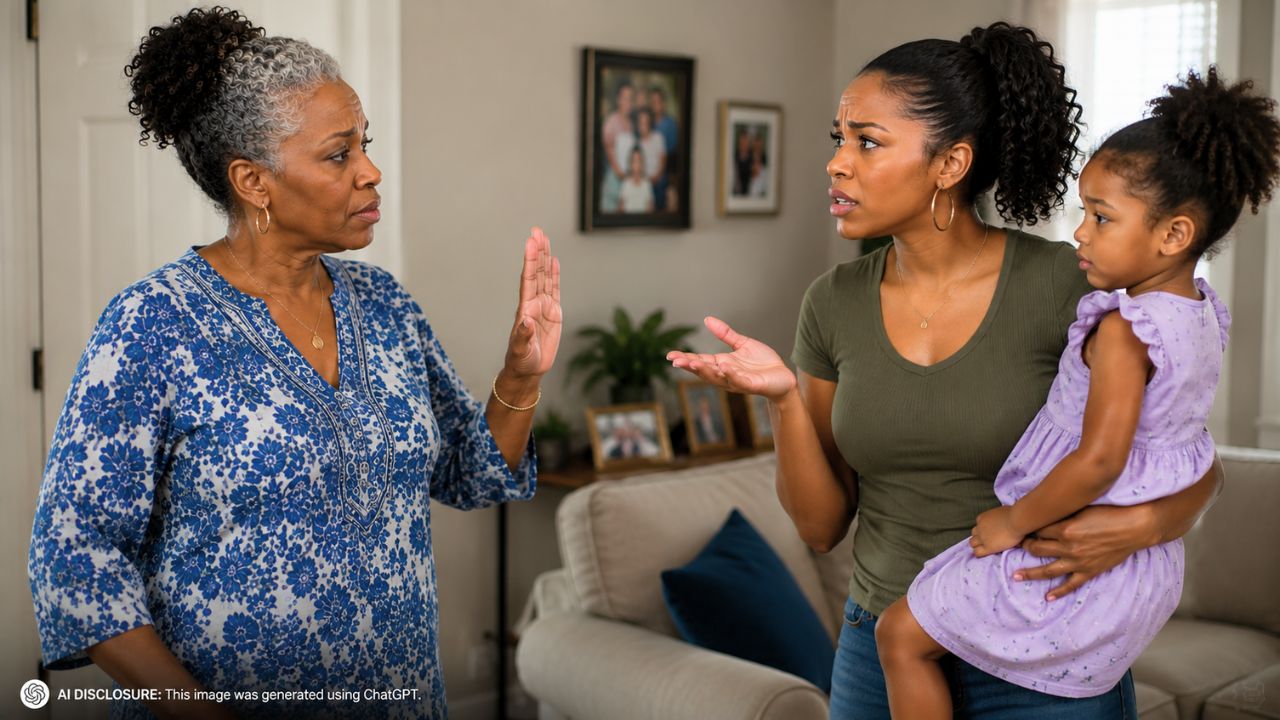
Photo credit: AI-generated image created using ChatGPT.
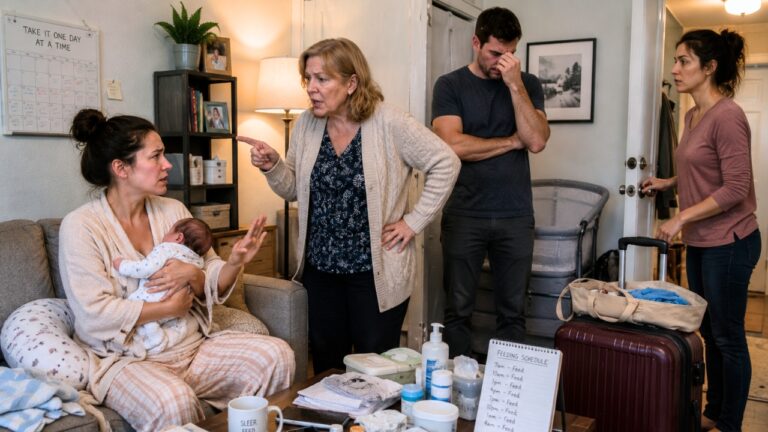
There’s a certain kind of family expectation that sneaks in quietly. It starts with, “Can you watch her for an hour while I shower?” and turns into an unspoken arrangement where your calendar no longer belongs to you. One older couple found themselves in that exact spot after their daughter had a baby and began treating Grandma and Grandpa like the default childcare plan.
In the original post, the grandmother explains that her daughter married young, chose to be a stay-at-home wife, and had a baby soon after. During the pregnancy, the daughter spent lots of time at her parents’ house, which felt normal enough. But once the baby arrived, “visiting” slowly became dropping the child off longer and longer—and getting angry when Grandma said she couldn’t do it.
The tipping point wasn’t just fatigue. It was the entitlement: weekend babysitting became assumed, their own plans got bumped, and the daughter acted like her parents were obligated to fill the gap because she “never leaves the house.” The grandparents love their granddaughter, but they’re older, tired, and dealing with real physical limits. At some point, love has to share space with honesty.
How “helping out” turns into being on call
Most families understand some version of grandparents helping. A date night here, an appointment there, maybe extra hands during a rough stretch. The problem is when “help” becomes “coverage,” and nobody actually sits down to name the terms.
In this case, Grandma says it started harmlessly: the daughter came over often, and watching the baby didn’t feel like a burden at first. Then the visits became longer drop-offs, and the daughter started getting upset when told no. That’s the moment it shifts from generosity to expectation, and expectation is what drains a relationship dry.
A young couple’s choices don’t become the grandparents’ assignment
The daughter made a series of adult decisions: getting married soon after high school, choosing not to work, and having a baby quickly. None of those choices are automatically wrong, but they come with responsibilities that belong to the couple who made them. Parenthood is hard, and that’s not news to anyone who’s done it.
What’s striking is the daughter’s argument: she should receive more empathy because she’s a mother and “never leaves the house.” Plenty of mothers rarely leave the house, and plenty of fathers work long hours, and both are still responsible to manage their own home. Sympathy is appropriate; outsourcing the burden to your parents as a standing arrangement is something else.
A man reading this should hear the subtext, too: where is the husband in all this besides “he works”? Work matters, but marriage isn’t a division where one person earns and the other collapses. If a couple needs regular breaks, that’s a conversation for the couple first—schedule, budget, priorities, discipline, and what kind of life they’re building.
The unglamorous factor: age, energy, and a crawling baby
There’s a world of difference between holding a newborn and chasing a more active baby who crawls and explores. The grandmother points out that her granddaughter is older now and more physically demanding. She also mentions her husband has a limp, and she herself struggles with bending over.
That isn’t an excuse; it’s a limitation. Older bodies don’t negotiate with guilt trips. If you love someone, you don’t hand them a job they physically struggle to do and then punish them for not smiling about it.
This part matters because people like to talk about “family helps family” as if it’s a moral trump card. Family does help family, but family also tells the truth. If the arrangement creates risk, exhaustion, or resentment, it needs to change before something breaks.
“But she’s your granddaughter”: the guilt line that doesn’t hold up
The daughter reportedly said it was “horrible” for Grandma to want to charge to watch her own granddaughter. That sentence is designed to end the conversation. It frames Grandma as selfish so the daughter doesn’t have to face the real issue: she’s been treating her parents like an unpaid service.
Grandparents don’t owe free daily childcare by default. They can choose to give it, and that can be a beautiful gift. But a gift that’s demanded stops being a gift, and a relationship that’s leveraged for convenience starts to rot.
There’s also a quiet disrespect in the way the grandmother describes the visits: her daughter doesn’t come for dinner, doesn’t come to see her, just drops off the baby. That’s not family time; that’s using family ties to avoid paying the full cost—financial and personal—of the life you chose.
Money isn’t the main issue, but it reveals the issue
The grandmother mentions the daughter hired a babysitter a few weeks ago, and Grandma finally said, in effect, “Pay us like you pay the babysitter.” That wasn’t a greedy cash grab. It was a line in the sand meant to expose what’s been happening.
People pay for what they respect. If the daughter can pay a sitter but reacts with outrage at paying her parents, it suggests she views her parents’ time as automatically available. She may also be assuming that “family” means she never has to feel the weight of what she’s asking.
Charging family is complicated, and it can get awkward fast. Sometimes it’s better to say, “We can do one evening a month,” rather than turning Grandma into a vendor. But the instinct behind Grandma’s comment makes sense: she wanted her daughter to recognize this isn’t a small favor anymore.
Grandparents aren’t retirement-plan employees
The grandmother and her husband had plans for this season of life: time together, dates, even a vacation they delayed because of the childcare expectation. That detail is easy to skim past, but it’s the whole point. A marriage needs tending in every season, including the later years when the kids are grown and the house gets quieter.
It’s also worth noticing that they have other grandchildren and haven’t had this problem with their other children. That doesn’t automatically make the daughter a villain, but it does suggest something is off in her understanding of boundaries and responsibility. Some adult kids assume the family system exists to cushion every hard moment they face, and that assumption needs correcting early.
From a faith-shaped view of family, honor flows both directions. Parents should be generous, and adult children should be grateful and respectful, especially with time and energy. If you want your parents’ help, you ask. You don’t assign.
A better path: clear limits, steady words, and a real plan
The way out of this isn’t a blow-up; it’s clarity. Grandma and Grandpa can decide what they can reasonably do—maybe a set afternoon, maybe one weekend evening a month, maybe only in true emergencies—and then say it plainly. “We love her, but we can’t do regular childcare. Our bodies can’t handle it, and we need our own time too.”
The daughter and her husband need an actual plan that doesn’t depend on guilt. If the daughter needs breaks, that’s understandable. But the solutions are practical: schedule the paid sitter, budget for it, coordinate with the husband’s days off, build friendships that include shared childcare swaps, or simplify the lifestyle so they don’t need constant escape to stay afloat.
Most of all, the daughter needs to start treating her parents like people again, not a drop-off location. Bring dinner. Sit at the table. Ask how they’re doing. Let the relationship be a relationship, not a transaction disguised as family closeness.
There’s nothing wrong with grandparents loving their granddaughter deeply and still refusing to be used. Saying no doesn’t mean love is missing; it means love is finally paired with backbone. If the young couple wants the joy of raising their child, they can’t outsource the hard parts to older parents and then act offended when reality shows up.
Read more from Thrive Girly:
- Mother-in-Law Expected to Sleep Over After Every Visit — Then the Mom Said Overnight Stays Were No Longer an Option
- Relatives Showed Up to the Wedding Without Being Invited — Then the Couple Refused to Find Them Seats
- Grandma Buckled the Baby Into Her Car and Left Without Telling Anyone — Then the Mom Made Sure It Never Happened Again