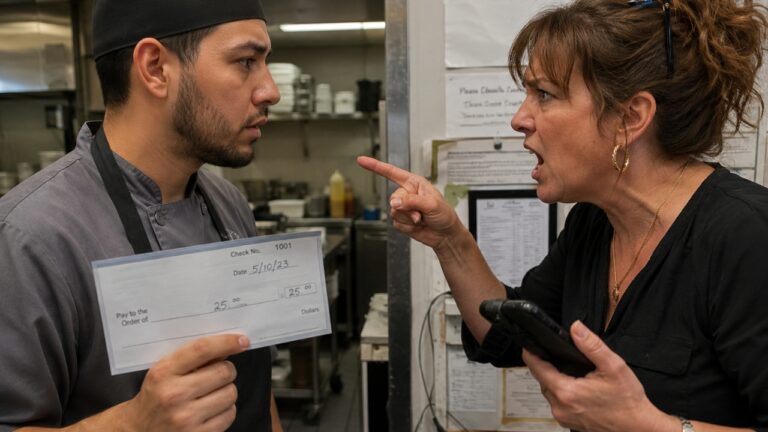
Her Best Friend Expected Free Babysitting So Her Man Could Watch a Game — Then She Said No
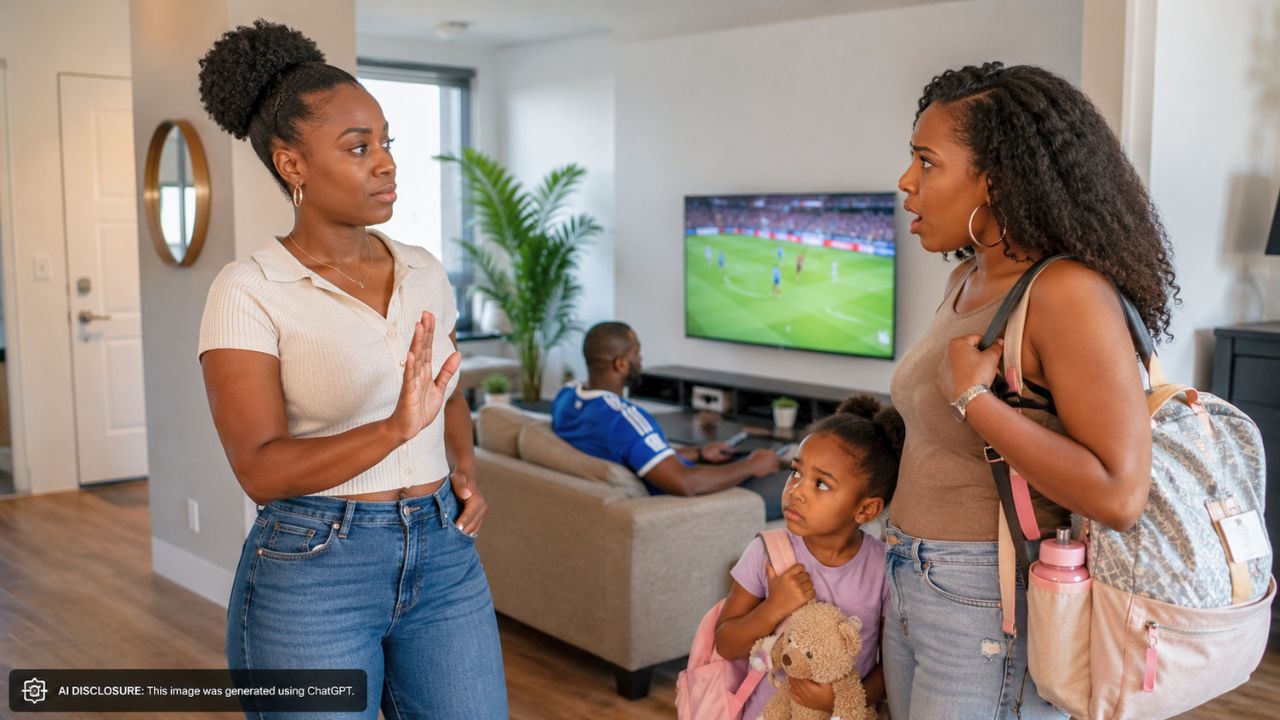
Photo credit: AI-generated image created using ChatGPT. Illustrative only.
She thought she was doing her best friend a solid: swing by after work, hang with the kids, and let mom get a little breather during World Cup season. But right when she started timing traffic and planning her evening around it, one detail changed—and suddenly the “help me out” favor started feeling like she was being used.
In the original post, a woman in her late 20s explained that she and her best friend are close, and babysitting has been a regular part of how she shows up for her. She doesn’t mind pitching in, especially because her friend is an “overstimulated mom” who needs time to herself. What she does mind is the pattern that comes with it—one that finally blew up over a soccer game and a last-minute plan at a bar.
The problem started before the big blowup
This wasn’t a one-time misunderstanding. She said she’s often left waiting until the last minute to find out whether her best friend’s partner is working, which affects whether she’s actually needed.
And when she does commit, the end time is shaky. She described being told they’ll be home at a certain hour, only to get excuses later, or a quick update that they decided to go somewhere else first and will be later than promised.
She admitted she’d tried to keep her complaints light. She loves her friend, and she knows her friend is sensitive about “family” and the whole “it takes a village” mindset. So she swallowed a lot of annoyance because she didn’t want to come off cold or unsupportive.
A childcare plan got made… with a big assumption baked in
On the day everything popped off, her best friend had car trouble in the morning. Around noon, she checked in, assuming the day’s plans might be affected.
But her friend said she was still going to her nail appointment and needed to leave home by 5:30 p.m. The poster had a slow day at the office and figured she could make it work. She planned to pick up her dog, drive about 20 minutes to her friend’s place, and babysit while watching the Mexico vs. South Korea game.
In her mind, this favor made sense under one condition: the partner would be at work. That was the whole reason she felt needed—so mom could have her appointment without scrambling, and the kids wouldn’t be stuck in the middle.
Then she checked the one thing that always seems to change
Because she already knew how this routine tends to go, she decided to confirm whether the partner had actually left for work. Traffic was getting bad in the Bay Area, she said, and she didn’t want to waste time driving back and forth if the plan had shifted.
Her friend didn’t reply to the text, so she called. That’s when she got the update: his job had been canceled. He works road construction, and apparently his work for the day fell through.
But he wasn’t staying home. According to her friend, he was planning to go to a nearby bar to watch the Mexico game.
“I’m not a replacement dad” came out, and it got tense fast
That was the moment she stopped being polite about it. She told her best friend she wasn’t trying to be rude, but she wasn’t going to babysit “when I didn’t need to.” She also told her she wasn’t a “replacement dad,” and pointed out that she wanted to see the game too.
Her reasoning was pretty specific: she agreed to babysit because the partner might be working and because her best friend—who she described as overwhelmed—needed a few hours to herself. She didn’t agree to babysit so he could go hang out at a bar.
Her friend got short with her immediately. The poster could tell she was upset, and the mood shifted from a casual favor to a personal insult in about two seconds.
Then her friend texted her not to come. The poster said she didn’t see the text right away, so she called again, trying to clarify whether he’d already made plans with other people or if he could just stay home with the kids. She even tried to compromise—if he had plans and people were waiting on him, fine, let him go. But if he hadn’t actually committed to anything, why was she being pulled in?
Her friend didn’t want to hear it. She stayed short, said the poster didn’t need to come, and said he would stay home.
What hurt wasn’t just the bar—it was what it implied
On paper, it might sound like a simple schedule change. In real life, it landed like a statement: her time was flexible, but his plans were sacred.
The poster said the night ended with her best friend making her feel guilty for saying things like, “He can watch the game at home. I have two jobs. If he’s not working, I don’t see the need for me to drive back and forth.”
She also repeated the line that clearly hit hardest: “I am not babysitting so he can go to a bar. I am here for you. Not for him. No offense but I am not a replacement dad.”
That wasn’t a gentle way to put it. She knew that. But it also sounded like something that’s been sitting on her chest for a while.
Afterward, she felt awful anyway. She wrote that she felt like an “asshole” because she knows how sensitive her best friend is about the whole village mentality and having each other’s backs. She didn’t want to “let her down,” even though she truly believed she was being treated like the default childcare option.
The friendship is still there, but the favor dynamic has changed
She made it clear she loves her friend. She’s not anti-babysitting, and she’s not acting like helping with kids is beneath her. She’s done it before willingly, even moving her schedule around to give her friend a break.
What she couldn’t get past this time was the idea that the partner’s World Cup plan at a bar was enough reason to summon her across town—after work, during traffic, when she also wanted to watch the match.
And underneath that was the bigger pattern she’d been biting her tongue about: the late notice, the shifting stories, the way she’s expected to wait around while they decide what they’re doing.
By the end of the night, the childcare need was technically handled—he stayed home—but the emotional mess didn’t disappear. Now she’s left sitting with that sick feeling of, “Did I just damage my closest friendship?” while also thinking, “Why did it take me this long to say something?”
It’s the kind of moment that changes how you show up going forward. Because once you’ve said out loud that you won’t be treated like the automatic backup parent, it’s hard to go back to smiling through last-minute texts and mysteriously late return times.
Read more from Thrive Girly:
- Mother-in-Law Expected to Sleep Over After Every Visit — Then the Mom Said Overnight Stays Were No Longer an Option
- Relatives Showed Up to the Wedding Without Being Invited — Then the Couple Refused to Find Them Seats
- Grandma Buckled the Baby Into Her Car and Left Without Telling Anyone — Then the Mom Made Sure It Never Happened Again