Neighbors Landlocked Their Own Property — Then Tried to Force Access Through Someone Else’s Private Road
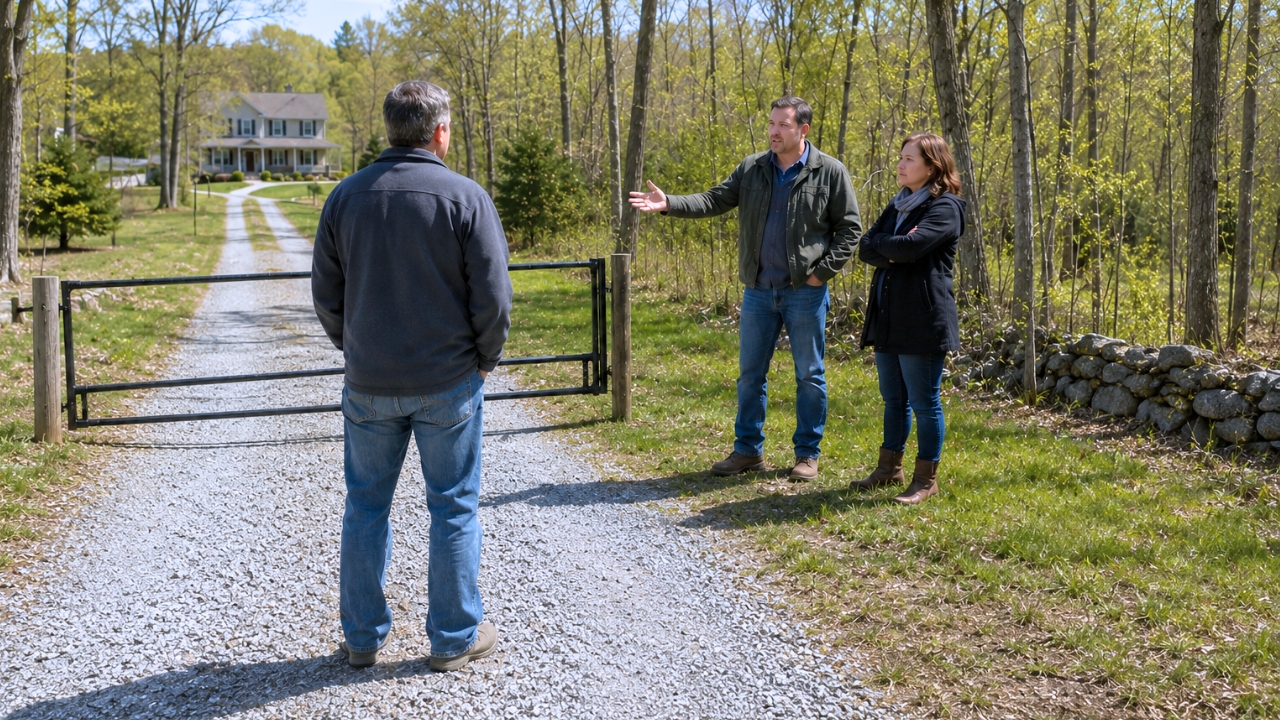
Photo credit: Thrivegirly
A property owner said the whole mess started after the neighbors made a decision that seemed to ignore one very obvious problem: access.
The neighbors owned a larger piece of land and decided to sell part of it. After the sale, they still owned a separate section behind the newly sold area. But once the front piece was gone, the back section no longer had a clear way to reach the public road.
In other words, they had created a landlocked property.
That alone would have been a big problem, but instead of solving it before the sale or reserving an easement through the land they sold, the neighbors turned their attention to someone else’s private road.
The poster and their family owned a private road nearby. The neighbors wanted to use that road and then build a gravel connection from it onto the remaining piece of land they still owned. To them, it seemed like a reasonable solution. They needed access, and the private road was close enough to make that possible.
The poster did not see it that way.
The road was private. It belonged to them. They had not created the neighbors’ access problem, and they did not think they should be forced to solve it. The neighbors had split up their own land and sold the part that apparently gave the back section road access. Now they wanted someone else to absorb the inconvenience.
According to the Reddit post, the neighbors argued that refusing them access infringed on their property ownership rights. They also threatened to sue if the poster would not let them use the private road.
That threat changed the tone fast.
Before that, this might have been a frustrating neighbor request. Once the word “sue” entered the conversation, the poster had to treat it like a legal issue. They asked whether a judge could force them to allow access through their private road and whether they needed to get a lawyer.
Commenters quickly pointed out that this was not something to handle with casual driveway arguments. Easements, access rights, landlocked parcels, and private roads can get legally complicated. The neighbors may have had options, but that did not automatically mean they could pick the easiest road and demand someone else open it.
A major question was whether the neighbors had created the landlocked condition themselves. If they sold the accessible part of their land without preserving a legal easement for the back portion, that could weaken their sympathy in the situation. They were not innocent buyers who discovered a hidden access problem after the fact. They appeared to have caused it through their own sale.
Still, commenters warned the poster not to assume that common sense alone would protect them. Property law can be weird, and local rules matter. If the neighbors sued, the poster would need legal advice from someone familiar with land use, easements, and private road rights in their area.
The practical advice was clear: stop arguing directly, stop making informal promises, gather every property document, and speak to a real estate attorney.
That included deeds, surveys, road maintenance agreements, maps, prior easements, sale records, and anything showing how the private road was owned and used. If the road had always been private and the neighbors had no recorded right to use it, the poster needed that documented clearly.
The neighbors’ argument also raised a bigger fairness question. Owning land does not automatically entitle someone to use someone else’s land for access, especially when the access problem may have been created by the landowner’s own choices. Property rights go both ways. The neighbors had rights to their parcel, but the poster had rights to the private road.
By the end, the poster seemed to understand this was not a disagreement to settle with a handshake. If the neighbors wanted access, they could negotiate, buy an easement, pursue whatever legal remedy applied, or look back at the sale that created the problem. What they could not fairly do was act as if the private road had become theirs simply because they now needed it.
The awkward part was that everyone still had to live near each other. But once the neighbors threatened legal action, the relationship had already shifted. This was no longer “can we work something out?” It was “give us access or we may sue.”
At that point, the smartest move was to let a lawyer answer the question before a private road became a permanent neighborhood battleground.
Commenters largely sided with the poster, especially because the neighbors appeared to have created the landlocked problem themselves. Many said it was not the poster’s responsibility to fix poor planning from a nearby land sale.
A lot of readers warned the poster not to let the neighbors use the road “just this once” or build anything without a formal agreement. Even informal use can sometimes create future disputes, and nobody wanted the poster accidentally giving the neighbors ammunition for an easement claim.
Several commenters said the neighbors’ threat to sue was exactly why the poster needed a property attorney. Easement law can be location-specific, and a lawyer could review the deeds, surveys, and sale history before the neighbors tried to frame the private road as their only solution.
The strongest reaction was that property rights do not work only one direction. The neighbors may have wanted to use their remaining land, but that did not mean they could force access through someone else’s private road because they failed to reserve access when they sold the front parcel.