New Parents Say Grandparents Posted Newborn Photos Online After They Were Told Not To
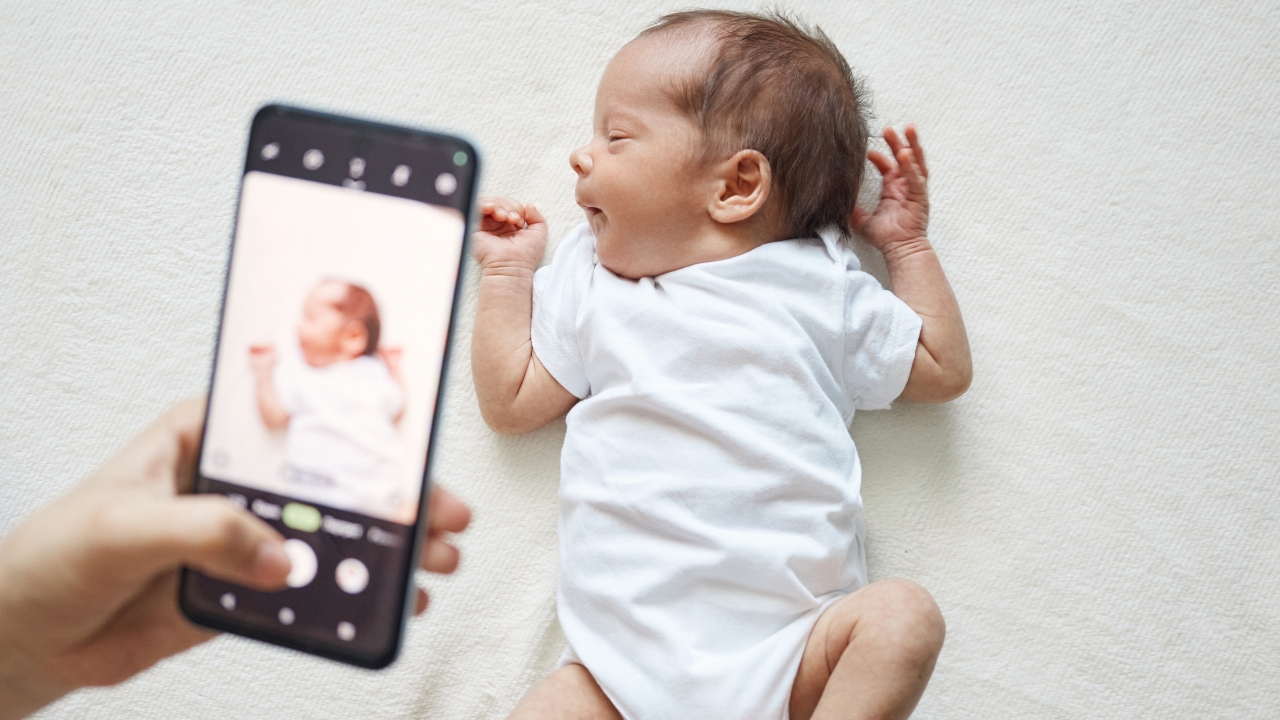
A new father said he and his wife were thrown into an unexpected family fight after his parents posted photos of their newborn son online without asking first, then reacted badly when the couple asked for a simple boundary going forward.
The father, 34, said he and his wife, 33, had recently welcomed a baby boy. Their son was only a few weeks old when his parents came over for a weekend visit. According to the father, the visit itself went well. His parents spent time with the baby, held him, and took pictures with him.
The problem came the next morning.
One of his parents posted photos on Instagram showing themselves with the newborn. The father said the photos themselves were fine. He and his wife did not have a strict rule banning all pictures of their child from social media. In fact, his wife had recently posted pictures of the baby herself.
But to the couple, that did not mean anyone else could post their son without asking.
The father said he and his wife felt that only the parents should decide what pictures of their baby go online, or at the very least, relatives should get permission before posting. So they told his parents that going forward, if they wanted to share photos of the baby on social media, they needed to run it by them first.
That request did not go smoothly.
The father described his parents’ response as a “victim-playing diatribe” and said it added unnecessary drama to their lives at a time when they were already adjusting to life with a newborn. He said he was not trying to ruin anyone’s joy or make things hard for the sake of it. He simply wanted control over his son’s digital footprint.
He shared the situation in a Reddit post titled “AITA – Grandparents Posting Pictures of Our Son on Social Media,” asking whether he and his wife were being unreasonable: https://www.reddit.com/r/AmItheAsshole/comments/1o3zvt1/aita_grandparents_posting_pictures_of_our_son_on/
The father later clarified that he and his wife understood they had not made the rule clear ahead of time. They had assumed his parents would know not to post photos of someone else’s baby without permission, but he acknowledged there were generational differences and that his parents were not mind readers.
Still, he said they were not asking his parents to delete the pictures that had already been posted. The issue was what happened next. They wanted the grandparents to ask before posting future photos, and the negative reaction made him wonder whether the request itself was unreasonable.
That question is where the conflict became more complicated.
On one hand, the father admitted they did not have a blanket “no social media” rule. They were not saying the baby could never appear online. They were saying the parents should approve the pictures first. To some people, that felt inconsistent. If the photos were fine and the baby was already on social media, why did every grandparent post need approval?
But the father saw it differently. He argued that the issue was not only the photos. It was the principle of parental control. Once a photo of a child is online, the parents cannot fully control where it goes, who sees it, or how it is shared. To him, that decision belonged to him and his wife, not to excited grandparents.
He also worried that ignoring this boundary could point to bigger problems later. If grandparents felt free to make social media decisions for the baby, what other parenting choices might they override?
As the discussion continued, the father seemed to wrestle with the practicality of the rule. At one point, he said he was starting to reconsider whether requiring express permission before every post was sustainable. Later, he said he and his wife might let the grandparents post what they wanted because they trusted their judgment, then ask them to delete anything they were uncomfortable with.
Still, his frustration remained. He said his parents had forced them to make a decision about social media at a time when all he wanted to worry about was whether the baby was eating, sleeping, and pooping enough.
That detail gave the story a familiar new-parent edge. This was not a couple months into a calm routine, making polished decisions about family media policies. These were brand-new parents trying to figure out their baby, their household, and their boundaries all at once.
The Instagram post became the spark, but the real issue was control. The grandparents saw a sweet newborn photo they wanted to share. The parents saw an assumption being made about their child before anyone asked them.
Commenters were split, which made the discussion more layered than a simple grandparents-versus-parents fight.
Some said the father and his wife were right to expect relatives to ask before posting pictures of their baby. Several argued that people should not assume they can put someone else’s child online, even if they are grandparents. They said the internet is not the same as showing a printed photo to a friend, and privacy settings, public accounts, location data, and resharing all matter.
Others thought the father was being too rigid because the couple did not actually have a no-social-media policy. They said if the parents were fine with baby photos online, requiring grandparents to get approval for each post could become exhausting and hard to enforce.
A few commenters said the better approach would be a clearer rule instead of case-by-case approval. For example, the parents could say no bath photos, no medical details, no location tags, no public accounts, and no posting before the parents share news themselves.
Some also pointed out that the grandparents had not been told the rule before the first post. From that angle, the original mistake was more of a communication gap than an intentional violation. But many agreed that the grandparents’ reaction to the future boundary was the bigger problem.
The strongest support for the father came from commenters who said the request itself was not outrageous. Asking first takes a few seconds, they argued, and new parents are allowed to decide how public their baby’s life will be.
Others told him to pick his battles. They said newborn life is hard enough without turning every Instagram post into a committee decision, especially if the grandparents are otherwise loving and trustworthy.
By the end of the thread, the father seemed to be rethinking the exact rule, but not the underlying concern. The couple wanted respect as parents. The grandparents wanted to share their joy. And somewhere between those two things was the uncomfortable reality of raising a child in a world where one family photo can leave the living room and land online forever.