Neighbor Threatened to Call Police Over Garden Flowers — Then Officers Told Her Exactly Whose Yard It Was
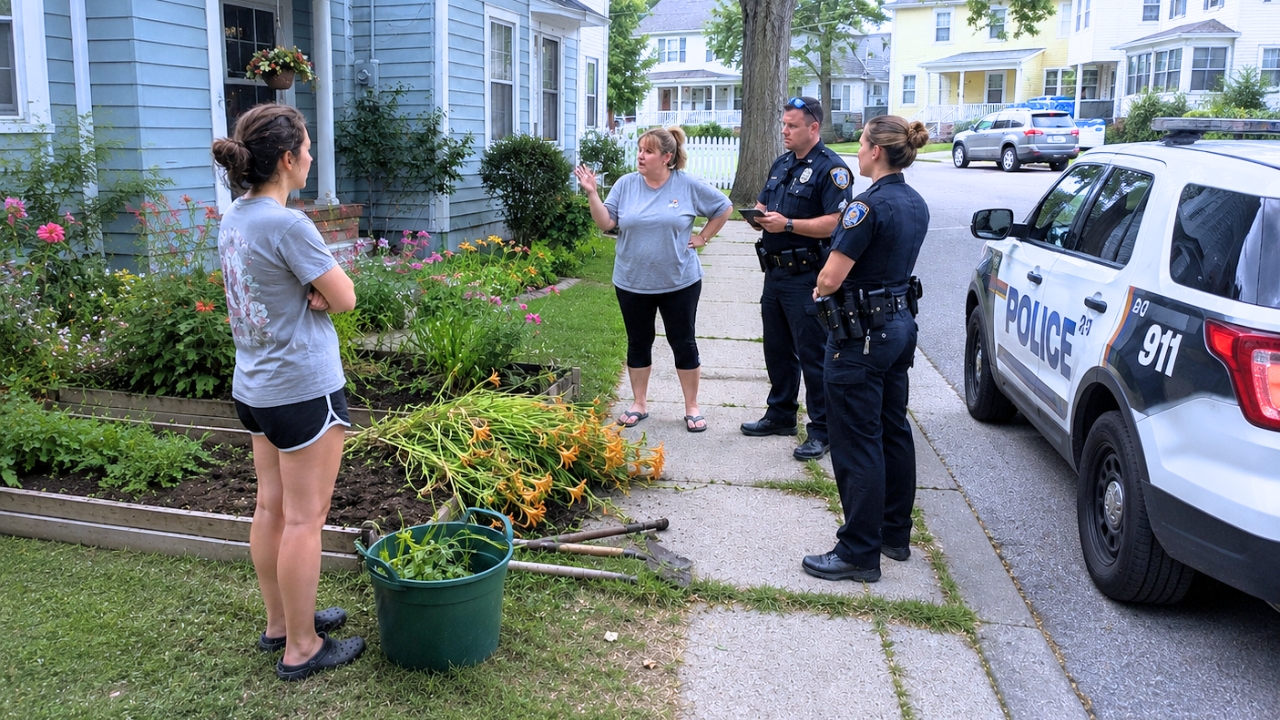
Photo credit: Thrivegirly
A homeowner who wanted to plant vegetables in her own garden said she did not expect a simple yard project to turn into a police call.
She had a patch of lilies growing in her garden, but she wanted to make room for food instead. Tomatoes, cucumbers, carrots — the usual practical backyard mix. So she started digging up the lilies to clear the space. It was her garden, her plants, and her plan.
Then her neighbor saw what she was doing.
The neighbor was furious. She claimed the lilies were hers and said the homeowner had no right to remove them. The homeowner pushed back immediately. The flowers were in her own garden, on her own property. She was not reaching over a fence or digging up someone else’s landscaping. She was making changes to the yard she lived with and maintained.
The neighbor did not accept that answer.
Instead of dropping it or asking for clarification, she called police. According to the Reddit post, she accused the homeowner of destroying her property because the lilies had been removed.
The police arrived, which made an already ridiculous garden dispute feel even more absurd. The homeowner had to explain that the flowers were in her own yard and that she had removed them to make space for vegetables. The neighbor insisted the lilies belonged to her, but there did not appear to be anything supporting that claim.
The officers sided with the homeowner.
They told the neighbor, in effect, to go back inside and stop making the issue into something it was not. The homeowner had not stolen flowers from a neighbor’s yard. She had worked in her own garden.
That should have been the end of it. But neighbor disputes like this rarely feel over after the police drive away. Once someone calls police over flowers in your own yard, the relationship changes. You start wondering what else they think they can control. You start thinking twice before doing normal outdoor projects because you do not know if another complaint is coming.
The homeowner seemed more annoyed than afraid, but the situation still said a lot about the neighbor’s attitude. She did not just dislike the garden change. She acted as if she had authority over it. The lilies mattered to her, so she treated that feeling like ownership.
That is where the story became less about flowers and more about control.
Gardens are personal. People plant what they like, pull what they do not, and change things as their needs shift. One person might love lilies. Another might rather have tomatoes. A neighbor can have an opinion, but an opinion does not become a property right just because it is loud enough.
After the police response, the homeowner continued with her garden plans. The lilies were out, the vegetable space was coming together, and the neighbor’s attempt to make the project illegal had gone nowhere.
Still, the whole thing left behind the kind of tension that can make living next door to someone exhausting. The neighbor had shown that she was willing to escalate quickly and dramatically over something that did not belong to her. That meant future yard work, planting, pruning, or property changes could bring more complaints.
But this time, at least, the homeowner had a clear answer. The garden was hers. The flowers were hers to remove. And police were not interested in treating vegetable planting like a crime.
Commenters mostly saw the neighbor’s reaction as wildly out of proportion. Many said that if the flowers were on the homeowner’s property, the neighbor had no standing to demand they stay.
A lot of readers focused on how quickly the neighbor escalated. Calling police over someone gardening in their own yard made her look unreasonable, especially once officers confirmed the homeowner had not done anything wrong.
Several commenters also encouraged the homeowner to document property lines and future interactions, because a neighbor who calls police over lilies might not stop at one complaint.
The strongest reaction was that the neighbor confused attachment with ownership. She may have liked looking at the lilies, but liking something from next door does not mean you get to decide whether it stays.