Woman Says Her Coworker Watched Her Through the Showroom Window — Then She Finally Sent HR the Full Pattern
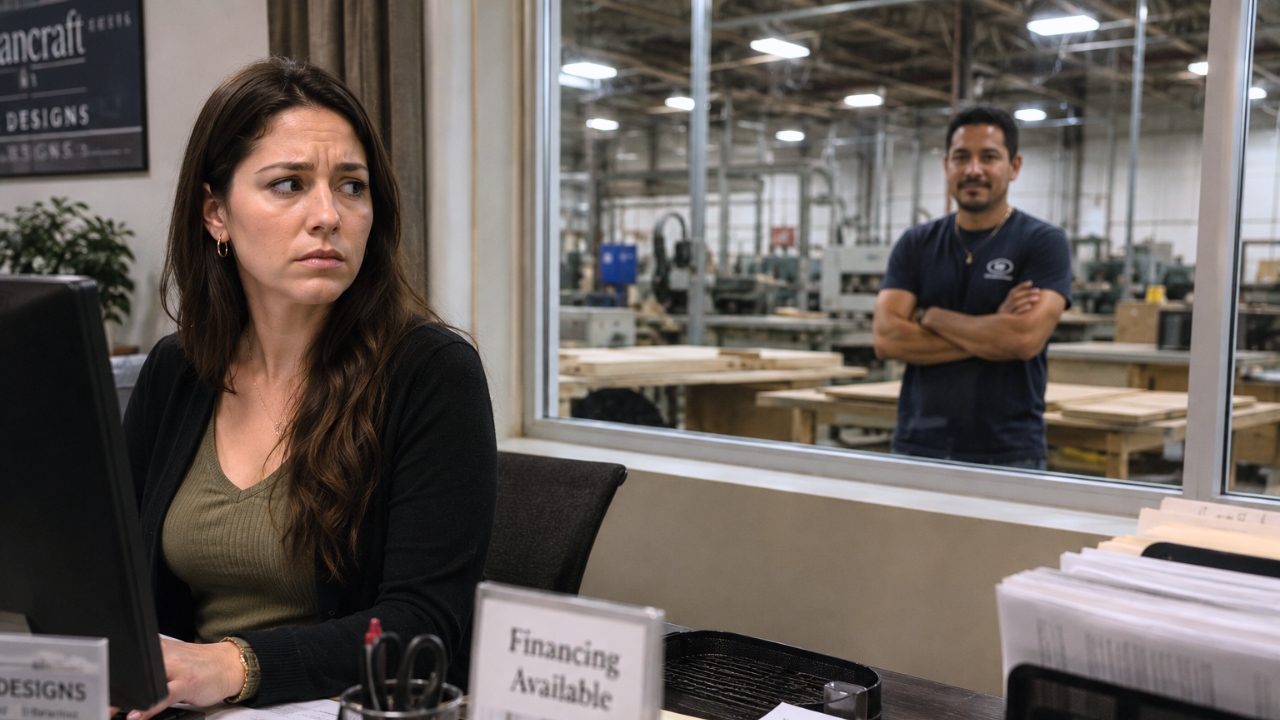
Photo credit: Thrivegirly
A woman says she spent two years trying to manage a coworker’s uncomfortable attention on her own. She kept conversations short, stayed polite, and told herself the behavior was not extreme enough to make a formal issue out of it.
Then she finally wrote the email to HR.
She explained in a Reddit post that the coworker works in the factory area while she appears to work in or near the retail showroom. Their jobs do not require daily interaction, which made his repeated attempts to get her attention feel even more unnecessary.
In the email she sent to HR, she said she had been going back and forth about whether to bring it up. She wanted the behavior documented in case it escalated, but she also tried to be careful with her wording. She even said she understood it might not be “extreme” and could involve cultural misunderstandings, but that it still made her uncomfortable and more stressed at work.
The examples she listed were specific.
Whenever she walked through the factory, she said he would stop what he was doing and watch her until she was gone. If he waved and she acknowledged him quickly, he did not simply go back to work. He kept watching.
If he saw her in the retail showroom through the window, or while walking by, he would knock on the glass or come into the store to wave or start a conversation, even if she was working with customers.
That detail seemed to bother her because it crossed into her actual work. This was not a passing wave in a hallway. It was interrupting her while she was doing her job in front of customers.
She also said that if she tried to keep interactions brief or turn away to focus on work, he would often stand and stare after her.
That is the kind of behavior that can wear someone down over time. None of it sounds huge in isolation. A wave. A look. A short conversation. A knock on glass. But when it happens repeatedly, especially from someone you are not trying to be close with, it starts changing how you move through the workplace.
She also said he sometimes tried to stop her in the factory to chat. If she kept moving, he would pout and make comments like, “Ah, you’re always so busy!”
That kind of comment can seem harmless, but in context, it put pressure on her to stop and reassure him. It made her normal workday feel like something she had to justify.
There were other moments too.
Early on, he asked her for a hug. She said no.
He once made a comment along the lines of, “I come home with you?”
Outside the building, he positioned himself in a way that made her have to maneuver around him on the sidewalk.
And she noticed what she described as lingering faces or expressions directed at her, especially when she was wearing a dress.
The dress detail seemed important because it suggested his attention changed depending on how she looked. She did not say he made a direct comment about her body, but she clearly felt the difference in how he stared or reacted.
For two years, she had handled it by keeping interactions polite but short. She said she could tolerate occasional contact and felt confident keeping those moments brief. But the pattern had continued despite her lack of encouragement, so she wanted HR to know.
She was also clear that she was not asking for disciplinary action at that point. She did not want him fired. She wanted the situation on record and wanted guidance on what to do if the behavior escalated or crossed more boundaries.
That is partly why she posted. Even after sending the email, she was second-guessing herself.
She added that the coworker is a minority man and not a native English speaker. That made her worry that she might be misreading his behavior or that HR involvement could harm him unfairly. But she also said he initiated 100% of the interactions, and she simply wanted him to leave her alone.
HR responded by saying they had forwarded the email to the owner and would meet with their HR lawyer and the employee’s supervisor the following week.
That response made the situation feel more serious than she may have expected. She was not trying to blow up someone’s job. She was trying to create a paper trail after years of being watched, interrupted, and made uncomfortable.
The question she brought to Reddit was whether she had overreacted by reporting a man who creeped her out every day.
But the email itself showed she had already spent years underreacting. She had avoided confrontation, softened her own language, offered possible explanations, and made clear she was not asking for punishment. All she did was document a pattern that made work harder for her.
And that is exactly what HR is supposed to be for.
Commenters mostly told her she was not overreacting. Many said documenting the behavior was the right move, especially since it had been going on for two years and she had no work reason to interact with him daily.
Several commenters pushed back on the idea that being a minority or non-native English speaker excused the behavior. They said cultural differences might explain some awkwardness, but they do not make repeated staring, unwanted comments, hug requests, or blocking someone’s path okay.
A lot of people said the best outcome would be a quiet conversation from management that makes the behavior stop. If he truly did not understand that he was making her uncomfortable, a clear workplace boundary should fix it.
Others said her email was careful, fair, and professional. She did not exaggerate. She did not demand punishment. She gave examples and asked for guidance.
Some commenters encouraged her to be more direct if he tries again, especially if he asks for a hug or makes another personal comment.
The strongest advice was simple: she was allowed to feel safe and comfortable at work. Wanting HR to document a long-running pattern was not cruel. It was responsible.