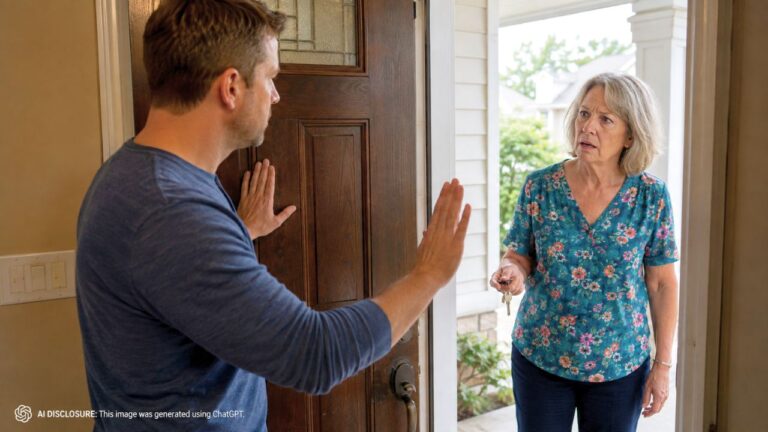
In-Laws Arrived After the Birth Expecting to Be Hosted — Then She Left Them a Restaurant Menu and Went to Bed
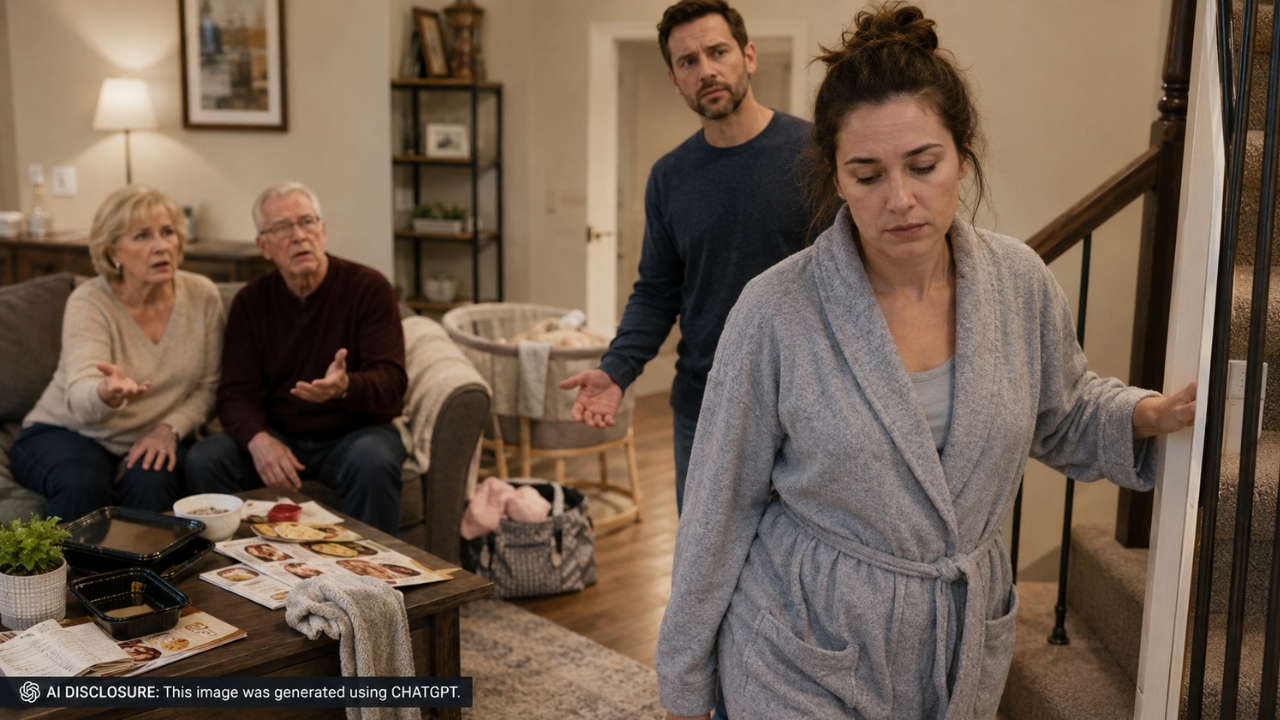
Photo credit: AI-generated image created using ChatGPT. Illustrative only.
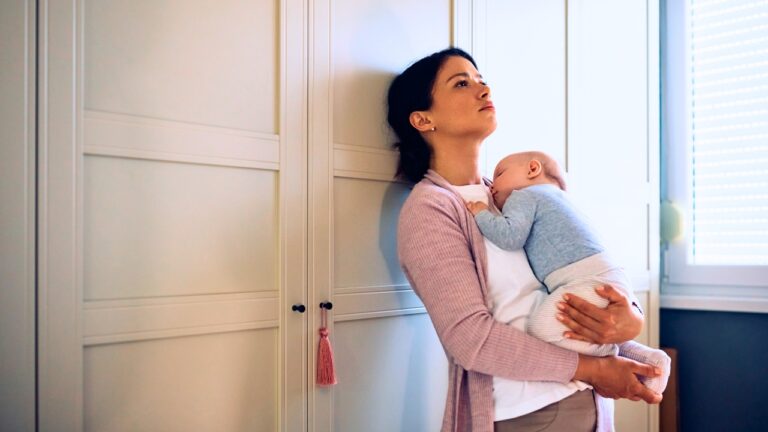
Three weeks after giving birth, she was running on the kind of sleep that barely counts. Nights were a blur of feedings, trying to get breastfeeding established, and soothing a toddler who suddenly had to share attention. And with all of that happening, her husband started planning a weeklong “visit” that sounded a lot more like she’d be hosting a small crowd.
His family—four adults and three kids—was flying in from across the country during spring break to meet the new baby. They’d be staying in an Airbnb, but she already knew what that would really mean: seven extra people spending all day, every day in her home while she tried to heal, rest, and keep two little kids afloat.
The visit sounded simple—until the expectations kicked in
Her first child was born at the height of Covid, which meant her in-laws didn’t meet him in person until his first birthday. This time, with a new baby just arrived, they wanted to come sooner. She agreed, even though the timing—two weeks postpartum—was rough.
She tried to get ahead of the logistics in a way that felt realistic for her body and brain right now. She told her husband they should make it clear that meals would be ordered in, and that she was only planning to keep basic things on hand like eggs, cereal, drinks, and a few snacks like chips and fruit.
It wasn’t a snub. It was survival.
Then her husband started shopping like it was a holiday
Instead of hearing, “Let’s keep this low-key,” her husband went in the opposite direction. He started listing what they’d “need” for his parents, what they’d “need” for the kids, and even suggested he could make a particular meal one day.
But it wasn’t just making food—it was making it the “right” way. He began talking about getting the “best” bread and the “best” cheese, which would mean multiple trips to different stores and hours away from home. In her mind, that translated to him being gone when she needed hands on deck the most.
What really pushed her over the edge was hearing him mention asking her dad—who occasionally picks up specialty grocery items for her—to get a bunch of things for his visiting family. She wasn’t just exhausted. She felt like she was being drafted into a performance she never agreed to.
She snapped, and he called her “spiteful”
At that point, she didn’t try to sugarcoat it. She told him she wasn’t going above and beyond and “play host” while she was three weeks postpartum. They could eat normal grocery store food and deal with it for five days.
Her husband’s response stung: he told her she sounded spiteful.
That word landed hard because, from her perspective, this wasn’t about punishing anyone. It was about not being treated like the cruise director of a family vacation when she was still recovering from childbirth and operating on broken sleep.
The argument spiraled into a full-on fight. She admitted she yelled. After that, she stopped talking to him much at all, and the visit was still scheduled for the following week—meaning the tension in the house wasn’t theoretical. It was on a countdown.
The real fear wasn’t the food—it was being left alone in her own home
Underneath the grocery debate was a bigger issue she felt she’d seen before. When his family visits, she says her husband tends to check out. He’ll play with his nephews and talk for hours with his brother-in-law, while she ends up doing the behind-the-scenes work: setting out snacks, tidying up, managing the chaos of extra bodies in the living room.
And this time, she’d be doing it while nursing a newborn and navigating a toddler’s “big emotions” about the new sibling.
She also wasn’t excited about the kind of “help” that often shows up with new babies—relatives who want to hold the newborn while the mother hosts them. She didn’t describe her in-laws as directly demanding anything, but she dreaded a week where she’d be depleted, her house would be full, and her husband would prioritize everyone else having fun.
It left her bracing for the moment she might have to be the “bad guy” herself—drawing hard lines in real time because she didn’t trust her husband to do it.
After posting, she clarified: the in-laws didn’t ask for this—her husband did
In an update, she made an important point: her in-laws hadn’t said they expected to be hosted or asked for specific foods. The pressure was coming from her husband, who seemed convinced they needed to be comfortable and catered to.
She also added context that made the situation more complicated emotionally. Her mother-in-law has an autoimmune disease and is blind, and she wouldn’t be able to help—something the new mom said she didn’t expect anyway. Her father-in-law takes care of his wife’s needs, and she understood that her mother-in-law mainly wanted something she missed with the first baby: holding her granddaughter as a newborn, since she can’t see her over video calls.
That’s where the guilt crept in. She didn’t want to deny that moment, but she also couldn’t imagine having her in-laws in the house eight hours a day for five straight days while she was freshly postpartum.
Health precautions were also part of the planning. She’d asked the visiting family to take Covid tests before flying, wear masks in airports and on the plane, and wear masks when holding the baby. She believed they’d follow those rules, partly because they’re already used to being cautious due to her mother-in-law’s immune system.
For anyone who wants the full context in her own words, it’s all laid out in the original post.
She didn’t want a “hostess moment”—she wanted rest
By the time the fight ended, the problem wasn’t just that people were coming. It was the feeling that her husband saw this visit as an event to pull off, while she saw it as something to endure.
She wasn’t asking for a perfect plan. She was asking not to have extra labor added to her plate—extra cooking, extra cleaning, extra emotional managing—just to prove they’re good hosts.
And in the middle of diapers, nursing attempts, and very little sleep, she didn’t have the energy for a show. If seven people were going to be in her home all day, she wanted it to be on postpartum reality terms, not “best bread and best cheese” terms.
When the visit arrived, she knew one thing for sure: if everyone expected her to play welcoming hostess, she was already done before it began.