Sibling Says Their Sister Expected a Bigger Share of the Inheritance Because She’s a Single Mom
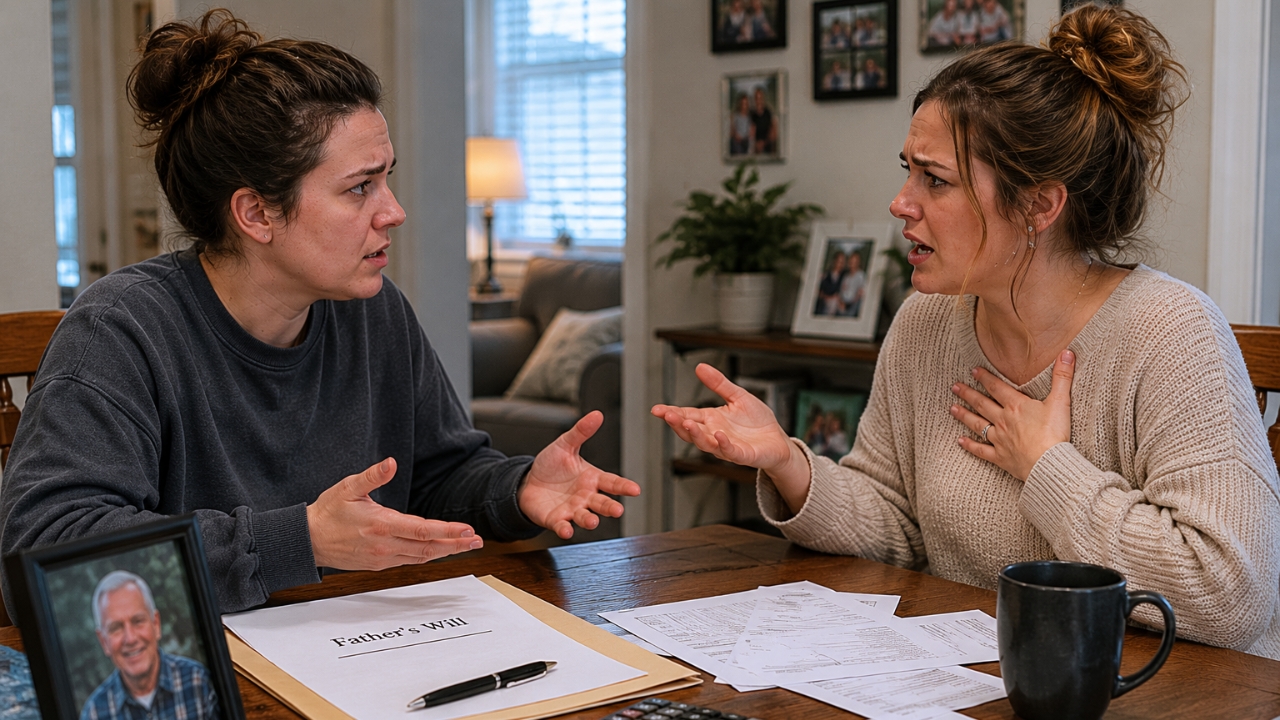
A person said a family inheritance became tense after their sister argued she deserved a larger share because she was a single mom and needed the money more.
The poster shared the situation on Reddit, explaining that their father had passed away and left his estate to be divided between his children. The inheritance was not described as something vague or informal. It was a specific amount, and according to the poster, the father’s wishes were clear: each sibling was supposed to receive an equal share.
That should have made the process simple.
Instead, the poster’s sister believed the division should be adjusted. Because she was a single mother and had more financial pressure, she felt her siblings should give up part of their share so she could receive more.
The poster did not agree.
They explained that they had their own financial needs and plans. They did not think being child-free, or at least not being in the same position as their sister, meant their share mattered less. Their father had chosen an equal split, and the poster wanted to honor that.
The sister saw it differently. From her point of view, she needed the money more urgently. Raising children alone comes with constant expenses, and she seemed to believe her family should recognize that by helping her.
The emotional pressure quickly grew. The poster said relatives began weighing in, and some thought the poster should give their sister more money because she had kids and was struggling. That left the poster feeling like they were being painted as selfish for accepting what their father had intentionally left them.
The poster brought the situation to Reddit in a post titled “AITA for not giving my sister who’s a single mom my share of inheritance?”: https://www.reddit.com/r/AmItheAsshole/comments/z2ag5t/aita_for_not_giving_my_sister_whos_a_single_mom/
The conflict was not only about money. It was about how families decide whose needs count most after someone dies.
For the sister, the inheritance may have looked like a practical solution to a hard life. She had children to provide for, bills to handle, and fewer resources than she wanted. From that perspective, a larger share may have felt fair because her need was greater.
But for the poster, fairness meant following their father’s instructions. He had not divided the estate based on who had children, who earned more, who struggled more, or who had the most immediate expenses. He had split it equally. The poster did not see a reason to rewrite that decision after his death.
That made the family pressure especially painful. The poster was grieving too. They had also lost their father. But instead of being allowed to receive what he left them, they were being asked to surrender part of it so someone else could feel supported.
The situation also raised an uncomfortable question: where would that logic stop? If one sibling has kids, does that always mean they deserve more from parents? If one person is struggling financially, does every inheritance, gift, or family resource have to be redistributed around that struggle? And if a parent wanted an unequal split, why would they not say so in the will?
Those questions seemed to be at the center of the poster’s frustration. They did not deny that their sister’s life was harder in some ways. They did not seem to hate her or want her to fail. They simply did not believe her hardship entitled her to money their father had left to someone else.
The family’s reaction made the decision heavier. Money after death can expose old resentments fast. One person may see an equal split as fair. Another may see it as ignoring reality. Relatives may pressure the person they think will bend because it is easier than confronting the person making demands.
In this case, the poster seemed to feel like that person. Because they had money their sister wanted, they became the one expected to solve the problem.
But saying no was also a way of holding a line. They were not taking money from their sister. They were keeping the share their father gave them.
Commenters largely sided with the poster and said they were not wrong for keeping their inheritance.
Many said the father’s wishes were clear, and that should be the end of the discussion. If he wanted his daughter to have a larger share because she was a single mother, he could have written the will that way. Since he did not, commenters felt the siblings should respect the equal division.
Several people pointed out that having children does not automatically give someone a larger claim to family money. They said parents are responsible for their children, and while family members can choose to help, they should not be pressured or guilted into giving away an inheritance.
Others said the relatives criticizing the poster were welcome to give their own money to the sister if they felt strongly about it. Commenters often made that distinction: it is easy to be generous with someone else’s share.
Some commenters acknowledged that the sister might genuinely be struggling. They said single parenting can be financially brutal, and needing help does not make someone a bad person. But they also said need does not erase another person’s right to their own inheritance.
A few people suggested the poster avoid arguing about fairness and simply repeat that they were honoring their father’s will. That answer, commenters said, keeps the focus on the person who made the decision instead of turning it into a debate over who deserves more.
The strongest advice was not to give in because of guilt. Commenters warned that once the poster handed over part of the inheritance, it might not end there. The family could learn that enough pressure would make them surrender money again in the future.
By the end of the discussion, Reddit’s message was clear: the poster could feel compassion for their sister without being obligated to fund her life from the inheritance their father chose to split equally.