The Maid of Honor Planned an Expensive Shower Without Asking Anyone — Then the Bridesmaids Said They Weren’t Paying
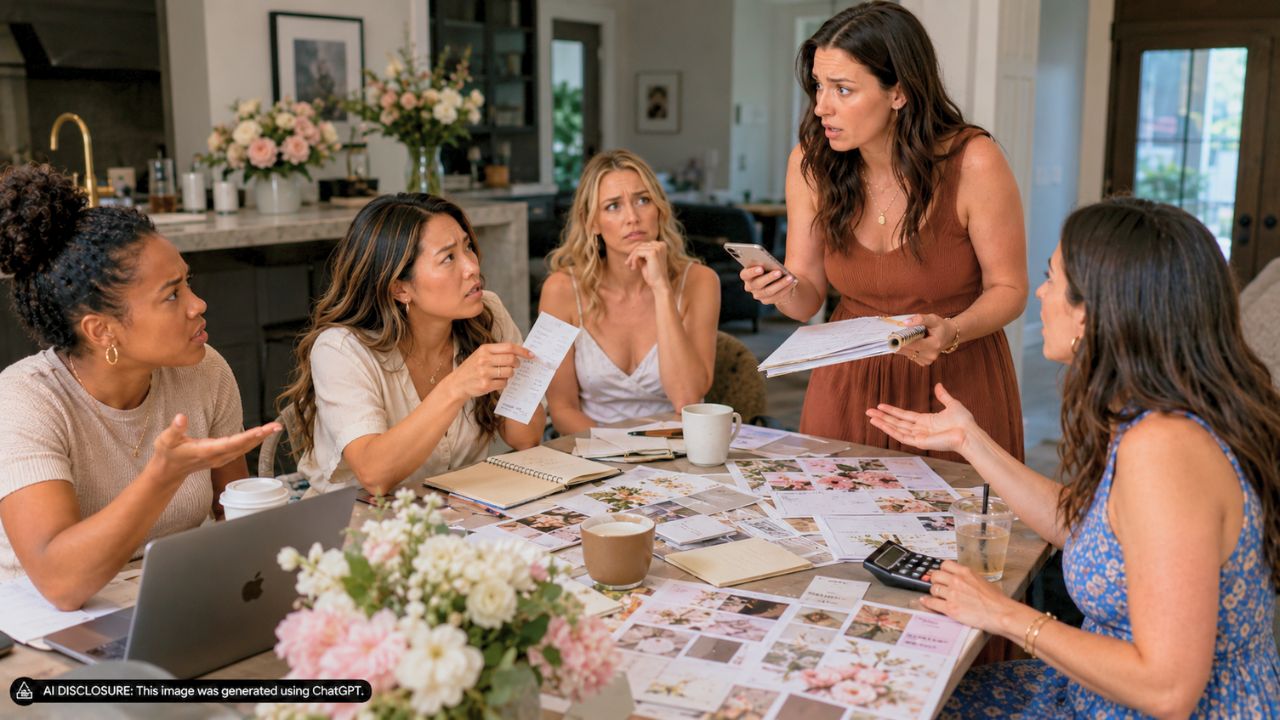
Photo credit: AI-generated image created using ChatGPT. Illustrative only.
Being a bridesmaid can feel like signing up for a part-time job you didn’t apply for. You’re excited for your friend, you want to show up, and you expect a few extra expenses. But sometimes the unspoken expectations get so big they stop feeling like “helping” and start feeling like you’ve been volunteered for something you never agreed to.
That’s exactly where one bridesmaid found herself after she did what she thought was the responsible thing: she committed early, communicated clearly, and paid her way for the actual wedding. Then, after a bridal shower she couldn’t attend, the maid of honor reached out with a bill.
She agreed to be in the wedding, but she was clear about her limits
The bridesmaid had been friends with the bride for a decade, and she agreed to be in the wedding two years ago. The bride’s sister was the maid of honor, which often means she’s the one calling the shots on pre-wedding events.
But from the beginning, the bridesmaid says she tried to set expectations. She’d been living out of state for more than five years, and she made it clear she would “definitely be there for the wedding and that’s it.” In other words: she wasn’t signing up for multiple trips, multiple weekends away, or a long list of extra events.
Even with that limited plan, the wedding itself was already expensive. She calculated the total cost—flights, hotel, rental car, the wedding gift, and the bridesmaid dress—and it came out to over $1,000.
The shower invite came, and she did what she could from afar
When the bridal shower invitation arrived, she didn’t ignore it or pretend it didn’t exist. She said she let the maid of honor know the day she got the invite that she couldn’t make it.
And to her, it shouldn’t have been surprising. She’d been upfront: wedding only. Still, she tried to be supportive in the way she could from another state.
Instead of showing up in person, she sent two gifts from the bride’s registry. She also mentions she had already sent gifts for both the engagement and the bridal shower, which suggests she wasn’t trying to dodge generosity. She just wasn’t physically there for the shower weekend.
After that, things went quiet. She says there was no communication with the maid of honor after she declined the invite—until a text message landed later with a request that felt less like a favor and more like an invoice.
Then came the text: $250 due, with no warning
The maid of honor reached out asking for $250 to cover the shower. No heads-up. No group discussion. No “hey, we’re thinking of doing something bigger—are you okay pitching in?”
Just a number and a request to pay it.
And that’s where the bridesmaid hit the brakes. She acknowledged that being in a wedding party often comes with extra costs and some financial responsibility. But in her mind, she’d already met her end of the deal: she committed to attending the wedding, bought the dress, booked travel, and sent gifts for the major moments.
What she didn’t agree to was funding a party she wasn’t hosting and couldn’t attend—especially when pricing was “never discussed ahead of time.” She turned to the original post to ask the question weighing on her: would she be wrong to refuse to pay?
Why the bill felt so personal
It wasn’t just the money. It was the way the request happened.
A lot of wedding party stress comes down to assumptions. Someone plans an event, goes bigger than they should, and then spreads the cost around afterward like everyone automatically agreed. But the bridesmaid here says nobody discussed the budget or even asked what people were comfortable contributing.
That $250 also didn’t exist in a vacuum. She’d already spent over $1,000 just to show up for the wedding, and she’d already bought gifts—two for the shower alone. From her perspective, she wasn’t refusing to support the bride. She was refusing to be surprised with a new expense after the fact.
And because the maid of honor was the bride’s sister, this wasn’t just a random friend overstepping. It was family, which can make things trickier. If the maid of honor tells the bride, the bridesmaid risks being painted as “not a team player” right before the wedding—even though she says she laid out her limits years earlier.
The silent pressure bridesmaids know too well
Bridesmaid culture can be strange, because so much of it is built on guilt and tradition instead of clear agreements. People hear “bridesmaid” and assume it includes contributing to showers, parties, décor, games, favors, and whatever else gets added to the list.
But in this situation, the bridesmaid didn’t volunteer to host the shower. She didn’t attend. She didn’t even know the cost ahead of time. The only thing she did was what a long-distance friend can reasonably do: tell them early, send registry gifts, and plan to be present for the wedding day itself.
The maid of honor’s approach also put her in a no-win spot. If she pays, she’s swallowing a cost she never agreed to, which can breed resentment. If she refuses, she risks looking stingy—even though the request came after the party already happened.
And there’s a practical question underneath all of it: if the maid of honor decided on an expensive shower without asking anyone, should the bridesmaids be expected to rescue the budget afterward?
Where things stood after the ask
In the post, the bridesmaid didn’t describe a big blowup response yet—just the moment of getting that text and feeling blindsided. She’s already spent heavily to be there for her friend’s wedding, and she’s already given gifts. Now she’s trying to figure out whether saying “no” makes her the bad guy.
It’s the kind of wedding dilemma that can change friendships quietly. Not with screaming or slammed doors, but with a single awkward message that lingers. If she refuses, does the maid of honor hold a grudge? Does the bride hear a different version of the story? Does the bridesmaid show up to the wedding knowing someone thinks she still “owes” them?
At the same time, paying without question sets a precedent that last-minute charges are fine, even when someone already communicated they wouldn’t be involved. And once that door opens, it’s hard to close—because there’s always another event, another “small” contribution, another unexpected cost.
For now, the unresolved part is the hardest: she wants to show up for the wedding and celebrate her friend, but she doesn’t want to be treated like an open wallet. And one $250 request, sent after the party was already over, managed to turn what should have been simple support into a stressful standoff.