His Family Expected His Postpartum Wife To Host Dinner — Then He Canceled the Whole Night
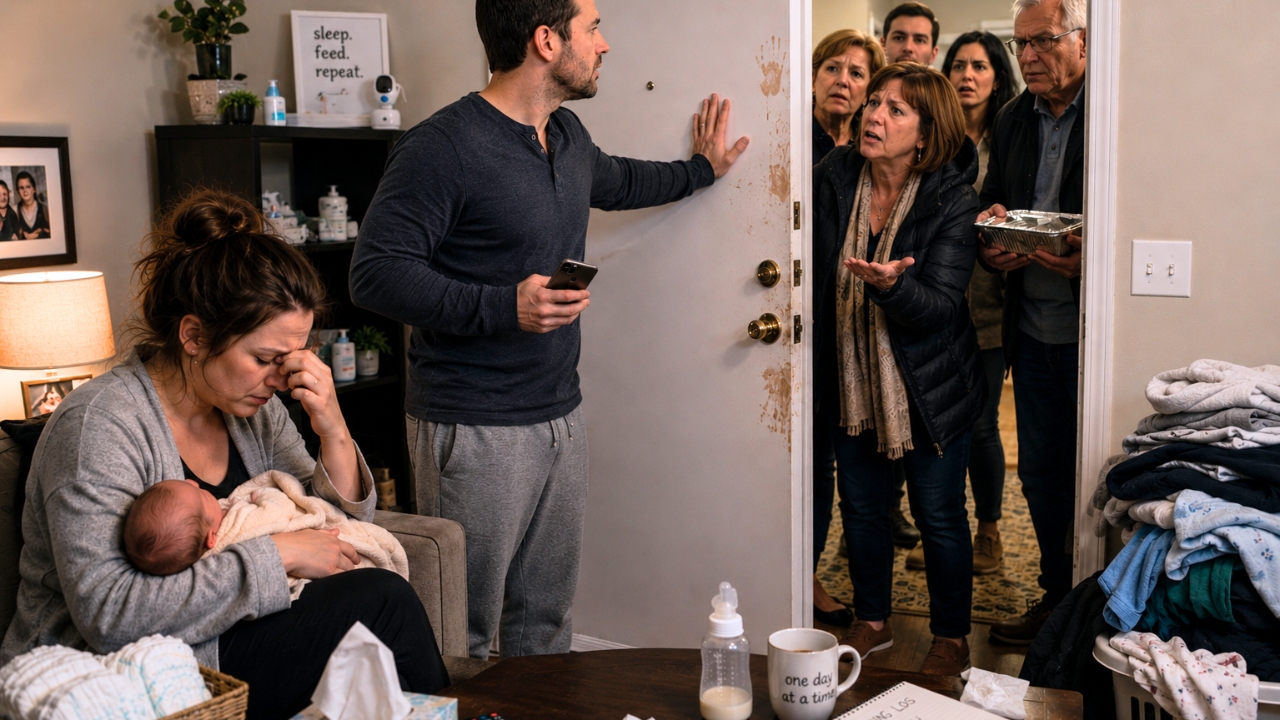
Photo credit: Thrivegirly
By the time the group text started lighting up, he was already measuring out formula, watching the clock, and listening for the baby’s next cry. His wife had been home from the hospital less than two weeks, still moving slowly and wincing every time she stood up. When his mother wrote that everyone was “so excited” for Sunday dinner at their place, he assumed she meant a casual drop-by with takeout.
Then the follow-up messages came in: a headcount, a request for “the usual spread,” and a reminder that his aunt didn’t eat dairy. Someone even asked if his wife could do her cinnamon rolls “because it doesn’t feel like a family dinner without them.” He stared at the screen, looked at the laundry piled on the couch, and realized his relatives weren’t imagining a visit. They were imagining a hosted event.
The dinner plan was treated like a tradition, not a question
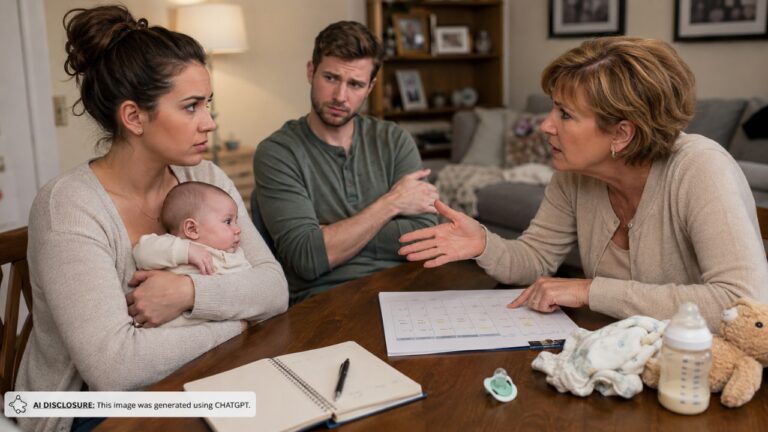
Before the baby, they’d hosted often. It was partly because their apartment was central and partly because his family liked things done a certain way. His mother would show up early, “help” by reorganizing the kitchen, and then sit back while his wife cooked and cleaned. If anyone mentioned bringing food, his mother would wave it off and say they had it handled.
After the birth, the couple assumed the routine would pause. They hadn’t slept more than two hours in a row. His wife was dealing with postpartum bleeding and trying to establish breastfeeding, and their pediatrician had told them to limit visitors because it was the height of respiratory season.
None of that seemed to register in the family chat. The tone was cheerful and certain, like the date was already inked onto a calendar months ago. When he wrote, carefully, that his wife couldn’t be on her feet for hours, his sister replied that “hosting doesn’t mean doing everything.” Then she asked what time everyone should arrive.
His wife tried to push through, and it backfired fast
He showed his wife the messages, expecting her to be angry. Instead, she got quiet and said they could try if it was “just a few people.” She’d been feeling isolated and didn’t want to be seen as the reason plans changed. She also knew how his family could turn any boundary into a long-running story about someone being difficult.
They compromised: he would cook something simple, they’d order a couple sides, and the visit would be short. But as the RSVPs rolled in, “a few people” became nine. His mother added that she’d told everyone it was a sit-down meal because “that’s what you do when there’s a new baby.”
The day before, his wife tried prepping and had to stop halfway through, sweating and shaky. She went to the bathroom and came out pale, saying she was bleeding heavier again. He called the nurse line, and they told him to keep an eye on it and come in if it worsened. It didn’t feel like a moment to gamble on hosting a crowd.
He canceled, and the reaction was immediate
He sent a short message: dinner wasn’t happening, they weren’t up for visitors, and they’d reschedule when things were calmer. He offered to meet people outdoors another week, or to do a quick video call so they could see the baby.
Within minutes, his mother called. She didn’t ask how his wife was doing. She asked what she was supposed to tell the relatives who were already planning to come. When he repeated that his wife was recovering and needed rest, his mother said they’d “all been through it” and that company would cheer her up.
Then she shifted tactics and said she would host at her house instead, but she needed him to bring the baby over because people were excited. He said no, not with the baby’s age and the doctor’s guidance. That’s when the conversation turned sharp, with his mother saying he was keeping the baby from the family and that his wife was controlling him.
He ended the call and put his phone on silent. His wife heard enough to start crying, saying she’d ruined everything. He told her they weren’t doing this anymore and that her recovery came first.
The family showed up anyway, turning it into a doorstep standoff
On Sunday, he thought the message would stick. Around 4 p.m., their doorbell rang. He checked the peephole and saw his aunt holding a foil tray, his cousin with a bag of bread, and his mother stepping forward like she owned the hallway.
He didn’t open the door. He spoke through it, saying they weren’t having visitors. His mother’s voice carried down the corridor, loud enough that a neighbor cracked their door to look. She insisted they’d brought food, so it wasn’t work, and they were only staying “a minute.”
The baby started crying from the noise, and his wife retreated to the bedroom. His mother kept pressing the buzzer. When he told her to stop, she said she wasn’t leaving without seeing the baby.
He called building security, who told him to call the non-emergency line if the visitors wouldn’t leave. He hated the idea of police involvement with family, but he also couldn’t let it turn into a pattern. He warned his mother through the door that he would make the call. That finally made them back away, though not before his mother snapped that he was embarrassing her in front of everyone.
After they left, he noticed a smear of something on the doorframe, like greasy fingerprints from the foil tray. It was small, but it landed like an insult: even now, they couldn’t just leave without leaving a mark.
He started documenting everything and setting real boundaries
That night, he wrote down what happened, including the time they arrived and how long they stayed in the hallway. He saved screenshots of the family chat and the missed calls. He and his wife talked about what they’d do if it happened again, because once someone decides they can bulldoze a boundary, they tend to test it.
He emailed the building manager to ask what steps they could take if relatives kept showing up and creating disturbances. The manager replied that hallway confrontations violated the lease’s quiet enjoyment rules and suggested they report it immediately if it repeated. The manager also reminded him that security could log incidents.
He installed a small doorbell camera the next day. It wasn’t about revenge. It was about proof, in case his mother tried to rewrite what happened or show up when he was at work and his wife was alone with the baby.
He also told his wife that from now on, he would be the point person for his family. No more texts to her. No more “just checking in” calls that turned into guilt. If they wanted to help, they could drop groceries at the door at a time he approved, or contribute gift cards for meals.
People around them focused on safety, not etiquette
When he described the situation to a few close friends, nobody cared about the dinner itself. They cared that his wife was recovering and that relatives felt entitled to show up anyway. The advice he got was practical: keep the door locked, don’t argue in the hallway, and keep communication in writing.
Several people urged him to call the nurse line again about the increased bleeding and to prioritize postpartum follow-up care, especially since stress can make recovery feel even harder. Others told him to stop negotiating with his mother, because every explanation became an opening for debate. A simple “we’re not hosting or visiting” was enough.
One friend who worked in property management told him to treat it like any other unwanted visitor situation: document, report, and don’t let it escalate into a shouting match that could end with complaints against them. Another suggested setting a clear date for a short visit weeks later, only if his wife felt ready, so the boundary wasn’t framed as punishment but as basic health.
The hard part was that none of this felt like what new parenthood was supposed to look like. He wanted support, not a standoff.
A few days later, his mother sent a long message saying she was hurt and that family shouldn’t need an appointment to see a baby. He replied with two sentences: his wife was recovering, their doctor said no visits yet, and the next time someone showed up uninvited, he would involve building management immediately.
It didn’t fix the relationship. It did make the expectations clear. And for the first time since the birth, their apartment felt quiet enough for his wife to sleep without bracing for the doorbell.