MIL Tried to Rename Her Grandson After a Family Death Without Asking — Then the Parents Shut It Down
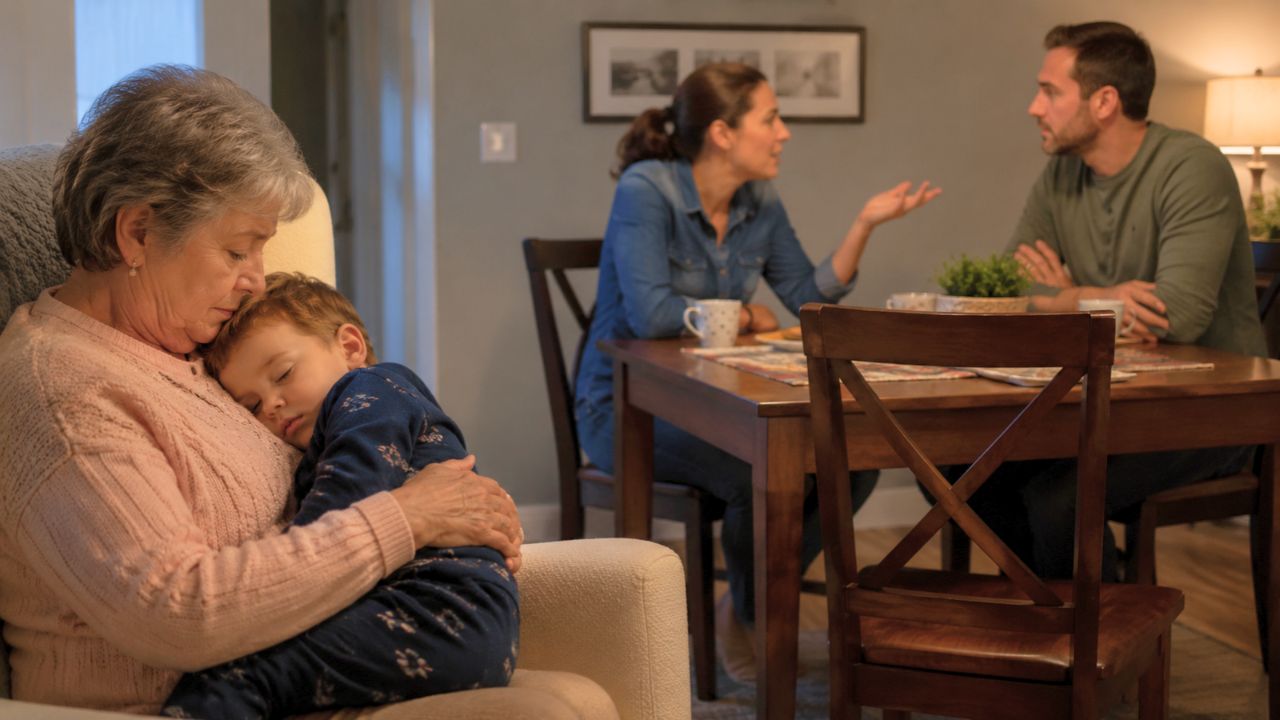
Photo credit: AI-generated image created using ChatGPT. Illustrative only.
Naming a child is one of those quiet, weighty decisions that doesn’t feel negotiable once you’ve made it. You’re not picking a nickname for a dog or a handle for a video game. You’re giving your son something he’ll carry into classrooms, job interviews, and his own home one day.
That’s why a situation like the one described in the original post lands so poorly. A couple named their baby with the initials “KJ,” chose a first name they loved, and used a middle name suggested by the husband’s favorite uncle. Six months later, that uncle died suddenly. In the aftermath, the mother-in-law decided—without asking—that the baby should now be called by his middle name to “honor” the uncle, and she even instructed other relatives to do the same.
On paper, it sounds like grief looking for a place to land. In real life, it can also be control wearing a black suit and calling itself tradition. The parents told her to stop. She refused at first, argued that they were selfish, and only reluctantly agreed after a sit-down conversation—while making it clear she wouldn’t like it.
A nickname is one thing. Rebranding a child is another.
Families do nicknames. “Buddy,” “sweetheart,” “champ,” “little man”—most parents can shrug those off because they aren’t trying to overwrite anything. They’re just affectionate filler words from people who love the kid and don’t always know what to say.
But consistently using a different name—especially a formal name—and insisting everyone else follow suit isn’t a nickname. It’s a campaign. It tells the parents, “I don’t accept your choice, and I’m going to run the household my way anyway.”
The couple in this story wasn’t even being rigid about it. They were fine with relatives calling the baby by his actual first name or by “KJ.” Their issue wasn’t vocabulary. Their issue was someone trying to take the steering wheel out of their hands.
Grief doesn’t give someone new authority
A sudden death can scramble a family’s common sense. People look for rituals, symbols, something they can do with their hands because their hearts are helpless. Wanting to honor a beloved brother or uncle is normal, and there are a hundred good ways to do it.
But grief doesn’t create a new chain of command. It doesn’t turn a grandmother into the naming authority over her grandson. Honoring the dead by disregarding the living is a bad trade, and it usually doesn’t end well.
In this case, the “honor” came with pressure: she told the parents they were being disrespectful to the uncle’s memory if they didn’t go along. That’s not remembrance; that’s emotional leverage. It’s also a recipe for resentment that will outlive the funeral flowers.
There’s a difference between honoring a man and using him
The parents added an important detail: the mother-in-law disliked the baby’s name even before the uncle died. She had already been calling him other things, then started leaning into the middle name, and later turned the uncle’s death into the reason everyone “needed” to adopt it.
Maybe her motives are mixed. Maybe she’s genuinely mourning and also genuinely stubborn. Either way, it’s fair for the parents to notice the pattern. If someone didn’t like the chosen name yesterday, and today they’re insisting on a different one “for sentimental reasons,” you don’t have to be a cynic to wonder what’s really driving the train.
There’s also something subtly dishonoring about using a respected man’s memory as a battering ram in a family dispute. If the uncle was as beloved as described, chances are he wouldn’t want his name used to undermine the parents or stir division around a newborn.
Parents set the rules. Grandparents get to support them.
This is where a lot of couples stumble, especially new ones. They treat family conflict like a debate they need to win with perfect arguments, instead of a boundary they need to enforce with consistency. You don’t need a courtroom case to say, “This is his name, and we expect you to use it.”
A grandmother has a role, and it can be a beautiful one. It just isn’t the role of co-parent, household manager, or family branding director. When grandparents start acting like decision-makers instead of supporters, the whole structure wobbles.
For husbands in particular, this is a moment to be steady. It’s his mother, yes, but it’s their son. A man leaves his father and mother and holds fast to his wife—not because parents become enemies, but because the marriage becomes the primary household. If he won’t speak clearly here, he’s handing his wife a fight she shouldn’t have to carry alone.
The sit-down conversation was the right move, but it can’t be the last move
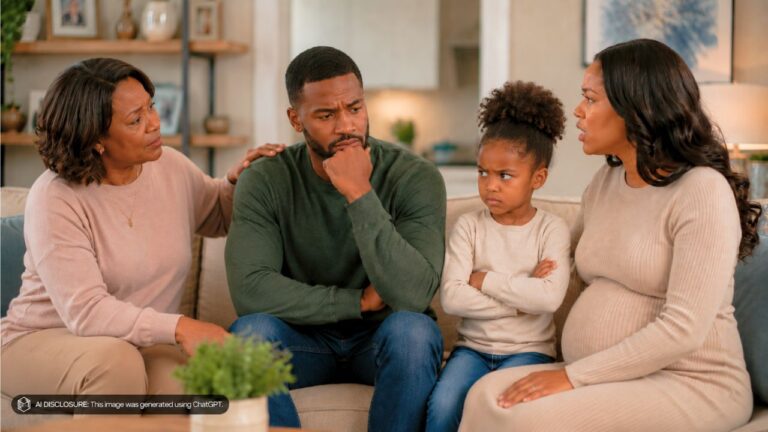
The couple did something many people avoid: they sat down with her and named the behavior plainly. They called it disrespectful to ignore them and “rename” their child while recruiting other relatives into it. That’s not petty; that’s accurate.
They also gave a clear instruction: it needs to stop immediately. That kind of clarity is a gift, even to a difficult person. It removes the excuses. Nobody can claim they “didn’t realize.”
Still, the mother-in-law’s response matters. She didn’t apologize or show understanding. She argued, called them selfish, and finally agreed while basically saying she’d comply under protest. That’s not nothing, but it’s not trust-building either. The parents’ instinct that she might keep doing it when they’re not around is understandable.
Practical ways to hold the line without turning the house into a war zone
If a grandparent keeps “forgetting” a child’s name, you don’t need theatrics. You need a calm, predictable response. Correct it every time in the moment, without a speech: “His name is KJ,” or “We’re calling him by his first name.” Then continue the conversation as normal.
If she tries to get other family members on board, don’t chase every cousin with a group text. Speak to the key people you actually see and say it plainly: “Please use his first name or KJ. We’re not using the middle name as his everyday name.” The goal isn’t to punish anyone; it’s to keep reality intact.
And if she persists, consequences have to be boring and real. Less unsupervised time, shorter visits, or the parents stepping out of the room with the baby when she refuses. Not as revenge, but as a simple connection: if you won’t respect us as parents, you don’t get the same access.
Honor the uncle in a way that doesn’t cost your peace
The parents already honored the uncle by receiving his idea for the middle name and valuing his place in the family. They can continue that honor in better ways that don’t put their son in the middle of a power struggle.
They might tell stories about the uncle as the child grows, keep a photo around, or mark the birthday connection in a small annual way. The point is to remember the man without turning the child into a memorial object. A boy deserves to be a boy, not a walking tribute that other adults use to process their feelings.
Grief asks for gentleness, but it doesn’t excuse boundary-breaking. A family can mourn and still respect the parents’ authority. In fact, that respect is part of what keeps a grieving family from splintering into factions.
In the end, this couple wasn’t “selfish” for insisting their son be called by his name. They were doing the plain work of parenting: setting a standard and protecting their home from someone else’s preferences. If the grandmother wants to honor her brother, she can do it like an adult—by remembering him well and loving the living without trying to rename them.
Read more from Thrive Girly:
- Mother-in-Law Expected to Sleep Over After Every Visit — Then the Mom Said Overnight Stays Were No Longer an Option
- Relatives Showed Up to the Wedding Without Being Invited — Then the Couple Refused to Find Them Seats
- Grandma Buckled the Baby Into Her Car and Left Without Telling Anyone — Then the Mom Made Sure It Never Happened Again