Her SIL Kept Shoving Her Toddler Nephew Away and Calling Him a “Spotlight Stealer” — Then She Confronted the Whole Family About It
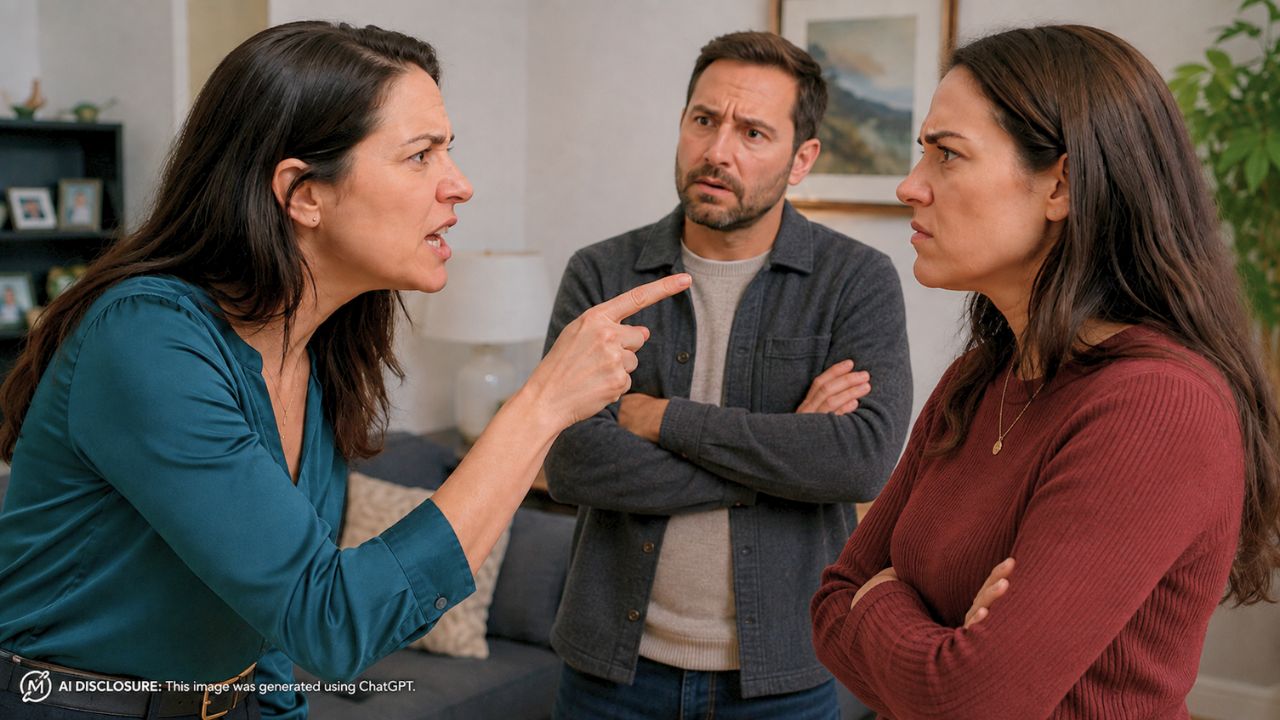
Photo credit: AI-generated image created using ChatGPT.
Some family situations don’t start with a big explosion. They start with a steady drip of small cruelties that everybody pretends are “just her personality.” Then one day, a line gets crossed in a way you can’t unsee, and you realize your job isn’t to keep the peace. It’s to keep your kid safe.
That’s where one mom says she landed after years of tense interactions with her sister-in-law. In the original post, she explains that she and her husband have a 4-year-old son, Jasper, and his only living grandparents are her in-laws. The grandparents adore the boy, but their adult daughter Daisy—who lives with them and calls herself “child-free”—has treated Jasper like an unwanted intruder since the day he was born.
And it isn’t mild dislike. The mother describes Daisy making nasty comments, physically shoving the child away with her foot if he comes near, and accusing him of “stealing her spotlight.” After one particularly ugly incident involving Daisy’s dog and a string of screaming insults, the parents left, set a hard boundary, and told the grandparents they could visit the child at the family’s home instead. Other relatives criticized her for “keeping their only grandchild from them,” but she’s not buying it.
Aunt Daisy Didn’t Just “Not Like Kids”
There’s a difference between not enjoying children and treating a child like a pest you’re allowed to kick away. This mother says Daisy has been openly resentful for four years, framing Jasper’s existence as a threat to her attention in the family. That’s not a preference; that’s a character problem.
The details are what make your stomach tighten. Daisy reportedly runs away from the child, pushes him away with her foot even if he’s simply walking past, and makes rude comments about him and the boy’s father. The mom says she’s tried to address it with her husband, Daisy, and the in-laws multiple times, but the behavior keeps showing up.
The Dog Incident Was the Breaking Point
The moment that changed everything happened at the grandparents’ home while Jasper was playing outside with bubbles. Daisy’s dog came out, and Jasper accidentally slipped into the dog while running. The dog was startled and nipped at him, and Jasper cried from fear.
The mom says what followed was worse than the nip. Daisy came out “screaming,” calling Jasper a “clumsy little bastard” and saying he “never should’ve been born.” That’s the kind of language that doesn’t belong anywhere near a child, especially from an adult who’s supposed to be family. The parents grabbed their son and left, which is exactly what any responsible mother and father should do when the temperature in the room becomes dangerous.
Grandparents Who Minimize Become Part of the Problem
When the grandparents called asking what happened, the mother told them what Daisy said. According to her, they responded by claiming Daisy was “just concerned” and that the parents shouldn’t have taken their family home. That response matters, because it tells you what kind of future Jasper can expect in that house.
Her father-in-law had previously said he’d spoken to Daisy, while her mother-in-law brushed it off with, “She just doesn’t like children, she’ll get used to it.” That’s the classic move in families that fear confrontation: translate ugliness into a “phase,” and hope time does the work that courage won’t. Time rarely fixes what people keep excusing.
In her follow-up, the mother adds that the rude comments weren’t just petty jokes. She says Daisy announced at the baby shower that she wasn’t an aunt “to that thing,” and later told the newborn to “STFU” when he cried—an incident where the father-in-law did slap Daisy and threaten to kick her out. Even with that, the pattern seems to have continued, which says the family’s discipline didn’t stick or wasn’t consistently enforced.
A Father’s Job Is Protection, Not People-Pleasing
The encouraging part of this story is that the husband didn’t hide behind his wife and let her take all the heat. The mother says he’s fully on her side and reiterated the boundary to his parents, including calling them out for tolerating Daisy’s behavior. That’s what a man does when his household is threatened: he stands with his wife, protects his child, and refuses to negotiate with abuse.
It’s also worth noticing the mother’s honesty about timing. She says many of Daisy’s comments were made when her husband wasn’t around, and she told him afterward because she knew he’d lose his cool. That’s a real dynamic in families like this: the bully acts up when the person most likely to confront them isn’t present.
There’s a fine line here. A dad can’t be passive, but he also can’t be a grenade. His strength should produce safety, not chaos. From what she describes, he didn’t storm into the grandparents’ house to start swinging; he backed the boundary and addressed his parents directly. That’s controlled resolve, and it’s rare.
“You Can’t Keep Their Only Grandchild From Them” Is a Manipulation
The extended family’s complaint—“you can’t keep their only grandchild from them”—sounds noble until you look at the actual offer on the table. The parents didn’t say, “You’ll never see him again.” They said, “You can see him at our home,” which is about an hour and a half away. That’s not severing a relationship; it’s changing the terms so the child isn’t trapped around Daisy.
People say things like “only grandchild” to move the conversation away from responsibility and toward guilt. It’s a way to treat access to a child like an entitlement instead of a privilege built on trust. If the grandparents want the benefits of being close, they have to accept the costs of protecting the child in their home, including dealing seriously with their adult daughter’s behavior.
And to be blunt: if you’re a grandparent and you keep inviting a known problem into the room without enforcing consequences, you’re choosing the comfort of your adult child over the safety of your grandchild. You can still love both, but you can’t pretend neutrality is harmless.
Boundaries Aren’t Punishment; They’re the Price of Peace
The boundary this couple set was simple: they won’t attend family events or be around Daisy, and the grandparents can visit at their house if they want to see Jasper. That’s a reasonable middle ground, especially given the physical pushing and verbal attacks described. The mother also blocked the grandparents after the call, which may sound drastic, but it fits with someone trying to stop the constant arguing and pressure in the immediate aftermath.
In her edit, she mentions Jasper doesn’t seem affected yet, and she’s talked with him about how loved he is. That’s wise, but it shouldn’t lull anyone into waiting for visible damage. A four-year-old might not have the words for shame, confusion, or fear, but he feels it. A kid learning that an adult can scream hateful things and everyone still sits at the same dinner table is a kid learning the wrong lesson about love and safety.
Also, the “Jasper needs boundaries” argument doesn’t really hold water here, based on what she shared. She says he already avoids Daisy, chooses to sit away from her, and still gets punished for simply walking near her. A child shouldn’t have to navigate an adult’s resentment like it’s a minefield.
If the Grandparents Want Normal, They Need to Do Hard Things
This is the part many families avoid: if you want a healthy, normal family life, you have to confront the person breaking it. Not with gossip, not with vague “talks,” but with clear expectations and real consequences. Daisy is 27, not 17, and the parents’ home is the setting where this keeps happening.
No one can force Daisy to like kids. But adults can be required to behave like adults: no shoving, no screaming, no insults, and no uncontrolled dogs around a child. If Daisy can’t do that, then the family gatherings need to change shape—Daisy leaves the room, Daisy doesn’t attend, or the grandparents go to the child’s home where Daisy isn’t present. Those options aren’t cruelty; they’re stewardship.
And yes, it may cost the grandparents something. It may create tension under their own roof. But a family that won’t pay the price of righteousness always pays a bigger price later—distance, distrust, and relationships that never quite recover.
The mother isn’t “keeping” a grandchild from anyone. She’s declining to deliver her son into an environment where an adult has a track record of contempt and physical aggression, and where the other adults keep explaining it away. A good man understands that peace isn’t the absence of conflict; it’s the presence of order. If the grandparents want the closeness they’re asking for, they’ll need to help create a place where a little boy can run around with bubbles without getting treated like an enemy.
Read more from Thrive Girly:
- Mother-in-Law Expected to Sleep Over After Every Visit — Then the Mom Said Overnight Stays Were No Longer an Option
- Relatives Showed Up to the Wedding Without Being Invited — Then the Couple Refused to Find Them Seats
- Grandma Buckled the Baby Into Her Car and Left Without Telling Anyone — Then the Mom Made Sure It Never Happened Again