Her Brother’s Bride Handed Bridesmaids $3,000 Wedding ‘Experience Packages’ She Couldn’t Afford — Then She Refused to Wear the Wig
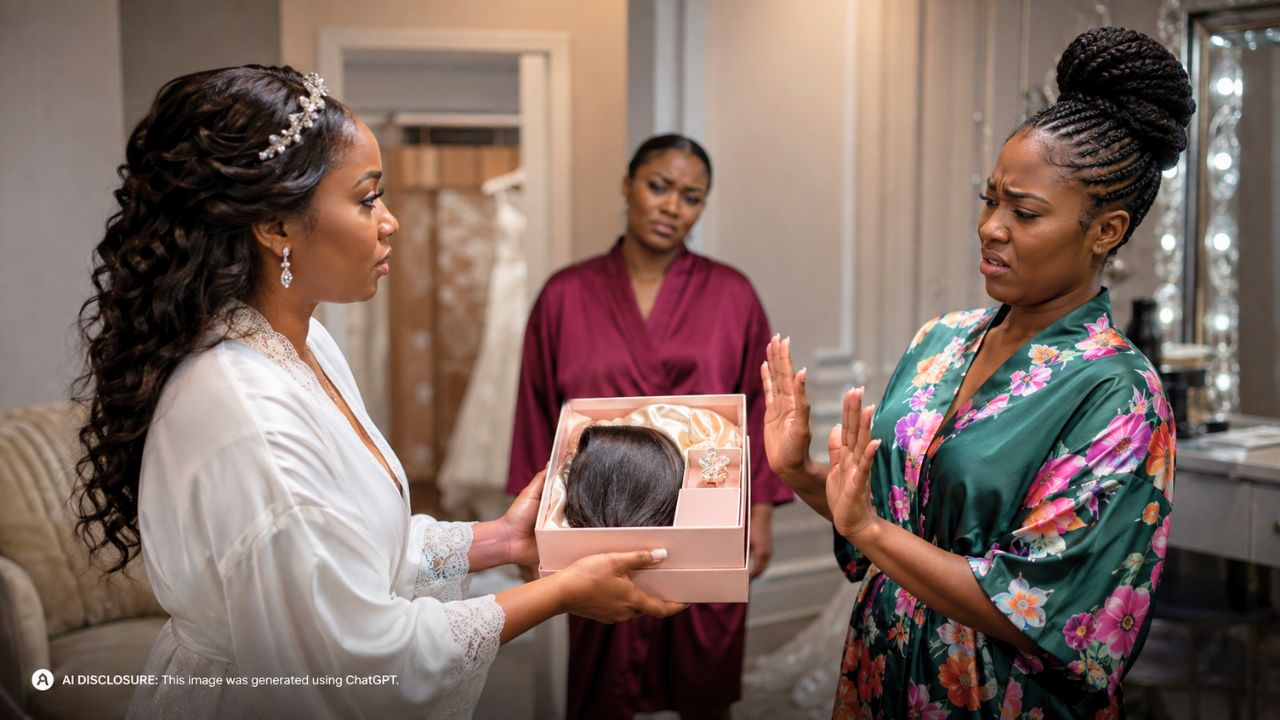
Photo credit: AI-generated image created using ChatGPT.
There’s a special kind of stress that shows up when a wedding stops being a celebration and starts acting like a control system. Not the normal “who sits with who” stuff, but the kind where people’s bodies, budgets, and boundaries become props for somebody else’s moment.
A 23-year-old woman shared a situation like that in the original post: she was asked to be in her only brother’s wedding, but the bride’s expectations kept escalating. It started with expensive bridesmaid “experience packages” reportedly reaching $3,000 and ended with an ultimatum about wearing a wig she couldn’t afford and didn’t want. When she said no, she was told she could “support from the crowd,” and eventually the message became even colder: fall in line, or don’t come at all.
The details are messy, but the theme is familiar. A wedding can reveal character fast, especially how people handle money, power, and disagreement. And it can expose whether the groom is actually leading or just trying to survive the week.
The $3,000 “experience package” wasn’t a gift—it was a bill
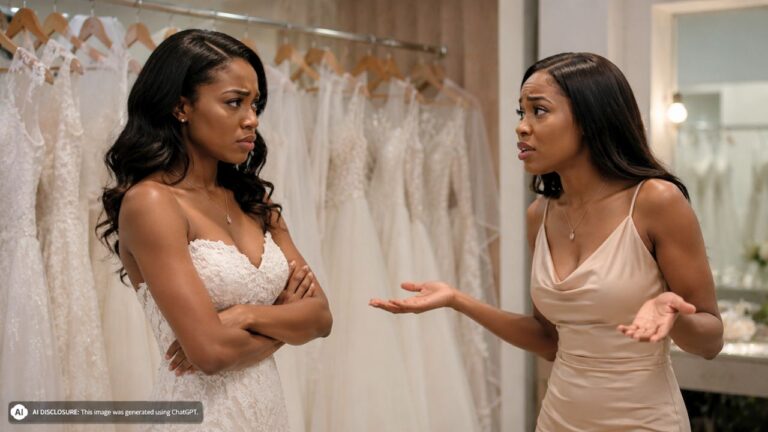
Early on, the bride handed bridesmaids “experience packages” that could cost up to $3,000, including a destination trip. For a recent college grad on an entry-level salary, that’s not a fun extra. That’s rent money, car repair money, “I’m trying to build my life” money.
When a bridal party is treated like a paid cast, it turns friendship and family into a transaction. A reasonable bride thinks, “How can I make this easy on my people?” A controlling bride thinks, “How can I get my full vision without paying for it?” That difference matters, because it predicts how she’ll treat people once the spotlight moves off the aisle and onto ordinary life.
The wig demand was about uniformity, but it landed like ownership
The bridal party originally agreed on updos because of humidity. Later, the bride changed course and told the sister she needed to wear a wig instead. The sister had recently done a big chop and dyed her natural hair, something she described as a meaningful milestone, and she offered alternatives like braids.
The bride said no and leaned on “uniformity.” Uniformity can be fine for dresses and shoes. It gets weird when it moves onto somebody’s head and starts sounding like, “Your natural body is a problem we need to fix for the photos.” That doesn’t create unity. It creates a hierarchy where one person’s aesthetic outranks everyone else’s dignity.
Dragging her feet on details, then signing contracts, was a pressure tactic
Another piece that stood out: the bride didn’t send wig details for months after requesting it. Then after the bridal shower, she asked if the wig had been purchased and quickly followed up with the stylist’s cost. When the sister didn’t respond fast enough, the bride signed a contract anyway.
That’s a move some people use to win arguments without having them. They create a deadline, spend money, and then act like you’re the villain for not reimbursing the thing you didn’t agree to. The sister tried to compromise: she would install the wig herself and have the stylist style it. The bride said no, claiming the stylist wouldn’t work “behind” another install.
Then came the line that tells you exactly what kind of day this was turning into: because she cut and dyed her hair, there were now “extra costs for uniformity.” That’s not a conversation between family. That’s a demand letter.
Parents picking sides can turn a wedding dispute into a family fracture
Weddings have a way of exposing old family patterns. The sister shared that in therapy she’d been wrestling with feeling like the “scapegoat,” where her boundaries get treated like defiance. When she brought the wig issue to her parents, her mother called her selfish. Her father told her that if the bride didn’t get what she wants, she’s out of the wedding party.
That’s a heavy-handed way to “keep the peace,” and it usually does the opposite. It teaches everyone that the loudest person wins and the reasonable person gets punished. It also teaches the future bride and groom that they can use exclusion as a weapon, and the family will enforce it for them.
The sister tried to speak plainly to the bride, saying it hurt to feel like she could only stay if she changed everything about how she shows up. The bride then forwarded that message to the family. If you’ve ever watched private concerns get weaponized in a group chat, you know what that does. It turns a hard conversation into a loyalty test.
The groom’s job was to lead, not just declare “she comes first”
The brother initially said he didn’t care whether she was in the wedding party, which eased some guilt. The sister even agreed to sit in the audience and support him. That should’ve been the end: an adult decision, a workable compromise, everyone moves on.
Instead, later messages from the bride framed the sister as condescending, claimed the choice was last-minute, and invoked a “center of this new chapter” mindset. She also leaned on Scripture to argue the wife comes first. The sister responded with her own Scripture reference and the simple point that respect goes both ways.
The brother’s final word was blunt: he loved his sister, but his wife came first, and if she couldn’t “fall in line,” she was out. A man does need to prioritize his marriage. But prioritizing your wife is not the same as co-signing every demand, especially when it’s hurting your own family over a wig and a budget you didn’t offer to cover.
Headship isn’t passivity with religious language on top. It’s responsibility. Sometimes that means telling your future wife, gently but firmly, “We’re not doing that to my sister.”
The update gets darker: mental health strain, separation, and divorce papers
The sister later updated that she got her hair done professionally—a sew-in—and kept it in a ponytail, because the bride had reportedly said colored hair was acceptable in that style. She sent photos and a calm message explaining she wasn’t trying to make the wedding about her, but she wasn’t comfortable being controlled or paying extra costs without compromise or financial help.
Her brother replied that she had eliminated her “chance for recourse” and that she was out, final. The family also expressed fear she’d “make a big scene,” and her mother said the bride was uncomfortable with her attending because the sister had shared a vulnerable personal situation previously.
Seven months later, she wrote a final update: the wedding was beautiful and well-attended, and she ended up as a “grooms-maid” rather than a bridesmaid, though she said she wasn’t listed in the wedding booklet with her family. She also shared that she attempted to end her life shortly after, later received treatment, and is doing better. She reported her brother had his own mental health episode, that the couple separated, and that divorce papers were sent months later. Those are sobering details, and they underline how quickly “it’s just wedding stress” can become something far more serious.
What a sane wedding looks like for grown adults
A healthy wedding plan has a few unglamorous features: clear expectations, reasonable costs, and the humility to accept “no” without punishment. If someone wants a specific look that requires extra spending or uncomfortable processes, the couple pays for it. If they don’t want to pay, they don’t get to demand.
There’s also a relational principle that matters for men: protect your future marriage by practicing fairness now. If your fiancée is willing to steamroll your sister over hair, don’t tell yourself it’ll magically soften after the honeymoon. Patterns don’t disappear because you took photos in formalwear. They usually harden.
And for families: “keeping the peace” by sacrificing one person’s dignity isn’t peace. It’s a quiet form of bullying with matching outfits.
This whole situation didn’t start with a wig. It started with a mindset that other people exist to serve a moment, and that love means compliance. A wedding is supposed to mark the beginning of a marriage, not the crowning of a small-time tyrant. If the price of being present is disappearing as yourself, it’s not unity you’re being offered. It’s control, dressed up in satin.
Read more from Thrive Girly:
- Mother-in-Law Expected to Sleep Over After Every Visit — Then the Mom Said Overnight Stays Were No Longer an Option
- Relatives Showed Up to the Wedding Without Being Invited — Then the Couple Refused to Find Them Seats
- Grandma Buckled the Baby Into Her Car and Left Without Telling Anyone — Then the Mom Made Sure It Never Happened Again