Coworker’s Daughter Kills Her Fish — Then the Mom Acts Like Babysitting Should Continue Anyway
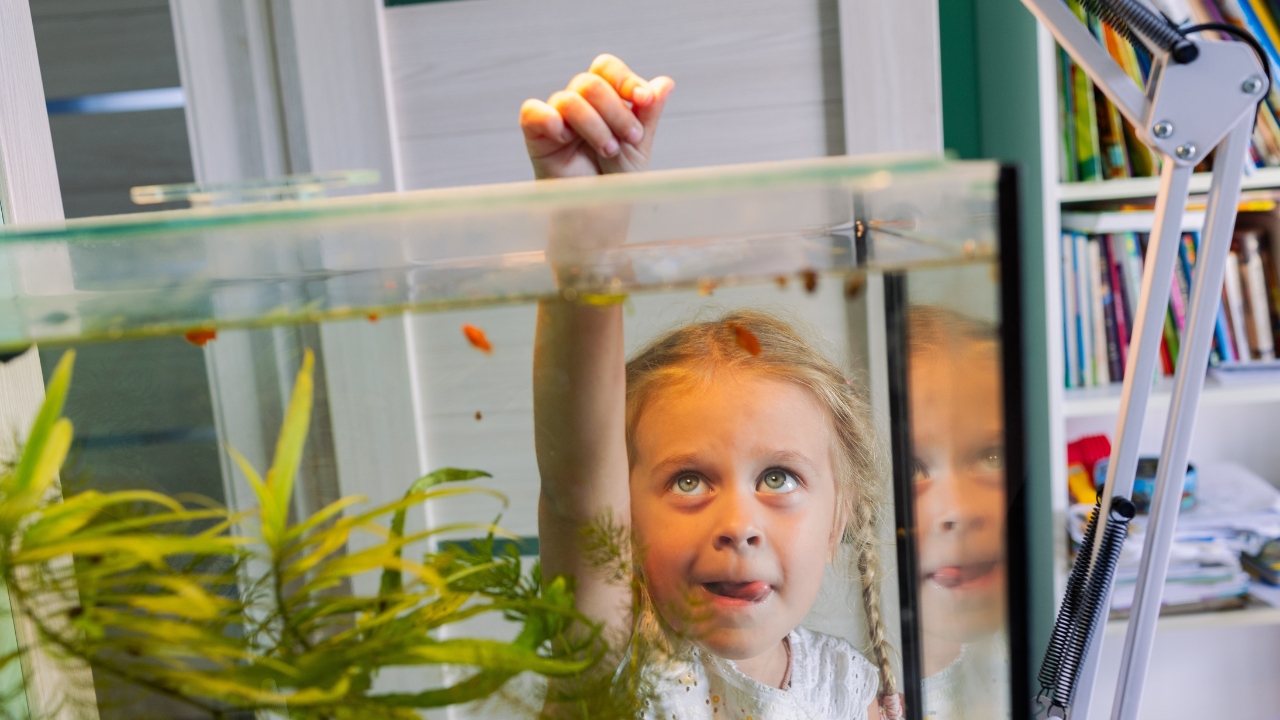
Photo credit: Media Home/Shutterstock.com
A woman said the trouble started with a last-minute favor.
Her coworker needed someone to watch her daughter for a short time, and the woman agreed. She was not a professional babysitter. She was not running a daycare. She was simply trying to help someone she worked with because sometimes people get stuck and need a hand.
According to the Reddit post, the woman had a fish tank in her home that she cared about. It was not decoration she ignored in the corner. It was something she maintained, watched, and took responsibility for. Anyone who has kept fish knows a tank is more fragile than it looks. Food, water quality, chemicals, temperature, and stress can all turn into a problem fast.
The coworker’s daughter was told not to mess with it.
That should have been enough. The tank was not a toy. The fish were living animals. The woman had clear rules in her house, and one of them was that the child needed to leave the tank alone.
But while the woman was watching her, the girl got into the fish tank anyway.
What happened next was awful. The fish died.
The woman was upset for the obvious reason: her pets were dead. But she was also upset because the child had ignored a direct boundary in someone else’s home. This was not spilling juice or breaking a cheap knickknack by accident. It involved living animals that the woman had cared for, and she felt responsible for the fact that they had been harmed while she was trying to help another adult.
When she told the coworker what happened, she expected at least some level of accountability.
Instead, the coworker seemed more focused on defending her daughter and keeping the babysitting arrangement available. She did not treat the dead fish like a serious issue. She did not seem to understand why the woman was so upset or why this would make her unwilling to watch the child again.
That reaction changed everything.
The woman told her coworker she could not babysit the girl anymore.
The coworker pushed back. From her side, it seemed like the woman was overreacting and punishing a child for a mistake. She wanted the woman to move past it and keep helping. But the woman saw it differently. She had opened her home as a favor, set a clear rule, and ended up with dead pets. She did not trust the child to respect boundaries in her house, and she did not trust the mother to take those boundaries seriously either.
That was the bigger problem.
Children can make bad choices. They can ignore instructions. They can touch things they are told not to touch. Adults are supposed to respond by teaching, correcting, apologizing, and making it right where possible. If the adult shrugs it off, the person whose home was damaged has no reason to volunteer for a repeat.
The woman was not saying the child was evil. She was saying she was done being the person who absorbed the risk.
The coworker still acted offended.
That is where the workplace angle made things messy. Saying no to a neighbor or distant acquaintance is one thing. Saying no to a coworker means you may still have to see that person every day. The woman had to deal with the awkwardness of someone at work thinking she was unfair or cold because she would not keep babysitting after her fish died.
But the woman’s position was simple: a favor stops being a favor when it costs you your peace, your property, or in this case, your pets.
She had no obligation to keep providing child care. She had no obligation to invite the girl back into her home. And she did not have to prove the loss was “big enough” for her to be allowed to say no.
The coworker wanted the woman to treat the incident like a small child’s accident.
The woman treated it like a broken boundary with real consequences.
By the end, she was left wondering if she had been too harsh. But the more she explained, the clearer the issue became. This was not only about the fish. It was about a coworker expecting free help while minimizing the damage done during that help.
The fish were gone.
The free babysitting was gone too.
Commenters mostly sided with the woman. Many said she had every right to stop babysitting after the child ignored a clear rule and her pets died. The fact that the favor was unpaid or informal made it even easier: she could simply say no.
A lot of people focused on the coworker’s response. Commenters said a decent parent would have apologized, corrected the child, and offered to pay for the fish or anything damaged in the tank. Acting like babysitting should continue anyway made the mother look entitled.
Some commenters said kids make mistakes and that the child should not be treated like a monster forever. But even those readers generally agreed the woman did not have to keep hosting her in a home with pets, fragile items, or anything else the child might ignore.
The strongest advice was to keep the boundary simple at work. No long debate, no emotional argument, no defending the fish tank over and over. Just: “I’m not available to babysit anymore.”