Her Stepmom Tried to Overrule the Bridesmaid Dresses Her Sister and SIL Already Picked — Then She Shut the Interference Down
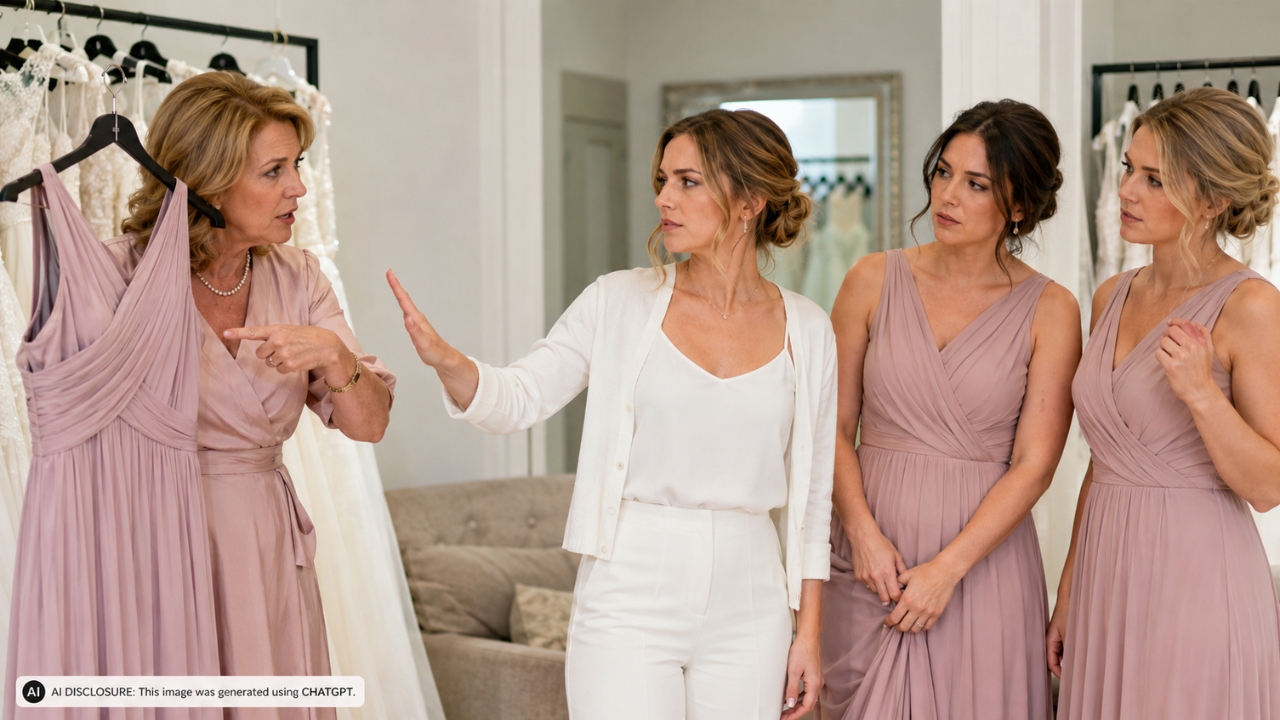
Photo credit: AI-generated image created using ChatGPT.
There’s a certain kind of family interference that doesn’t show up as yelling or door-slamming. It shows up as “suggestions,” little guilt trips, and someone acting like your wedding is a community project they’re entitled to manage.
A young bride-to-be described exactly that dynamic in the original post: she and her fiancé are paying for their own wedding, trying to keep the guest count tight, and attempting to plan a day that fits their values and relationships. Meanwhile, her stepmom keeps pushing for a bigger role, different decisions, and special treatment—starting with one oddly stubborn fight over bridesmaid dresses.
The part that makes this story relatable isn’t just the dress drama. It’s the slow creep of someone else trying to rewrite your boundaries, then acting wounded when you don’t hand them the pen.
The dress wasn’t the issue—it was the entitlement
The bride picked several bridesmaid dress options early and let her two bridesmaids—her sister and sister-in-law—choose the one they liked. They picked a dress with multiple styling options, something practical they could wear again. Simple, thoughtful, and honestly a pretty considerate approach.
Then the stepmom found the exact dress and decided she wanted to wear it to the wedding, just “in a different color.” When the bride told her no—because it’s the bridesmaid dress—the stepmom tried to negotiate like this was a minor scheduling conflict. She even suggested the bride could text her on the wedding morning with details so she could style hers differently.
That’s not collaboration. That’s someone treating the bride like an event coordinator for her stepmom’s outfit plan, on the bride’s own wedding day.
A firm “no” is a complete sentence
What I respect here is how plain the bride kept it. She didn’t over-explain or bargain. She didn’t get pulled into a courtroom-level argument about colors, straps, or “but it’s technically different.” She said she didn’t want her stepmom wearing the bridesmaid dress, and she wasn’t going to spend her wedding morning managing her stepmom’s workaround.
That’s what healthy boundaries look like in real life. Not dramatic, not cruel—just clear and consistent. People who benefit from blurred lines always act like clarity is an attack.
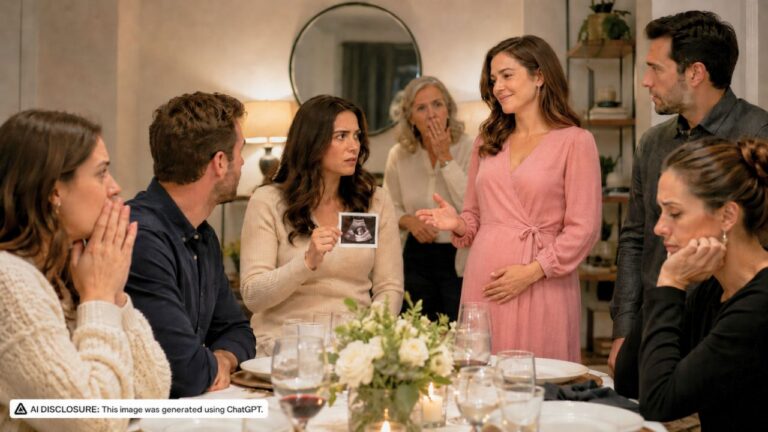
It also matters that her dad stepped in at the dinner table and told his wife to pick a different dress. A lot of wedding pressure comes from dads who don’t want conflict and choose passivity instead. In this case, he did the basic, decent thing: he backed his daughter’s decision and shut down the argument.
When someone insults you behind your back, they’ve told you who they are
The bride later heard, through her brother’s girlfriend, that the stepmom had been calling her “a bitch” for not allowing her to wear the same dress as the bridesmaids. The bride didn’t confront her, and I get it. Not every slight deserves a showdown, especially when you’re already busy planning a wedding and trying to keep your peace.
Still, it’s useful information. When someone can’t get their way and they switch to name-calling, they’re not confused about your boundary—they’re angry that you have one. It also reveals the real goal: control and attention, not “helping” or “being included.”
The bride’s grandmother seemed to downplay it, suggesting the stepmom wasn’t speaking out of spite. Families do that sometimes because it’s easier than facing the reality that someone in the mix is behaving poorly. But adults don’t casually insult someone they respect.
The guilt trips weren’t subtle, just familiar
The dress shopping issue followed the same pattern. The bride could only bring four people, so she brought her mom, sister, SIL, and her fiancé’s mom. She also pointed out a very human reason: her future mother-in-law doesn’t have a daughter, and they have a good relationship.
The stepmom responded with guilt: she wanted to go because she’ll “never get to experience it with her own daughter.” That’s sad, but it’s not the bride’s burden to carry. A wedding isn’t a rehab program for someone else’s disappointments, and it’s not a stage where everyone gets to resolve their unmet desires.
There’s a difference between making room for people and being managed by their emotions. Mature love makes room; immaturity demands center stage.
The aisle, the announcements, and the hunger to be seen
The bride also shared that she planned to have her brother walk her mom down the aisle so her mom wouldn’t be alone. The stepmom then pushed for her own son to walk her down the aisle. She also wanted to be announced as “stepmother of the bride,” even though the couple wasn’t doing step-parent announcements at all—only the mothers of the bride and groom alongside the wedding party.
On paper, those sound like small requests. In practice, they’re bids for public recognition. Weddings are full of symbolic moments, and some people can’t resist turning them into a scoreboard.
There’s no rule that says a step-parent must get equal ceremonial treatment, especially when the relationship isn’t close and the couple has already decided on a simpler format. Being married to the bride’s father doesn’t automatically purchase a spotlight.
The plus-one push and the reality of budgets
Then came the guest list pressure. The stepmom tried to get the bride to give her 13-year-old son a plus one because he has a girlfriend. The bride’s rule was straightforward: no plus ones for guests under 18, and they were capping the wedding around 80 to 85 people. They hit 85 and didn’t want to keep expanding.
This is where grown-up stewardship shows up. Weddings cost real money, and every extra seat is an extra meal, an extra chair, extra space, extra margin you might not have. The couple is paying for the wedding themselves. The groom’s parents surprised them by covering a $2,000 deposit, and her dad gave $200 toward decorations, but the stepmom wasn’t contributing financially.
Even if she were contributing, money doesn’t grant ownership. But when you’re not contributing and you’re still demanding exceptions, it’s hard not to see it as entitlement dressed up as “family.”
How a couple stays unified under family pressure
The best detail in the whole story is quiet: the bride and groom are on the same page. He agrees with her that the stepmom shouldn’t be calling shots. That unity matters, because families tend to test the seams of a marriage before the vows are even spoken.
A wise couple decides early whose voice counts in their home. Parents can be honored without being obeyed. Step-parents can be respected without being indulged. Marriage is the beginning of a new household, and the first job is protecting it—from overspending, from conflict, and from the subtle manipulation that turns “help” into control.
If faith has anything to say here, it’s that humility and love don’t demand a microphone. People who serve quietly rarely need a title, an announcement, or a special walk down the aisle to prove they matter.
The bride didn’t “shut down” her stepmom with cruelty; she shut it down with boundaries. She chose clarity over chaos, and she refused to spend her wedding day managing someone else’s ego. That’s not being difficult—that’s being an adult, building a marriage with intention, and refusing to start the rest of your life on somebody else’s leash.
Read more from Thrive Girly:
- Mother-in-Law Expected to Sleep Over After Every Visit — Then the Mom Said Overnight Stays Were No Longer an Option
- Relatives Showed Up to the Wedding Without Being Invited — Then the Couple Refused to Find Them Seats
- Grandma Buckled the Baby Into Her Car and Left Without Telling Anyone — Then the Mom Made Sure It Never Happened Again