Her Aunt Secretly Rewrote Her Dementia-Stricken Grandfather’s Will to Steal the Family Home — Then She Banned Her From the Wedding

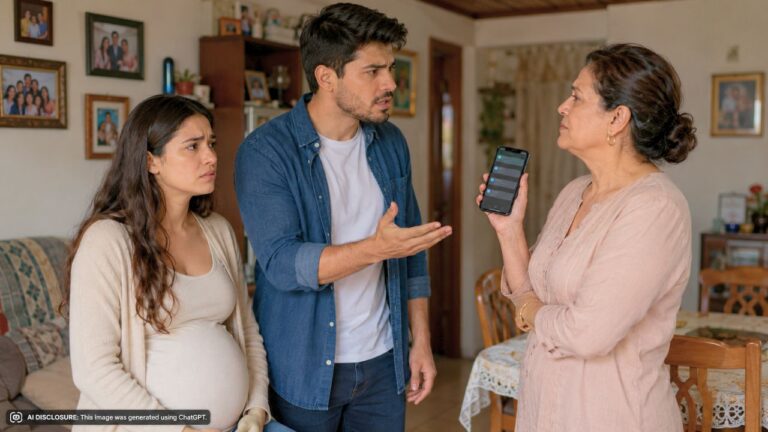
Photo credit: AI-generated image created using ChatGPT.
There are a few things that can sour a family faster than money, and real estate is near the top of the list. Put a childhood home in the mix—one built by multiple generations—and people start acting like they’re entitled to more than they ever earned. That’s where one engaged woman found herself after her aunt made a play for the family house while the woman’s grandfather was slipping deeper into dementia.
In the original post, the 27-year-old explains she’s planning a destination wedding and drawing a hard line: her aunt isn’t invited. The reason isn’t a petty grudge or some old disagreement about holiday seating. It’s that her aunt allegedly had a lawyer friend rewrite her grandfather’s will in 2022 so the aunt would inherit his and the grandmother’s portions of the deed—despite the family saying he wasn’t in a mental state to make those decisions.
Now her grandmother is pressuring her to “forgive and move forward,” even suggesting the isolated destination venue could force reconciliation. The bride-to-be isn’t interested. She doesn’t want her wedding week turned into a forced mediation session with someone who hasn’t apologized and, by her account, tried to take what the family built together.
A will changed in the shadows
The family history matters here. In the 1990s, the engaged woman’s grandparents and parents built a home together, with all four on the deed. She grew up close to her grandparents and was raised by them during the workday, which makes the home feel like more than a property—it’s tied to her childhood and her idea of family continuity.
By the 2010s, her grandfather began showing signs of dementia and was formally diagnosed before the COVID era. Isolation accelerated his decline, and by 2022, she says he could barely remember basic facts like names, dates, and his own age. That’s the year the family later discovered the will had been rewritten in a way that favored the aunt.
The aunt’s explanation, as presented in the post, was that she was “fulfilling his wishes.” Maybe she believes that story, maybe she doesn’t, but the timing is the kind of detail that makes people’s stomach drop. A will changed behind everyone’s back, via a “lawyer friend,” while a vulnerable man is losing his grip on reality is the sort of thing that doesn’t require a dramatic soundtrack to feel wrong.
The family’s response: sell it before she can profit
When the will change was discovered during efforts to get the grandfather on Medicaid for memory care, the family made a move that was both practical and painfully symbolic: they sold the house while he was still alive. The goal was straightforward—don’t let the aunt benefit from the altered will and don’t let the family home become a prize for someone they believed acted in bad faith.
According to the post, the aunt tried twice to stop the sale by claiming she was on the deed. Those efforts failed because, when brokers checked, her name wasn’t on it. The aunt then accused them of “financially ruining her,” which is a revealing complaint. People who feel entitled to an inheritance often talk like it’s a paycheck that’s been withheld, not a gift that was never guaranteed.
The house sold in 2024, and a portion of the proceeds went to the grandparents to provide a nest egg. The grandmother later used her money to buy her own home—described as the first she’s ever owned by herself—after the grandfather died. Meanwhile, the aunt is now reportedly trying to get herself added to the grandmother’s will to claim the new house one day.
Why weddings aren’t rehab centers for broken families
A wedding day has a job to do. It’s meant to mark a public, joyful covenant—two people stepping into a new household with clarity, support, and peace. It’s not designed to be a pressure-cooker where relatives are trapped together and told to “work it out” because the scenery is pretty and everyone’s wearing formal clothes.
The bride’s concern is especially reasonable because this is a destination wedding. A local wedding gives you natural escape routes: you can leave early, go home, cool off, create distance. Destination settings tend to remove that, and the phrase “isolated with her for a week” is not an exaggeration if the whole event is travel, lodging, group meals, and scheduled activities.
People sometimes confuse “family unity” with “forced proximity.” They’re not the same thing. Unity takes honesty, repentance when necessary, and the ability to sit in a room without pretending the harm never happened.
Grandma’s pressure is familiar—and still misplaced
The grandmother, in this story, seems to be operating from a lifetime habit: protect the fragile child at all costs. The aunt is described as the one who needed “coddling,” and the grandmother has a reputation for making excuses because she “doesn’t want to hurt her feelings.” That dynamic doesn’t go away as everyone gets older; it just becomes more expensive.
There’s a particular kind of family pressure that comes from the older generation when they’ve spent decades smoothing over messes. They don’t want to face the reality that the person they’ve protected has become a threat to the rest of the family. So they ask the healthier people to swallow it “for the sake of peace,” even if it’s not peace at all—just quiet.
It’s also possible the grandmother is exhausted. Dementia caregiving, memory care decisions, Medicaid paperwork, estate stress—those things grind people down. When you’re tired, you’ll do almost anything to avoid another conflict, even if that means asking someone else to carry the burden.
Forgiveness doesn’t mean access
A lot of folks use the word “forgive” when they really mean “act like it didn’t happen.” Forgiveness is a spiritual and moral decision to release vengeance and refuse to nurture hatred. It doesn’t automatically restore trust, and it certainly doesn’t require inviting someone into the most intimate moments of your life.
If the aunt has never admitted what she did and won’t apologize, then reconciliation isn’t even on the table. Reconciliation requires truth-telling. It requires the offending party to stop rewriting the story and accept responsibility for the damage, especially when that damage involves a vulnerable elder and the security of the family.
In plain terms: you can forgive someone in your heart and still keep your door locked. You can pray for them and still decline their RSVP. That isn’t bitterness; it’s stewardship of your home, your marriage, and your wedding day.
The hard lesson about inheritance and character
This story is a reminder that inheritance can reveal what’s already in a person. When money is on the horizon, some people become more generous and some become more grasping. The aunt’s reported complaint—being “financially ruined” because she couldn’t profit from a house she wasn’t on the deed for—sounds less like need and more like entitlement.
The saddest part is that a home built by four adults and filled with family history ended up being sold to prevent exploitation. That’s the kind of thing that leaves a bruise. Even if selling was the right decision, it can still feel like losing something sacred because someone else couldn’t be trusted.
Families often avoid dealing with this kind of character issue until it’s too late. They keep hoping the difficult relative will change on their own, and in the meantime, they leave elderly parents exposed and younger relatives disillusioned. Wisdom says you don’t wait for proof that someone is dangerous after they’ve already gotten the keys.
Setting the boundary without turning the wedding into a war
If you’re in a situation like this, the boundary needs to be calm, clear, and unromantic. Not inviting someone isn’t a speech, it’s a decision. The bride can tell her mother and grandmother, respectfully, that the wedding isn’t a negotiation table, and that she won’t be spending her wedding week bracing for conflict.
It also helps to keep the focus where it belongs: on the marriage. A wise couple protects their early days from chaos they don’t need. You don’t start a new household by handing the steering wheel to the most unstable person in the family, especially someone who has already shown a willingness to work angles behind closed doors.
And if the grandmother insists on being upset, that’s painful but not fatal. Adults are allowed to be unhappy with your boundaries. The goal isn’t to make everyone comfortable; it’s to do what’s right and to build a life where your home—your new home—doesn’t get held hostage by the same old dynamics.
Some families only function as long as everyone agrees to pretend. This couple is choosing something better: an honest start, a clean guest list, and a wedding that doesn’t reward manipulation. If the aunt ever comes around with real ownership and humility, there may be a path back. Until then, a destination wedding is no place to test whether someone who tried to take the house has learned to respect a boundary.
Read more from Thrive Girly:
- Mother-in-Law Expected to Sleep Over After Every Visit — Then the Mom Said Overnight Stays Were No Longer an Option
- Relatives Showed Up to the Wedding Without Being Invited — Then the Couple Refused to Find Them Seats
- Grandma Buckled the Baby Into Her Car and Left Without Telling Anyone — Then the Mom Made Sure It Never Happened Again