Her Mom Blew Up Her Phone After She Found Her Wedding Dress Without Her — Then the Bride Uninvited Her From the Wedding

Photo credit: AI-generated image created using ChatGPT.
There are a few moments in wedding planning that are supposed to be simple wins. Finding the dress is one of them. You’re not curing disease; you’re choosing a piece of fabric that helps your bride feel like herself on a day you’ll remember for the rest of your life. So when that moment gets hijacked by family drama, it tells you something important about what the rest of the road might look like.
In the original post, a 27-year-old woman shared that after 11 years with her fiancé, she finally got engaged at Christmas. Instead of receiving steady support, she’s dealt with years of tension—especially from a mother who has been openly unkind to the groom because he didn’t come from a wealthy family, and who seems resentful of the close bond the bride has with her future mother-in-law.
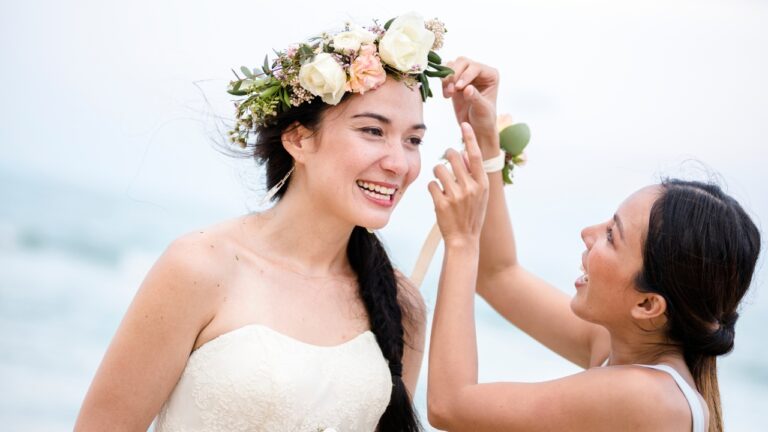
The latest blow-up happened during dress shopping. The bride went with her future mother-in-law and sister-in-law because her parents had moved south, and she’d been advised to shop early since dresses can take time to arrive and be altered. Her mother knew about the appointment, didn’t answer calls, and then “blew up” her phone once she learned the bride found the dress without her, turning a celebration into an argument.
A wedding doesn’t fix a broken family system
Some families treat weddings like a reset button. They figure the engagement ring means everybody will suddenly behave, old grudges will evaporate, and the difficult people will become gracious and supportive. That’s a nice thought, but it’s usually fantasy.
What a wedding does is amplify what’s already there. If a mother has spent years belittling a daughter’s choices, she’s not likely to transform into a gentle guide because there’s a seating chart and a florist involved. If anything, the pressure and attention of a wedding season can give controlling people more opportunities to demand their way and punish you when they don’t get it.
The dress fight isn’t about the dress
On paper, this looks like a disagreement over scheduling: the mother wanted dress shopping to happen during a visit next month, while the bride felt pressure to buy earlier. But the emotional intensity doesn’t match the logistical problem, which is how you know the dress is just the trigger.
The mother’s reaction reads like a protest against losing control. The bride tried to include her with FaceTime and photos, and still got punished for not doing it “her way.” That’s not a relationship built on shared joy; it’s a relationship built on compliance. A healthy parent might be disappointed to miss the appointment, but she wouldn’t ruin the moment while employees are taking measurements and finalizing the order.
Old patterns show up at the worst times
The bride also described her mom as a bully through most of her life. She says it doesn’t bother her like it used to after personal growth in the last several years, but growth doesn’t erase the damage other people are still committed to doing. It just helps you notice it faster and tolerate it less.
And then there’s the fiancé: the mother has treated him poorly for years because of money and background. That kind of snobbery is more than bad manners; it’s a character issue. A man can handle a lot, but it’s hard to build a peaceful marriage when one side of the family feels entitled to disrespect the husband and still expects a front-row seat.
The brother problem sounds like a history of disrespect
The mother isn’t the only concern. The bride also brought up her brother, eight years older, and a relationship that’s been strained for a while. She described skipping his 2022 wedding after conflict over his and his wife’s explanation for missing her college graduation, and she doesn’t paint their relationship as close or warm now.
She also described the brother and his wife as performative and drama-prone, and added that the wife’s family is “extremely racist and transphobic,” which matters because the bride’s sister is trans. Even if you set aside the graduation story, a wedding is not the place to gamble with someone’s dignity or safety. If you have reason to believe guests will stir up rumors, create scenes, or treat your sister with contempt, you’re not obligated to “keep the peace” by exposing her to that.
Uninviting family is serious, but so is protecting your home
Her fiancé worries that uninviting them could cause more problems and become a regret. That’s not a weak concern; it’s the voice of a man who wants peace and doesn’t want his bride carrying lifelong guilt. Most decent men would rather absorb some discomfort than be the reason a woman is estranged from her family.
Still, marriage is the forming of a new household, and it comes with new priorities. A wedding is a public celebration of that shift. If certain people have shown they can’t honor the couple, can’t behave, or can’t stop making major moments about themselves, then the couple has to decide whether “family” is being used as a weapon to force access.
There’s also a middle ground that a lot of couples ignore: boundaries with conditions. Sometimes the right move isn’t a dramatic ban, but a clear standard: show respect to the groom, do not harass the bride, do not target the sister, do not stir conflict, and if you can’t agree, you won’t attend. The challenge is that conditions only work if the couple is willing to enforce them, quickly and without bargaining.
What a steady groom should be thinking about right now
Even though this story centers on the bride, there’s a lesson here for men who are engaged or newly married. Your job isn’t to be the hero who “fixes” her family, and it isn’t to be so conflict-avoidant that you sacrifice your wife’s peace to keep things polite. Your job is to stand with her, think clearly, and help build a home where respect is the baseline.
That means asking practical questions. If her mother shows up at the wedding angry and entitled, who has the authority to remove her if she causes a scene? If the brother and his wife start spreading rumors or baiting conflict, who shuts it down? If the sister is disrespected, what’s the plan in the moment—not later, not in a text argument the next week, but right then?
A lot of men learn too late that passivity isn’t kindness; it’s just outsourcing the hard work to your future wife. If she’s been bullied for years, she doesn’t need a fiancé who tells her to “just ignore it.” She needs a husband who helps make sure the bullying doesn’t get a microphone at their wedding.
How to decide without letting fear make the call
The bride said she wants to enjoy her wedding and be present, not bracing for sabotage. That’s a reasonable desire, not selfishness. The question is whether her mother and brother have shown any ability to show up with humility and goodwill, or whether they reliably turn big moments into power struggles.
If the pattern is consistent—disrespect toward the groom, jealousy toward the future mother-in-law, drama that steals attention—then hoping for a sudden change is not a strategy. At the same time, if she uninvites them, she should be prepared for fallout and be sure she’s doing it from conviction, not from a desire to punish. Clear-eyed decisions hold up better than emotional ones.
One helpful test is this: if they were not related by blood, would they be invited? If the honest answer is no, then the only remaining reason to invite them is fear—fear of gossip, fear of extended family backlash, fear of being labeled ungrateful. Fear is a poor wedding planner.
Some people will call it harsh. Others will call it necessary. Either way, a wedding is not a courtroom where you litigate your whole family history. It’s a day of vows, witnesses, and celebration. The people closest to you should be the ones most committed to honoring the marriage you’re building.
Read more from Thrive Girly:
- Mother-in-Law Expected to Sleep Over After Every Visit — Then the Mom Said Overnight Stays Were No Longer an Option
- Relatives Showed Up to the Wedding Without Being Invited — Then the Couple Refused to Find Them Seats
- Grandma Buckled the Baby Into Her Car and Left Without Telling Anyone — Then the Mom Made Sure It Never Happened Again