Stepmom Expected Her Entire Extended Family at the Wedding — Then the Bride Asked Her to Name One Reason They’d Earned a Seat
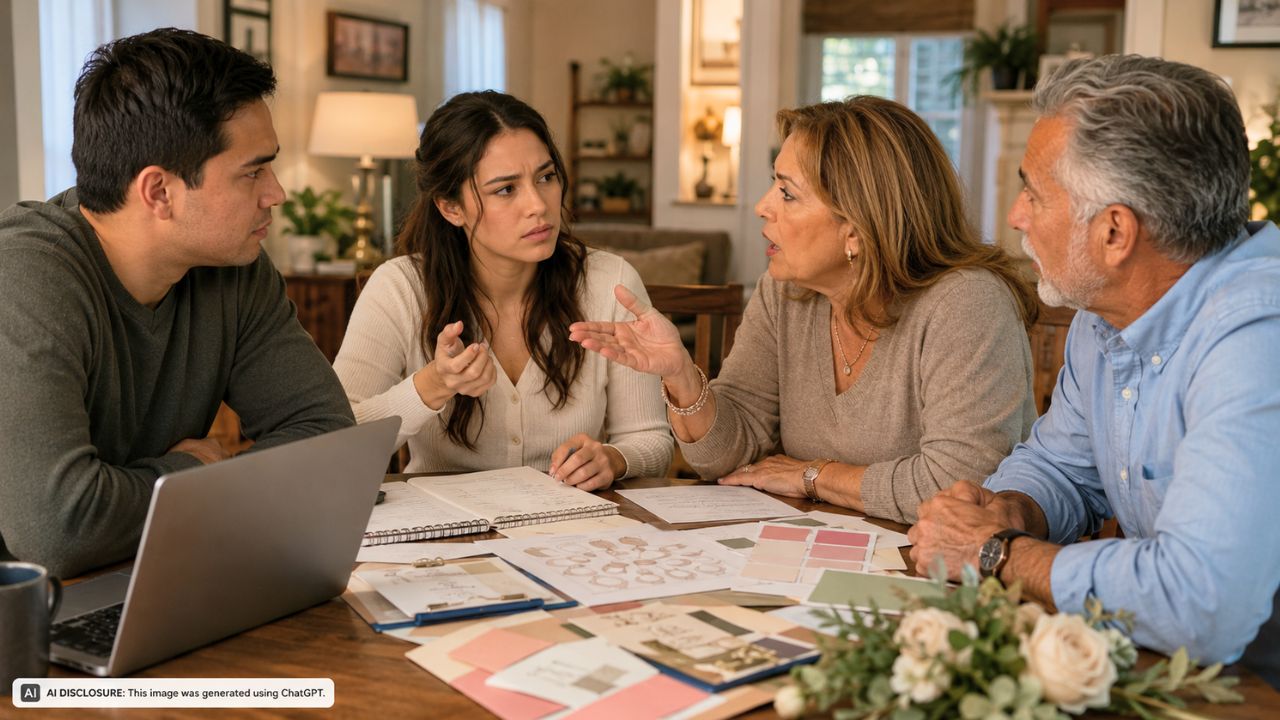
Photo credit: AI-generated image created using ChatGPT. Illustrative only.
Wedding planning is stressful enough when you’re juggling budgets, venues, and seating charts. It gets a whole lot messier when the guest list turns into a referendum on who counts as “real” family.
That’s where one 26-year-old bride found herself: paying for her own wedding, trying to keep the day peaceful, and getting pressure from her dad and stepmom to invite a whole group of people she doesn’t feel close to. Not a couple extra seats. Extended family—people with a history of taking things personally and making it everyone else’s problem.
She’s paying for the wedding, but the guest list still became a battleground
The bride made one thing clear from the start: she and her fiancé are covering the wedding costs with zero financial help. Her dad, stepmom, and her maternal relatives are all invited, and she describes both sides as important parts of her life.
So when her stepmom started pushing for her own extended family to be included, it wasn’t framed like a casual “could we add a few people?” It came with the expectation that of course they should be there—despite the fact that the bride says she doesn’t have a real connection with them.
From her perspective, inviting people she wouldn’t stay in touch with—especially if her dad divorced or died—felt wrong. She didn’t want the wedding to turn into a courtesy invite parade… or worse, a gift grab situation where people she barely talks to show up because they feel entitled to a seat.
The problem started years ago, when “stepmom” wasn’t good enough
This didn’t come out of nowhere. The bride’s mom died when she was young, and her dad remarried when she was 10—two years after the loss. That kind of change is already a lot for a kid to process, but she says the real friction started after the wedding.
According to her, her stepmom’s family got annoyed that her late mother’s relatives didn’t treat the stepmom like she was part of their family. They also took issue with the bride calling her “my stepmom” instead of “my mom.”
What stings is the bride’s point that her mom’s family wasn’t even hostile. They simply used the accurate title: stepmom. But the stepmom’s relatives treated that like disrespect, and the resentment grew into something that lingered for years.
A sweet 16 set the tone for how this family handles control
One moment in particular made it clear how far this could go: her sweet 16. Her dad didn’t want to invite her mom’s family because he said their presence would make her stepmom and her family uncomfortable.
The bride pushed back with a question that basically said everything: Who is the party for? She told them that if her stepmom’s relatives had an issue with her actual family being there, they didn’t have to attend.
Instead of absorbing that, her stepmom told her family, and they blamed the bride’s maternal relatives for the tension. The bride remembers them acting offended that she wanted the people she truly considered family there, rather than people who felt like “sorta family” but never really became her people.
That history matters now, because it set up a pattern: when feelings get hurt, it becomes someone else’s fault, and the solution is usually to pressure the bride to manage everyone’s emotions.
The wedding invite request came with unspoken demands attached
Fast-forward to wedding planning, and the bride could already see the risk. She says there’s a “really good chance” that having everyone together would lead to attempts at fights. Even without a blowup, she simply doesn’t want her stepmom’s extended relatives there because the relationship isn’t there.
She put her foot down and said no. That didn’t go over well with her stepmom, who was upset and wanted her family included.
Then her dad tried a workaround: he offered to pay 100% of the cost for the stepmom’s extended family to attend. He framed it as them being “sorta his guests” instead of hers, like that would make the whole issue disappear.
But it didn’t. Because the bride wasn’t only worried about the price tag—she was worried about the day itself, and what her dad was actually asking her to tolerate.
Her dad’s “compromise” fell apart as soon as she asked basic questions
The bride didn’t just slam the door; she asked practical, specific questions. If they come, will her dad keep them on a short leash so they don’t start fights? And will he make it clear they won’t be in family photos?
That’s where the “they’re my guests” argument started to crumble. Her dad admitted that if they attended, they’d likely need to be included in family photos to avoid hurt feelings and “more trouble.” He also admitted he can’t control adults.
In other words: he wanted them there, but he couldn’t promise they’d behave, and he couldn’t promise the bride wouldn’t be forced to play along with the optics. The bride heard that and kept her answer the same—no.
At that point, her dad and stepmom accused her of being a bridezilla. But from her side, it wasn’t about being demanding. It was about refusing to hand over her wedding day to people who have a track record of turning “respect” into pressure and drama.
Where it’s left now: a guest list fight with bigger emotional stakes
The bride is now stuck in that exhausting spot where holding the line makes you the villain in someone else’s story. Her stepmom wants her family there because she’s close to them, and her dad seems to want to keep the peace at home—even if it means asking his daughter to absorb the stress.
But the bride sees the writing on the wall: if she gives in, she’s not just adding names to a seating chart. She’s signing up for potential confrontations, photo-pressure, and a familiar dynamic where her mom’s side gets treated like the problem for existing.
For now, she’s keeping her guest list as-is and letting her “no” be the final word, even if it costs her some goodwill with her dad and stepmom. The full account of how it unfolded is in the original post, but the heart of it is simple: she wants a wedding filled with people who feel like family to her—not people who demand a seat because of someone else’s expectations.
And if her dad and stepmom are calling her difficult for that, it may be because they were hoping she’d do what she’s always done: keep the peace by giving up a little more than she should.