Family Members Kept Adding Their Own Names to the Guest List — Then the Bride Uninvited Everyone Who Wasn’t on the Original

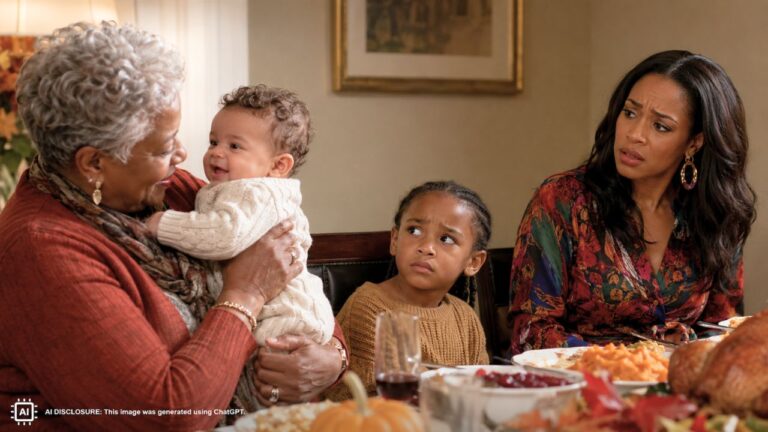
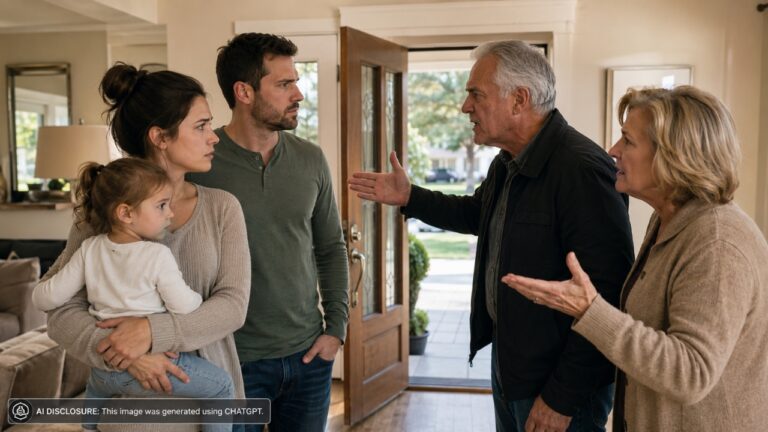
Photo credit: AI-generated image created using ChatGPT. Illustrative only.
Planning a wedding for two years usually means the big decisions are locked in. The date is set, the venue is booked, and the vibe is not up for committee edits—especially not weeks before guests are supposed to show up in their costumes and take their seats.
But one bride said that’s exactly when her family decided to stage a last-minute takeover. And instead of begging, bargaining, or trying to keep the peace, she went straight to consequences.
A Halloween wedding two years in the making
The bride explained that her Halloween wedding wasn’t some spur-of-the-moment theme. She’d been planning it for two years, and even the venue took time to secure because it had a wait list. This wasn’t a casual “we’ll throw something together” situation—it was a long build with a clear vision.
Her family had plenty of notice, too. They’d known about the date and theme the entire time. So when the wedding was suddenly labeled “satanic” by her mom and grandma, it didn’t feel like a concerned question. It felt like a late power play.
According to the original post, her mom and grandma wanted her to make last-minute changes. The bride’s answer was simple: no.
The “we’re not coming” power move
Once she refused to redesign her wedding, the reaction didn’t stay contained to the two relatives who were objecting. She said about half of her mom’s side of the family jumped in—and not in a supportive way.
Instead, people started announcing they “aren’t coming,” framed like a cute little statement of principle. Except it wasn’t cute. It was happening less than six weeks before the wedding, at the point where final headcounts matter and every seat has a cost.
This is the moment where a lot of couples panic. They start negotiating, making compromises they don’t want, and trying to coax people back onto the guest list just so the photos look normal.
She didn’t do any of that.
The bride’s response: if you complain, you’re out
The bride said she took everyone who complained, backed her mom and grandma, or generally joined the pushback and canceled their invitations. In total, she uninvited around 25 people.
Not just quietly, either. She sent what she called “uninvited invitation” notices and made it clear the guest list was being tightened back down to the original plan.
She also described an extra step that made her stance hard to argue with: updated entry control. New QR codes went out to the guests who were still invited, and the venue would be checking people in based only on those codes.
It wasn’t just, “Please don’t show up.” It was, “You literally won’t be let in.”
Even the bridal party wasn’t immune
The fallout didn’t stop with the extended family. One of her sisters appeared to step away from bridesmaid duties, and the bride didn’t plead with her to reconsider. She replaced her.
That detail matters because it shows the pattern: she wasn’t treating this like a dramatic bluff where everyone storms off and then comes back. If someone opted out—either by refusing the wedding as-is or by creating stress—she adjusted her plans without them.
And with the wedding less than six weeks away, it’s hard to miss what she was prioritizing: a calmer day, not a bigger crowd.
In her view, the timeline made the behavior worse. Two years of silence, then a wave of moral objections right at the deadline didn’t read like genuine concern. It read like pressure.
An aunt argued invitations aren’t something you can “take back”
Not everyone accepted the uninvite as final. The bride said an aunt—who was also among the relatives removed from the list—pushed back hard.
The aunt’s position was that people are allowed to disagree, and disagreement shouldn’t mean losing an invitation to an event they’d already made plans to attend. In other words: you can’t just revoke access because someone doesn’t like your choices.
The bride didn’t buy it. Her response was blunt: if they had concerns, they had two years to bring them up. Waiting until six weeks out to announce they weren’t coming, or to try to force changes, felt like deliberate disruption.
She framed it as a lesson in consequences—people made their move, and she made hers. She also made it clear she wasn’t going to be pushed into changing her wedding to keep people comfortable.
The wedding is still happening—just with a much shorter guest list
By the time she shared her story, the practical outcome was already set. Twenty-five relatives were no longer invited, and there was a plan in place to prevent any awkward “I came anyway” attempts at the door.
Emotionally, though, the situation sounded far from over. When a mom and grandma lead the charge and half of one side of the family piles on, it’s not just a seating chart issue. It’s a relationship rupture, and it tends to linger long after the cake is cut.
Still, the bride’s approach left very little room for confusion. The theme wasn’t changing. The guest list wasn’t negotiable. And anyone who tried to turn the final weeks of planning into a tug-of-war was choosing to sit this one out.
Sometimes wedding drama is about flowers, photos, or who gets a plus-one. This one was bigger: an attempt to reshape the entire event at the last minute. And in one swift round of uninvites, the bride made it clear that if her family wanted to treat her wedding like a battleground, they shouldn’t expect a seat.