She Asked for a Full Month Before In-Laws Visited — Then His Mom Said She Was Already Booked for Week Three

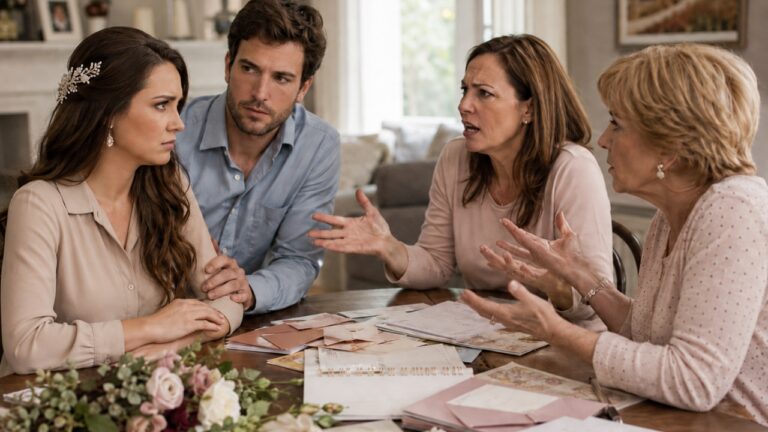
Photo credit: AI-generated image created using ChatGPT. Illustrative only.
With her due date two months away, a 30-year-old mom thought she was doing the responsible thing: talking through a postpartum plan before the chaos hits. This is baby number two, which means she isn’t going in starry-eyed. She remembers exactly how raw those first weeks felt the last time—and she’s trying hard not to repeat it.
So she told her husband what she wanted: no visits from his parents until at least a month after the birth. Not forever. Not a ban. Just a little breathing room before houseguests, expectations, and the weird pressure that comes with people flying in “for the baby.”
Last time, the visit wasn’t “help,” it was a performance
Her reasoning isn’t theoretical. When her first baby was four weeks old, her in-laws flew in from a few hours away by plane and expected a certain kind of visit—one centered on bonding time, baby cuddles, and long stretches of holding the newborn.
But the reality of a four-week-old is… not that. Wake windows are short, feeding takes forever, and naps happen constantly. The mom was also nursing, and she wasn’t comfortable breastfeeding around her in-laws, so she’d take the baby into another room to feed.
To her in-laws, that meant they were being “kept” from the baby. They complained they didn’t get enough time to hang out because the baby wasn’t doing contact naps with them and because nursing kept pulling the baby away. At some point, they even tried to leave early, which only made the new mom feel more guilty and more cornered.
She described crying all day in her room—and then, overwhelmed and wanting the tension to stop, she gave them the baby for a full day. It wasn’t what she wanted. It was what she felt pushed into.
This time, she asked for space—and her husband heard “unfair”
Now, facing postpartum round two, she’s trying to set herself up for a calmer experience. A month without visitors isn’t about punishing anyone. For her, it’s about recovery, privacy, and not having to manage other people’s emotions while she’s bleeding, exhausted, and learning a whole new rhythm with two kids.
Her husband, though, immediately went to fairness. He thinks his parents got limited time with their first child compared to her parents. And he’s not wrong that there was a difference—just not the difference he’s focused on.
She explained it plainly: she was comfortable nursing around her own parents, so she didn’t have to disappear into another room every time the baby needed to eat. And her parents came to help, not to rack up bonding hours like they were on a schedule.
Still, her husband hasn’t let go of how bothered he felt during that first visit. He says he’ll support whatever she wants, but she can sense the resentment forming under the surface if she sticks to the “one month” rule.
The pressure got heavier when his parents called themselves “unappreciated”
As if the private disagreement between spouses wasn’t enough, his parents recently brought up a complaint that hit her right where she’s most sensitive. They told them they feel unappreciated—and they used that postpartum visit as proof.
In other words: not only did they feel shortchanged back then, they’re still holding onto it now. And they’re framing it like a character flaw on the couple’s side, not a normal consequence of visiting brand-new parents with a newborn schedule.
That matters, because it changes the tone of any future visit. A helpful guest doesn’t keep score. A guest who arrives already feeling “owed” is basically walking in with a list of grievances and a mental stopwatch.
So when the mom says she wants peace postpartum, she doesn’t just mean fewer people in the living room. She means fewer emotional landmines.
It’s not just about a visit—it’s about access on their terms
The core of her worry isn’t that her in-laws want to meet the baby. It’s that they want the baby experience to look a certain way—one that revolves around them feeling bonded, included, and satisfied with how much time they got.
Last time, she had a routine and rules. She wasn’t doing contact naps with visitors, she was nursing, and she was trying to keep her baby regulated. Her in-laws didn’t simply adapt. They complained they were bored. They treated her normal newborn-care choices like an obstacle.
And when they didn’t get the visit they imagined, they tried to cut it short—an action that, whether they meant it or not, put pressure on the new mom to “fix it” by handing the baby over. Which is exactly what happened.
Now she’s trying to avoid a repeat: the guilt spiral, the tears, the sense that she’s hosting a disappointment instead of recovering from childbirth.
Her husband’s concern, though, seems to be about symmetry. If her parents got time, his parents should get time. But postpartum isn’t a pie chart, and “equal” doesn’t always mean “same.” Different guests bring different comfort levels, different expectations, and different burdens.
She’s stuck between protecting her recovery and keeping the peace
What makes this situation so sticky is that she isn’t trying to shut anyone out. She’s actively thinking about everyone’s feelings—including her husband’s—even while she’s the one who will be physically recovering and doing the early feeding work.
At the same time, she knows what happens when she ignores her own needs to keep other people happy. She’s already lived the version where she cries alone in a room while guests complain they aren’t getting enough baby time.
The month-long pause she’s asking for is basically her attempt to build a buffer: enough time to heal, settle into a rhythm, and feel confident before adding in visitors who previously made postpartum harder. She doesn’t want another trip where she feels she has to choose between her baby’s routine and her in-laws’ feelings.
And she doesn’t want to start her postpartum period with an unspoken threat hanging over her—support now, resentment later.
Where it stands now
For now, the issue is still unresolved. Her husband says he’ll back her up, but he also clearly feels the imbalance and is carrying old disappointment from the first postpartum visit. Meanwhile, his parents have already positioned themselves as the ones who were wronged, using the previous newborn stage as evidence they weren’t valued.
The mom’s biggest fear isn’t a single awkward visit. It’s the familiar pattern: expectations, complaints, guilt, and then her giving up her comfort to stop the tension. She’s trying to plan ahead so she doesn’t end up handing over her newborn just to keep the adults in the room happy.
Her full account of the dilemma is in the original post, but the emotional math is simple: she’s choosing between a calmer postpartum and a “fair” schedule that didn’t feel fair to her body, her privacy, or her mental state the first time.
And with baby number two on the way, she’s not asking for a perfect month. She’s asking for a survivable one.