Woman Didn’t Tell Her Roommate She Owned the House — Then the Power Dynamic Exploded

Photo credit: Dragana Gordic/Shutterstock.com
A woman who rented out a room in her home said she did not think her roommate needed to know one specific detail right away: she owned the house.
To her, the arrangement was simple. She had a home, she had extra space, and she rented one room to a roommate. The roommate paid rent, shared common areas, and had the rights that came with living there. The owner did not think announcing “I’m also your landlord” needed to be part of their everyday dynamic.
At first, that seemed to work.
The roommate moved in, the arrangement ran like a normal shared housing setup, and the owner tried to keep things low-key. She wanted to live peacefully with another person, not create a weird hierarchy where every disagreement felt like tenant versus landlord.
But eventually, the truth came out.
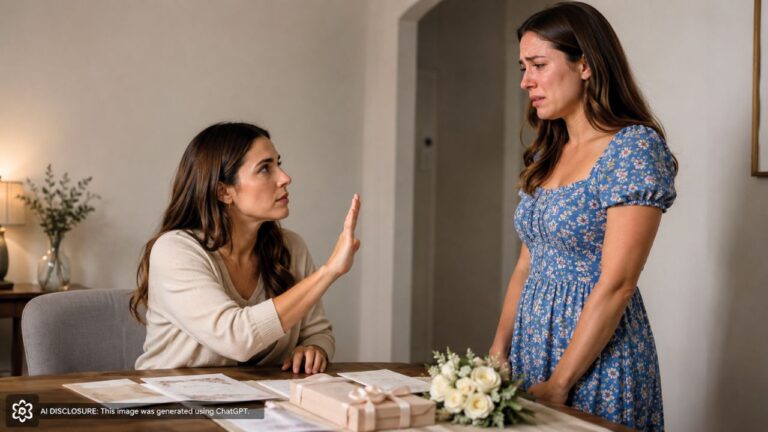
The roommate learned that the woman she had been living with was not just another renter. She was the homeowner. That changed the roommate’s perception of everything. Suddenly, normal house rules, rent conversations, and shared-space expectations felt different to her. She felt misled and believed the owner had hidden something important.
The owner did not see it that way. From her perspective, the roommate had agreed to the rent, the room, and the living situation. The ownership detail did not change the space she was renting or the terms they had discussed.
But the roommate felt embarrassed and angry.
According to the Reddit post, the conflict turned into a bigger argument about fairness, honesty, and power. The roommate accused the owner of being deceptive. The owner argued that she had not lied; she simply had not volunteered personal financial information.
That distinction became the heart of the fight. Was the owner required to tell a roommate she owned the house? Or was it enough that the roommate knew what she was renting, what she owed, and what the house rules were?
The roommate’s reaction also brought up a practical concern. If she had known the owner was also the landlord, would she have acted differently? Would she have worried that every disagreement could affect her housing? Would she have chosen a different place to live? The owner may have wanted to avoid a power imbalance, but not disclosing it may have made the imbalance feel worse once the roommate found out.
The tension grew because both women had a point, at least emotionally. The owner had a right to privacy and did not need to give a full financial biography to someone renting a room. But the roommate also had a reasonable interest in knowing who had authority over her housing situation, especially when that person shared the kitchen, living room, and hallways with her.
In the update, the owner seemed to realize the issue was not only about technical truth. She had been thinking like a homeowner who wanted peace. The roommate was thinking like a tenant who suddenly discovered the person she vented to, argued with, and lived beside also had legal control over the roof over her head.
That created discomfort that could not be easily untangled.
The living arrangement did not immediately become impossible, but the trust had been damaged. Once the roommate felt misled, every house conversation had a new edge. Small disagreements carried more weight. The owner’s attempts to explain herself sounded, to the roommate, like excuses.
The story became less about a secret house deed and more about how shared housing depends on clear expectations. A person renting a room may not need to know every detail about the property owner’s finances, but knowing whether a roommate is also the landlord can shape how safe and equal the arrangement feels.
By the end, the owner had to consider that even if she had not intended to deceive anyone, the omission created a problem she could have avoided with a simple conversation before move-in.
Commenters were split, but many thought the owner should have disclosed the arrangement upfront. They said a tenant has a right to know whether the person living in the next bedroom also has landlord authority.
Others defended the owner, saying she did not lie about the room, rent, or house rules. They argued that ownership was private financial information and that the roommate was not entitled to every detail of her situation.
A lot of readers landed in the middle. They said the owner’s intent may have been harmless, but the roommate’s reaction was understandable. Finding out later can make a person feel foolish or trapped, even if the lease terms never changed.
The strongest reaction was that clarity prevents drama. If someone owns the house and rents out a room, saying that upfront may feel awkward, but it keeps the power dynamic honest from the beginning.