Tenant Said “I Pay Rent, So I Own This House” — Then the Five-Year Update Showed How Bad It Got
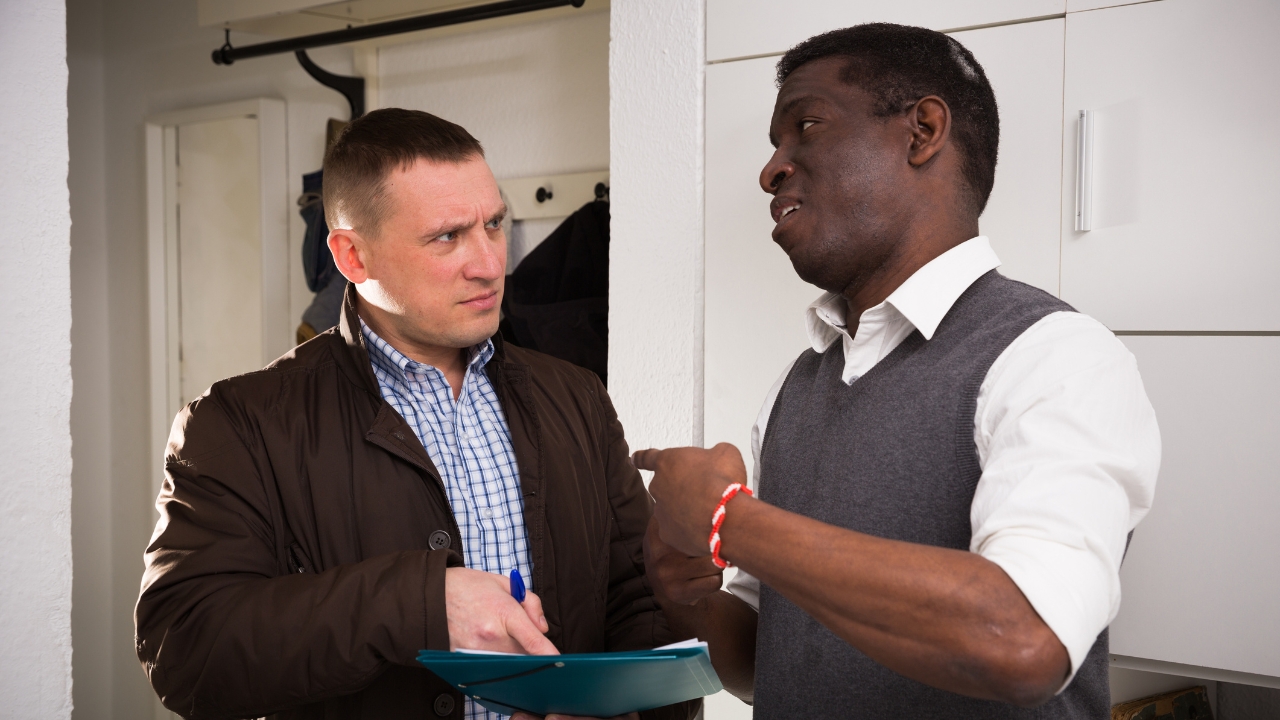
A homeowner who rented out a room said he thought he was dealing with a normal tenant problem at first. One person was living in the house, paying rent for a room, and sharing common spaces under the usual arrangement.
Then the tenant started acting like rent gave him ownership.
The homeowner explained that he owned the house and rented a room to a man who seemed fine at the beginning. The tenant had access to his room and shared areas, but he did not own the property. He was not on the deed. He had not bought into the house. He was renting space.
That distinction seemed obvious.
The tenant did not treat it that way.
According to the Reddit post, the tenant began saying that because he paid rent, he “owned” the house too. At first, it may have sounded like the kind of absurd statement someone says during an argument. But the tenant seemed to mean it. He acted as if paying monthly rent gave him authority over the whole home.
That caused immediate tension. Renting a room gives someone rights. It gives them a place to live, privacy in their rented space, and legal protections that matter. But it does not turn them into a co-owner. The homeowner was not trying to deny that tenants have rights. He was pushing back against the idea that a renter could simply claim ownership because money changed hands every month.
The tenant’s behavior became more difficult as the argument went on. He wanted more control over the home, more say over the property, and more power in a house that did not belong to him. The homeowner found himself stuck in that awful gap between property law and real life: even when someone is clearly wrong about ownership, getting them out of your home can still require careful legal steps.
Commenters warned him not to treat the tenant’s claim as harmless just because it was ridiculous. A person living inside your home who believes they have ownership rights can make life miserable fast. They urged the homeowner to document everything, avoid emotional arguments, and follow the proper eviction process if the tenant refused to calm down or leave.
The homeowner eventually moved toward getting the tenant out, but the situation did not vanish neatly. It became one of those long-running housing nightmares where every step required patience, paperwork, and restraint.
The five-year update made the original conflict look less like a one-off strange argument and more like the start of a much bigger lesson.
Years later, the homeowner came back with the kind of update that makes people wince because the problem had not simply ended and disappeared. The tenant’s behavior had affected the homeowner’s sense of safety, trust, and willingness to rent space again. Even after the immediate situation was resolved, the experience stayed with him.
The update showed how a bad tenant can do more than cause a few months of stress. It can change how a person feels about their own home. A house is supposed to be the one place where the owner can relax. When someone inside that house starts claiming authority they do not have, arguing over rights they misunderstand, and treating basic boundaries as oppression, the home stops feeling fully yours for a while.
The story also exposed a common confusion in shared housing. Tenants absolutely have legal protections, and landlords cannot ignore those protections just because they own the property. But tenant rights are not ownership rights. Paying rent means paying for the right to occupy a space under agreed terms. It does not make someone a co-owner, and it does not give them control over the whole property.
That difference became the heart of the fight. The tenant seemed to think rent bought power. The homeowner understood rent bought occupancy.
By the end, the homeowner’s experience became a warning about renting rooms in your own house. Written agreements matter. Clear boundaries matter. Knowing local tenant laws matters. And if someone starts saying “I pay rent, so I own this house,” it is probably time to stop laughing and start documenting.
Commenters were stunned by the tenant’s claim but also warned the homeowner not to underestimate it. Many said the idea that paying rent creates ownership is legally absurd, but a person does not have to be legally correct to cause serious trouble.
A lot of readers urged the homeowner to follow proper eviction procedures instead of trying to force the tenant out informally. They pointed out that even unreasonable tenants may still have legal protections, and mishandling the removal could create more problems.
Several commenters focused on the difference between tenant rights and ownership rights. They said renters should be protected from abusive landlords, but that does not mean they get to claim a deed-level stake in a house because they paid rent for a room.
The strongest reaction was that homeowners renting out rooms need clear written agreements from the start. A casual setup can feel easier in the beginning, but when someone misunderstands or abuses the arrangement, the lack of clarity can turn a home into a legal and emotional mess.