Woman Says Her Mother-in-Law Wants To Stay During Her First Postpartum Week
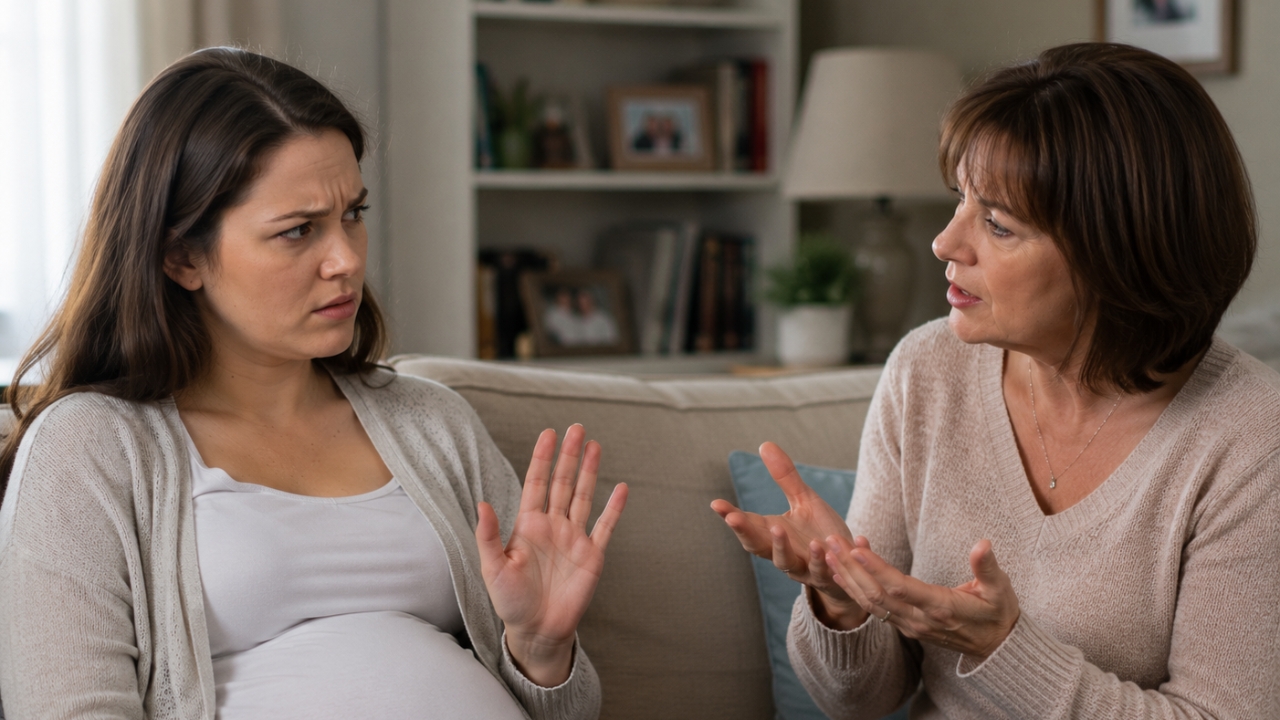
Photo credit: Thrivegirly
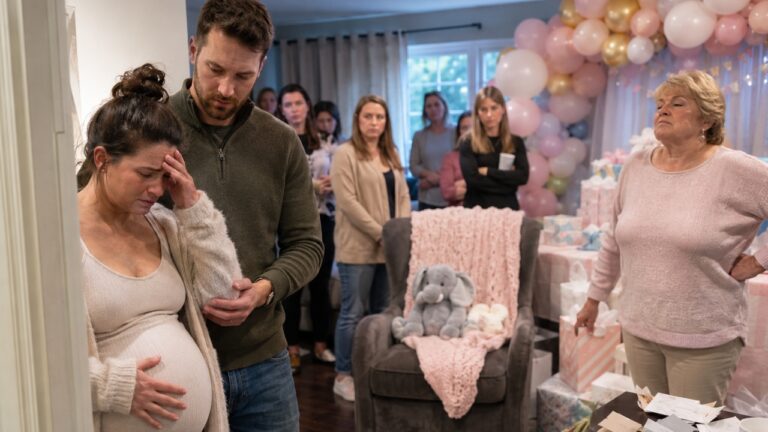
A pregnant woman said she had already arranged the kind of help she wanted after giving birth, only for her husband to tell her his mother would now be staying in their home during her first postpartum week.
The woman shared the situation on Reddit, explaining that she was due to give birth in January. Because of work, her husband would not be able to take paternity leave. He would be with her at the hospital, then home after work, but she would spend most of the day recovering and caring for the baby without him there.
Because of that, she planned ahead.
She asked her own mother if she could help during the first few days after birth, especially while her husband was working. Her mother arranged to take time off and planned to come for about four or five days. But the arrangement had clear limits. Her mother would come during the day, help the poster recover and adjust, then leave when the husband got home. She would not stay overnight.
To the poster, that felt like the best setup. She would have someone she trusted nearby while she was healing, learning to care for the baby, and possibly figuring out breastfeeding. She would also still have privacy in the evenings with her husband and newborn.
The poster said she had nothing against her mother-in-law. In fact, she said she liked her. Her mother-in-law lived in another country, and the poster had no issue with her husband sharing pregnancy updates, baby news, or the due date with his side of the family. She was happy they were excited and said she never had a problem with her mother-in-law visiting.
The problem was how the plan changed.
At first, the poster said her husband told her his mother would come for one weekend before the baby was born, stay at their house, and spend time with him. She was okay with that.
Then he suddenly told her the plan was different. His mother was now coming during the week of the delivery and staying the entire week in their home to “help” while he was at work.
The poster said he had already agreed to it before telling her.
That detail mattered. He did not ask how she felt about a houseguest while she was recovering from childbirth. He did not check whether his mother’s presence would work with the help she had already arranged. He simply informed her after the decision had been made.
The poster immediately saw the problem. Her husband would be at work all week. That meant he had agreed to his mother staying in the home, but the poster would be the one alone with her all day while healing, learning to breastfeed, dealing with pain, managing emotions, and caring for a newborn.
She told him she already had help arranged and was not comfortable hosting someone during the immediate postpartum period, especially someone she was not close to. She added that her husband and his mother had only reconnected two years earlier after decades of not speaking, so the relationship was still fairly new.
The poster also tried to explain that this was not about favoritism. Her mother’s presence was practical. Her mother was coming to care for her, not to stay overnight or expect to be hosted. The mother-in-law’s visit would feel different because she would be a guest in the house during the most physically vulnerable week of the poster’s life.
Her husband became angry.
According to the poster, he accused her of only wanting her family to see the baby and excluding his family. She said that was not true. She was not saying his mother could not visit at all. She was saying she did not want her staying in the house during the first postpartum week, especially when he would not be there most of the day.
She brought the situation to Reddit in a post titled “AITA for not wanting my mother-in-law to stay in my house during my postpartum week?”: https://www.reddit.com/r/AITAH/comments/1prbqe3/aita_for_not_wanting_my_motherinlaw_to_stay_in_my/
The conflict was not really about which grandmother loved the baby more. It was about who gets to decide what kind of support a recovering mother needs after birth.
The poster’s mother was coming because the poster asked her to. She was comfortable being vulnerable around her own mother. If she was bleeding, exhausted, emotional, struggling to nurse, or physically sore, she would not feel the same pressure to perform or host.
Her mother-in-law, even if kind, was not that person for her.
That difference can be hard for husbands to understand when they frame postpartum visits as baby access. From that angle, it may look unfair that the mother’s side gets more time while the father’s side waits. But postpartum recovery is not only about the baby. It is also about the mother’s body, privacy, hormones, feeding, pain, sleep, and mental state.
The poster seemed to feel her husband had skipped over that part entirely. By inviting his mother without asking, he had treated the home like a shared guest space instead of a recovery space for the person giving birth.
She was not banning the mother-in-law from meeting the baby. She simply wanted the first week protected. A visit later, especially when her husband was home to host his own mother, would be different. But being alone with a houseguest all day while newly postpartum felt unreasonable.
The painful part was that her husband turned the boundary into an accusation. Instead of hearing that she was uncomfortable and vulnerable, he saw exclusion. That left her defending herself at a time when she had already done the work of planning for help.
The poster’s question to Reddit came down to one concern: was she wrong for saying no after her husband had already said yes?
Commenters strongly sided with the poster and said she was not wrong.
Many said her husband should never have agreed to a postpartum houseguest without asking her first. The person giving birth, they argued, gets the strongest say over who is in the home during recovery.
Several commenters said there is a major difference between help for the mother and a visit for the baby. Her mother was coming to care for her during the day and leave at night. Her mother-in-law, by contrast, would be staying in the house and likely expecting baby time while the husband was gone.
Others pointed out that houseguests create pressure even when they mean well. A newly postpartum mother should not have to worry about meals, conversation, privacy, cleaning, or being watched while learning to breastfeed.
A common suggestion was that if the mother-in-law wanted to visit, she could stay in a hotel or rental and come over only when the husband was home. That way, he could host his own mother, and the poster would not be left managing the visit during the day.
Some commenters also suggested the poster stay with her own mother if her husband refused to change the plan. They said he made a decision without her input, so she would be allowed to make a recovery plan that protected her peace.
Several people pushed back on the husband’s accusation that she only wanted her family to see the baby. They said the baby was not the only issue. The poster’s physical recovery was the central issue, and she was allowed to choose the person who made her feel safest during that recovery.
The strongest advice was to hold the boundary now, before birth. Commenters warned that if the husband and mother-in-law were allowed to override her in the first postpartum week, it could set a pattern for future parenting decisions.
By the end of the thread, the message was clear: postpartum help should actually help the mother. If a visitor makes the mother feel like she has to host, explain, or defend herself, then it is not help. It is pressure wearing a helpful name.