Woman Says Her Friend Stole a Vintage Gold Necklace From Her Bedroom — Then Blocked Her Before She Could Get It Back
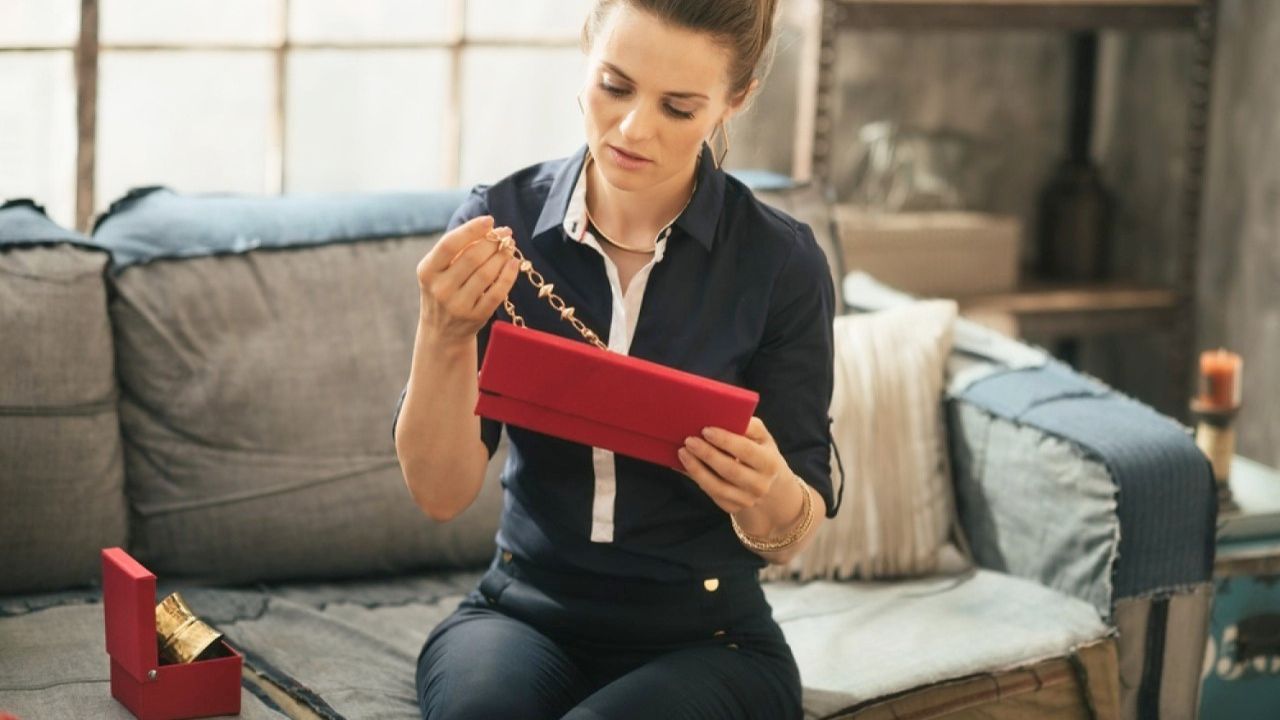
Photo credit: Alliance Images/shutterstock.com
A woman says she let a friend stay over, trusted her inside her home, and then realized a piece of jewelry had vanished from her bedroom.
It was not just any necklace.
It was a vintage gold necklace that had belonged to her late grandmother.
She explained in a Reddit post that the necklace disappeared after her friend had been at her house. At first, the situation likely had that horrible gray feeling theft often has when the suspect is someone close. You do not want to believe a friend would take from you. You second-guess yourself. You look again. You retrace steps. You wonder if you moved it, misplaced it, or somehow misunderstood.
But the more she thought about it, the clearer it became.
The necklace had been in her room, and then it was gone.
The emotional weight of the item made the loss much worse. A gold necklace has financial value, but a grandmother’s necklace carries something else too. It is a piece of family history. It is tied to someone who is no longer here. If it is lost or stolen, replacing the gold does not replace the person connected to it.
That is the kind of thing thieves either do not understand or do not care about.
The woman tried to get answers from the friend, but the situation got worse instead of clearer. The friend eventually blocked her, which made the theft feel even more obvious and more painful. If it had been a misunderstanding, a real friend could have answered questions, helped look, or at least responded with concern.
Blocking her felt like avoidance.
That left the woman wondering whether police could help. It is one thing to know, emotionally, that someone took something. It is another thing to prove it enough for police or court. With jewelry, especially small jewelry, that can be hard. Unless there is video, a confession, a pawn record, a marketplace listing, or someone else saw it happen, the victim may be stuck trying to build a case from timing and access.
Still, commenters generally told her that did not mean she had to do nothing.
The first step was likely filing a police report and giving as much information as possible: when the necklace was last seen, who had access to the room, what the necklace looked like, whether there were photos, whether it had appraisals, and whether the friend had said or done anything suspicious afterward.
Photos mattered a lot. If the necklace had appeared in family pictures, old photos, social media posts, or pictures of the grandmother wearing it, that could help show ownership and identify it if it turned up.
The vintage detail mattered too. Older jewelry can be more distinctive than a newer chain from a big-box store. Unique clasps, engraving, stones, repairs, links, or design details can help separate it from generic jewelry if it appears at a pawn shop or resale site.
Commenters likely urged her to check pawn shops, Facebook Marketplace, eBay, Craigslist, local jewelry buyers, and any resale places in the area. A stolen gold necklace can be sold fast, especially if the thief only cares about quick cash.
That creates a terrible sense of urgency for the owner. Every hour feels like the necklace could be melted down, pawned, traded, or moved beyond reach. And once jewelry is sold for scrap, sentimental recovery may become impossible.
The friend relationship was probably already over. Blocking her after the necklace disappeared said enough. But the woman still had to decide whether to chase accountability, recovery, or both.
That is where these cases get emotionally exhausting. You are not just trying to get property back. You are grieving the betrayal. Someone you allowed into your life may have walked into your bedroom, taken something tied to your grandmother, and then cut off contact so she would not have to answer for it.
That is not normal friend drama.
It is a theft that lands right on top of grief.
Commenters mostly told her to file a police report, even if she did not have perfect proof. Many said the report could matter if the necklace turned up at a pawn shop or if the friend later admitted something.
Several people urged her to gather any evidence that the necklace belonged to her, including photos, appraisals, family pictures, social media posts, receipts, or descriptions from relatives.
A lot of commenters said she should check pawn shops and online resale sites quickly because stolen gold can be sold or melted down fast.
Others warned her not to keep messaging the friend if she had been blocked. Instead, they said to let the police report, documentation, and any possible resale evidence do the work.
The strongest advice was simple: sentimental jewelry is still property, and a friend blocking you after it disappears is reason enough to take the theft seriously.