Her Mom Kept Undermining the Wedding Plans to Family Members — Then the Bride Had One Final Conversation With Her
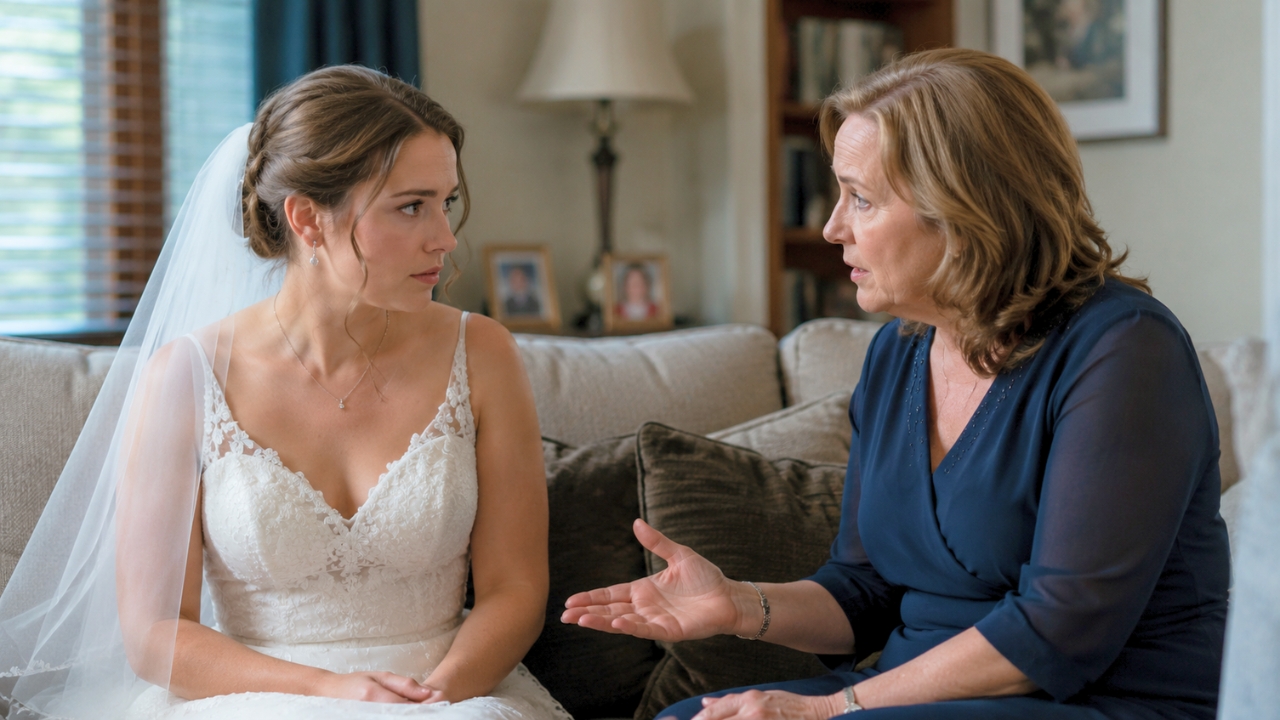
By the time the save-the-dates went out, the bride had already stopped answering her mom’s calls in the middle of the workday. Every new detail—venue, guest list, menu—seemed to turn into another round of secondhand messages from relatives asking why the plans had “changed again.” Nothing had changed on the bride’s end. But in her family’s group chats, the story kept shifting.
She and her fiancé had planned a small ceremony with about 60 people, a simple reception, and a tight budget they could actually afford. They paid deposits from their own savings, built a spreadsheet, and kept things low-key on purpose. The bride’s mom had offered “help,” but it came with a running commentary to anyone who would listen.
What started as “help” turned into side conversations
At first it sounded harmless: her mom asking what colors they were thinking, whether a cousin could bring a plus-one, if they’d considered a church. Then the bride started getting calls from relatives she rarely heard from, each one carrying a slightly sharper edge.
An aunt asked why the bride was “excluding family” when the guest list had always been capped. A cousin asked if the groom’s family was “paying for everything,” which wasn’t true. Someone else mentioned a rumor that the bride had picked a venue too “cheap” and her mom was “trying to save it.”
Every time the bride confronted her mom, she got the same response: she was just keeping people in the loop, people were asking questions, the bride was too sensitive. The problem wasn’t one comment. It was the pattern of undermining the plans in a way that made the bride look disorganized and the fiancé look controlling.
The misinformation started costing real money
It escalated when relatives began acting on what they’d heard. A family friend who was supposed to do the flowers called to confirm a “new date” that didn’t exist. Another relative booked a hotel for the wrong weekend after being told the ceremony was “probably moving” because the venue was “iffy.”
Then came the vendor issue that made it impossible to brush off. The caterer contacted the bride to confirm a major menu change, referencing a phone call from “the mother of the bride” about swapping to a cheaper package and reducing the headcount. The caterer hadn’t finalized anything, but they had noted the request and were ready to update the contract.
The bride froze. Her mom wasn’t just venting to family—she was reaching into the actual planning and leaving a paper trail that could have triggered fees and confusion. When the bride asked her mom directly, her mom insisted she was “just exploring options” and “trying to help with costs,” even though she hadn’t offered to pay.
She tried boundaries, but the leaks kept happening
The bride and her fiancé tightened access. They password-protected vendor accounts and told vendors in writing that only the couple could approve changes. They kept the guest list private and stopped sharing drafts of seating charts or timelines.
That didn’t stop the commentary, it only changed its shape. The mom began telling relatives the bride was “shutting her out” and that she was worried the wedding was being “rushed.” When the bride declined a family-style rehearsal dinner her mom pushed, her mom framed it as the groom “not respecting traditions.”
The tension showed up in small humiliations. At a family birthday dinner, the mom brought up the wedding in front of everyone and asked leading questions that implied the bride hadn’t planned basic things. When the bride answered calmly, the mom corrected her anyway, then laughed like it was all a joke.
The fiancé started dreading family gatherings. The bride started dreading her own phone lighting up.
The final conversation was calm, specific, and hard to ignore
After the caterer incident, the bride asked her mom to meet in a neutral place, not at either home. She brought a printed timeline of what had happened—dates of calls from relatives, the vendor message, and a screenshot of the caterer’s note about the requested changes.
She didn’t argue about intentions. She stuck to impact: the comments were creating confusion, the vendor contact was unacceptable, and the constant second-guessing was hurting her relationship with her fiancé and with extended family. She made one rule non-negotiable: no more updates to relatives unless the couple had approved the wording, and no communication with vendors at all.
Then she attached consequences. If her mom continued to interfere, she would lose access to planning details entirely, be removed from group chats about the wedding, and possibly be uninvited from the getting-ready portion of the day. If her mom contacted vendors again, the couple would send a formal email to every vendor instructing them not to speak with anyone else and would consider restricting her involvement further.
The mom reacted like the bride was attacking her character. She insisted she was being treated like a villain, that she had “earned a say,” and that she was only trying to protect her daughter from mistakes. The bride didn’t match the emotion. She repeated the boundary, said she loved her, and ended the meeting when it started looping.
The practical steps that followed were about control, not drama
Within 24 hours, the bride emailed every vendor with a simple instruction: changes required written approval from either the bride or groom, and no one else was authorized to discuss contracts. She added passwords to accounts and asked vendors to note it prominently so a friendly voice on the phone couldn’t override policy.
She also sent one clear message to immediate family: the date, venue, and schedule were set; any updates would come from the couple directly. It was short and unembellished, designed to stop the “I heard” pipeline.
Behind the scenes, the couple tightened finances. They moved deposits and wedding payments into a dedicated account that only they could access, and they kept receipts organized in case a dispute surfaced later. The bride also asked a trusted friend to act as point person on the wedding day so she wouldn’t be cornered into last-minute changes.
The hardest part wasn’t logistics. It was accepting that her mom might keep trying, even if it damaged relationships. The bride didn’t want a big family blowup, but she also didn’t want to spend her wedding month doing damage control.
People focused on documentation and limiting access
When the bride later described the situation to friends and a few relatives she trusted, the reaction was practical. They told her to put everything in writing, stop sharing drafts of plans, and assume anything said to her mom would be repeated with a twist.
Several people emphasized vendor protections: passwords, written notes on contracts, and a single point of contact. Others suggested keeping screenshots of messages and saving call logs, not to “build a case,” but to stay grounded if the mom tried to rewrite history later.
A few warned her not to get pulled into endless debates about feelings when the actual issue was behavior. The goal, they said, was to make the wedding harder to sabotage through confusion—because most of the damage so far had come from misinformation spreading faster than corrections.
In the weeks after that final conversation, the bride’s mom stayed quieter, at least publicly. But the bride still heard small echoes—an aunt asking if the ceremony was “still happening on that date,” a cousin mentioning the mom was “worried.” The couple kept moving forward anyway, locking down plans and leaning on people who respected the boundaries. The wedding was getting closer, and for the first time in months, the bride felt like it was actually hers again.