The Grandmother Who Skipped the Baby Shower Wanted to Be First at the Hospital — Then the Parents Said Shower Guests Go First
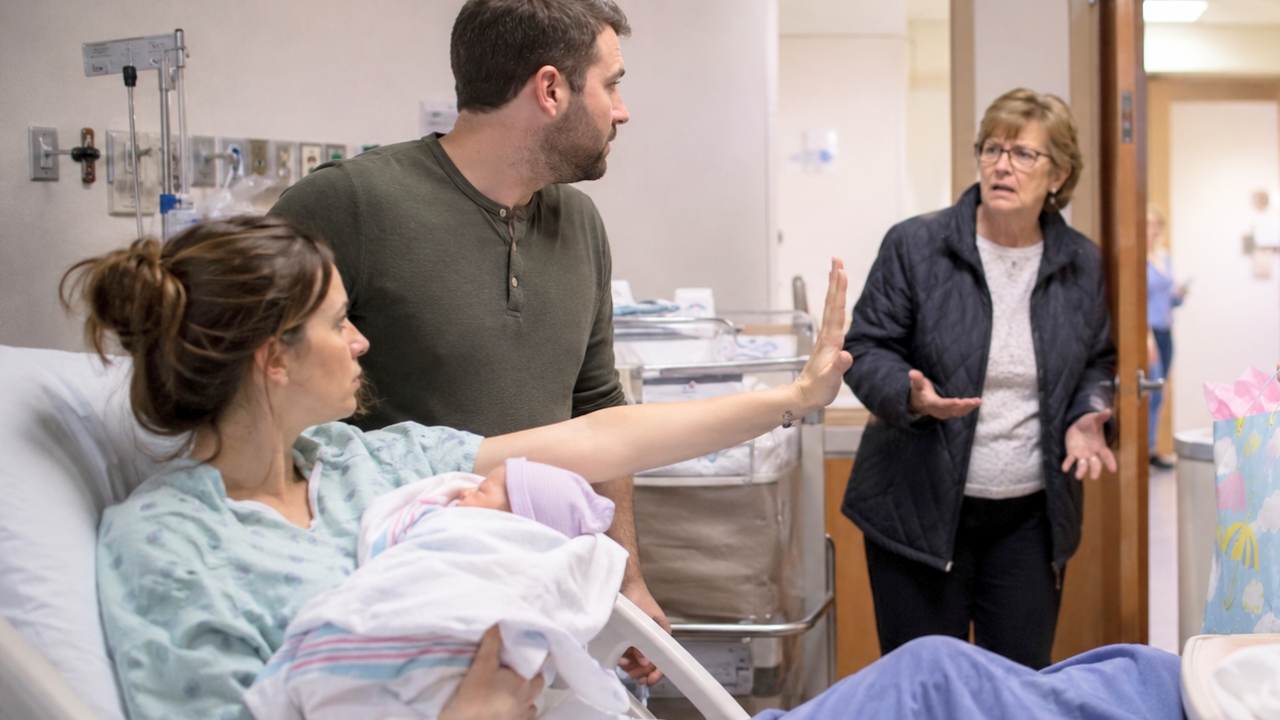
Photo credit: Thrivegirly.com
The expecting parents thought they were keeping things simple: one baby shower at a relative’s house, then a quiet plan for hospital visitors once the baby arrived. But the conflict didn’t start in the delivery room. It started weeks earlier when the baby’s grandmother decided she wasn’t going to the shower at all.
She told family members she didn’t feel “comfortable” attending a party hosted by people she didn’t know well, and she didn’t like that the shower wasn’t at her home. The parents tried to smooth it over and offered to stop by after the event so she could see the gifts and spend time with them. She declined that too, and the distance quickly turned into a standoff.
The baby shower became a line in the sand
The shower itself went forward without her. Friends, coworkers, and a few extended relatives showed up with diapers, bottles, and gift cards, and the parents made a point of taking photos with everyone so they could send thank-you notes later.
But the grandmother treated her absence as a protest, not a scheduling issue. She told the couple that since she wasn’t part of “their” shower, she would be part of the “real moment” instead. In her mind, that meant being the first person at the hospital when the baby was born.
The parents didn’t shut her down right away, but they also didn’t agree. They’d already discussed a visitor order that felt fair to them: the people who supported them at the shower would be allowed to visit first, once mom and baby were stable and the hospital approved it. It was less about reward and more about boundaries—especially because the mother-to-be had a history of anxiety and didn’t want a tense first day.
“First at the hospital” turned into a demand
A few days after the shower, the grandmother started pressing for details. She asked for the due date again, wanted to know which entrance to use, and tried to get the name of the OB’s practice so she could “check in.” The couple brushed that off and didn’t share anything beyond what she already knew.
That’s when the tone changed. She argued that being the baby’s grandmother meant automatic access, and she framed the shower as “a party” that didn’t count as support. She also hinted that she might wait in the parking lot if she had to.
The father-to-be finally responded with the rule they’d agreed on: the shower guests would be prioritized for short visits first, and family who skipped the shower would be later, once the parents were ready. The grandmother took that as an insult, and the argument spilled into group texts with siblings and aunts pulled in as referees.
The parents tightened their hospital plan
Once it became clear the grandmother was serious about showing up early, the couple shifted from debating feelings to managing logistics. They called the hospital’s labor and delivery unit and asked about visitor procedures, passcodes, and how to restrict information at check-in.
They were told they could be listed as “no information” and could set a password for anyone calling the unit. They also learned that if someone showed up and caused a scene, staff could remove them, and security could be brought in without the patient having to confront anyone directly.
That changed how the couple approached the rest of the pregnancy. They stopped sharing appointment dates, stopped replying to messages about the due date window, and told a trusted friend—one of the shower hosts—where they planned to park and which person would hold the backup phone with the hospital number.
Even the “who gets told first” list got adjusted. The couple agreed they would notify only two people when labor started: the friend who could feed their pets, and one sibling who had shown they could respect privacy. Everyone else, including the grandmother, would get news after the baby arrived.
The conflict spilled into the neighborhood and the phone log
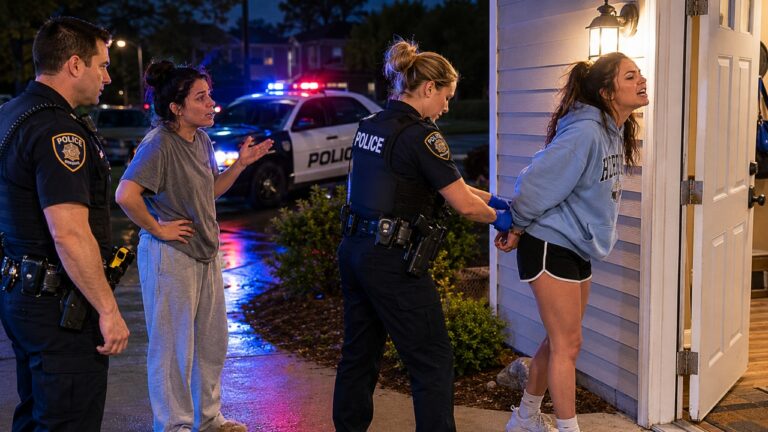
The pressure didn’t stay contained to family arguments. The grandmother began showing up at the couple’s home unannounced, often in the evening, saying she “just wanted to talk.” When no one answered, she left notes tucked into the doorframe about how she wouldn’t be “kept away from her grandbaby.”
After the second surprise visit, the couple installed a doorbell camera. It wasn’t just for peace of mind. They wanted a clear record in case the situation escalated into repeated trespassing or harassment that would require formal documentation.
The father-to-be also started saving screenshots of texts and noting dates of visits in a simple phone note. The mother-to-be, already dealing with swelling and late pregnancy exhaustion, asked her employer to approve her remote work request earlier than planned. She didn’t want to be caught alone at home if the grandmother arrived again and refused to leave.
When the grandmother realized she wasn’t getting new information, she tried a different angle: contacting extended family for updates and asking coworkers of the parents if they “knew what hospital it would be.” That’s when the couple felt the issue had turned from a family disagreement into a real privacy problem.
Commenters focused on documentation and hospital boundaries
People who heard about the situation kept coming back to the same practical points: the hospital isn’t a public waiting room, and new parents have more control than they think. Many urged the couple to set up the password system early, list themselves as private, and make sure the nursing staff knew there was one specific person who might try to push past boundaries.
Others stressed that the visitor “order” wasn’t the real issue. The bigger issue was the grandmother’s attempt to override the parents’ plan by skipping one event and trying to claim the next one. Several people encouraged the couple to stop explaining the policy like it was negotiable, and instead communicate it once in writing and then disengage.
A handful of people pointed out that if she was already showing up uninvited at their home, she might try to appear at the hospital anyway. The common advice there was to avoid confrontation in the lobby and let staff handle it, because the moment the parents get pulled into a public argument, it becomes harder to de-escalate.
Some also warned about the postpartum period. If someone feels entitled to be “first,” they may also feel entitled to drop by daily, take photos, or share announcements before the parents are ready. The suggestion was to set expectations now, while there’s still time to adjust.
The hardest part was enforcing a rule without making it a war
The couple didn’t want to permanently sever the relationship. They wanted a safe delivery, a calm first day, and a little time to become a family of three before managing anyone else’s feelings. But the grandmother’s fixation on being first made compromise feel impossible, because any concession looked like a reward for pressure.
In the final weeks, they kept the plan tight: minimal updates, one-line responses, and a clear instruction to the hospital. They also quietly told a neighbor to keep an eye out if a car sat outside their house for long periods, and they made sure the doorbell camera was saving clips to the cloud.
The unresolved tension was simple and heavy at the same time. Either the grandmother would accept being told after the baby arrived, or she’d show up and force hospital staff to be the bad guy. The parents weren’t trying to win a contest—they were trying to protect a moment they knew they wouldn’t get back.