Pregnant Woman Says Her MIL Called Her Doctor to Ask About the Due Date — Then the Office Flagged the Call
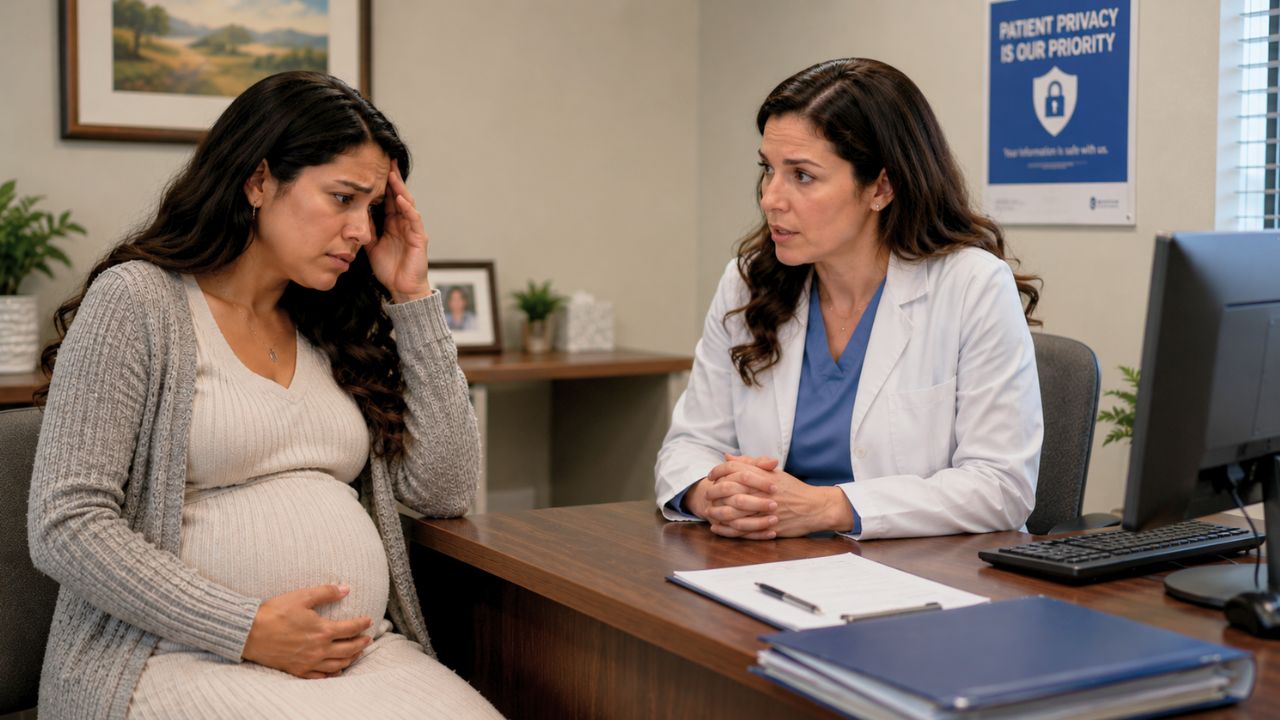
By the time she was deep into her third trimester, the expectant mother thought the hard part would be sleeping and keeping up with appointments. Instead, the stress came from a phone call she didn’t make—one that left her medical office quietly on alert and her family dealing with a boundary problem that suddenly felt like a security problem.
She’d been careful about sharing details of her pregnancy outside a small circle. The due date was on a need-to-know basis, partly because she wanted a calm delivery and partly because her relationship with her husband’s mother had been strained since the engagement. Then her clinic sent a message through the patient portal asking her to confirm something unusual: someone had called asking about her delivery timeline.
The call that set off alarms at the clinic
The office didn’t hand over information. The receptionist flagged the call, documented it, and sent the note up the chain. When the patient was contacted, she was told a caller had identified herself as a close family member and tried to get the expected delivery date and next appointment time.
It wasn’t just the questions that bothered the staff. The caller tried different angles—first sounding casual, then pushing harder when told they couldn’t discuss anything. The office recognized the pattern and treated it like a privacy issue, not a misunderstanding.
The pregnant woman said she felt her stomach drop reading the portal message. The clinic offered to add extra verification steps and reminded her she could put a password on her account so no one could obtain details without it.
How she realized it was her mother-in-law
At first she wondered if it was an overeager relative or someone misdialing. But the timing lined up with a recent argument that started over hospital visitors. She and her husband had told his mother they weren’t committing to anyone being in the waiting room and wanted the first day postpartum to be private.
Not long after that conversation, the mother-in-law began fishing for specifics. She asked the same questions repeatedly—how far along, what week, what the doctor said—then complained that she felt “left out.” The expectant mother said she kept answers vague on purpose, hoping the topic would fade.
When confronted with the clinic message, the husband called his mom. She didn’t deny contacting the office. She framed it as concern and said she “needed to plan,” then got defensive when told it was inappropriate. The couple said the exchange turned into an argument about respect and who gets to be involved in major family events.
The office tightened the privacy rules overnight
The clinic took the incident seriously. Staff added a note to the patient’s chart warning that no information should be released to anyone other than the patient, even if the caller claimed to be family. The office offered a password protocol and recommended she avoid confirming details with anyone who might pass them along.
For the expectant mother, the unsettling part wasn’t only the attempted information grab. It was the realization that someone close enough to know her full legal name, date of birth, and provider details still tried to use that familiarity to get access. She said it made the pregnancy feel less protected, like her boundaries were just suggestions to be tested.
It also changed how she approached her own paperwork. She asked the clinic to double-check who had access to her emergency contact list and removed anyone she didn’t want contacted automatically. She and her husband started keeping everything in writing, including texts about the birth plan, so there was a clear record if the conflict escalated.
Then it spilled into the real world planning: hospital, home, and work
Once the due-date snooping was confirmed, the couple treated it as more than gossip. They worried about a surprise appearance at the hospital or someone showing up at their home the moment labor started. The husband told his workplace not to share personal updates with anyone calling on his behalf, and they stopped giving out any schedule information to extended family.
They also talked through practical security steps. The expectant mother adjusted her social media settings and asked friends not to post countdown-style updates. A neighbor agreed to keep an eye out if any unfamiliar car parked for long stretches, since the mother-in-law had a habit of “dropping by” without warning.
In the background was a harder question: what would happen if the mother-in-law tried the same tactic again—calling the pediatrician next, or a future daycare, or even the employer to confirm leave dates? The couple said they weren’t trying to turn family drama into a formal complaint, but they also didn’t want to wait until a bigger breach forced their hand.
Commenters focused on documentation and “don’t negotiate with pressure”
People who heard about the situation zeroed in on how quickly a boundary problem can become a safety problem. Many pointed out that the clinic did exactly what it was supposed to do by flagging the call, and urged the expectant mother to follow through with a password and written restrictions.
Others suggested getting ahead of the next likely targets. That meant notifying the hospital’s labor and delivery desk about restricted visitors, setting a “no information” status, and deciding in advance who, if anyone, would be told when labor begins. Some also recommended that the couple agree on consequences now—like a temporary time-out—so there isn’t a frantic debate during contractions or immediately after birth.
A few people focused on the husband’s role, saying this is the moment for him to be the primary communicator with his mother. The logic was simple: if the boundary is presented as a united decision, it’s harder to frame the pregnant woman as the obstacle, and it reduces the chances she gets targeted with nonstop calls and guilt trips.
The biggest challenge was setting limits without creating a bigger scene
The couple ultimately drew a firmer line. The husband told his mother that contacting medical offices was off-limits and that any future attempts to obtain private information would mean less access, not more. The expectant mother said they stopped discussing dates entirely and switched to generic updates that couldn’t be used to time a visit.
Even with those steps, the tension didn’t disappear. Family gatherings became awkward, with the mother-in-law acting as if she’d been wronged, and other relatives pushing the couple to “just share the date to keep the peace.” The expectant mother said that pressure was part of the problem—people treating privacy like a favor instead of a right.
For now, the clinic’s flagged call sits in her chart as a quiet warning that someone tried to cross a line. The expectant mother said she’s focusing on staying calm, keeping her appointments, and building a buffer of practical protections before the baby arrives—because once labor starts, she doesn’t want the biggest surprise to be who’s waiting on the other side of the door.