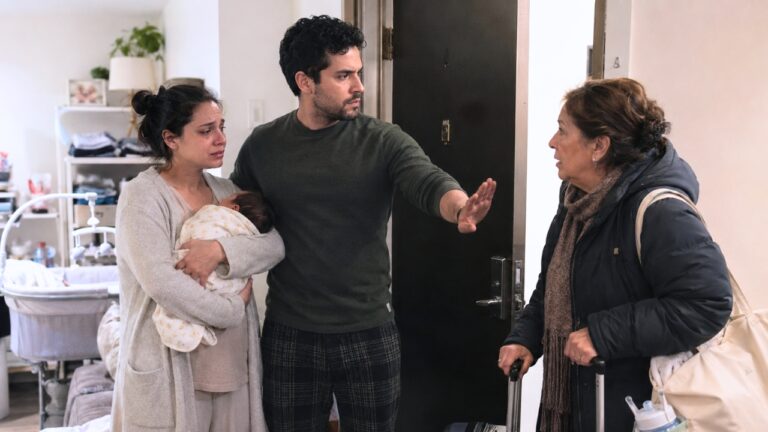
Her Parents Kept Giving Her Kids Sugar After Being Told Not To — Then the Grandchildren Stopped Visiting Overnight
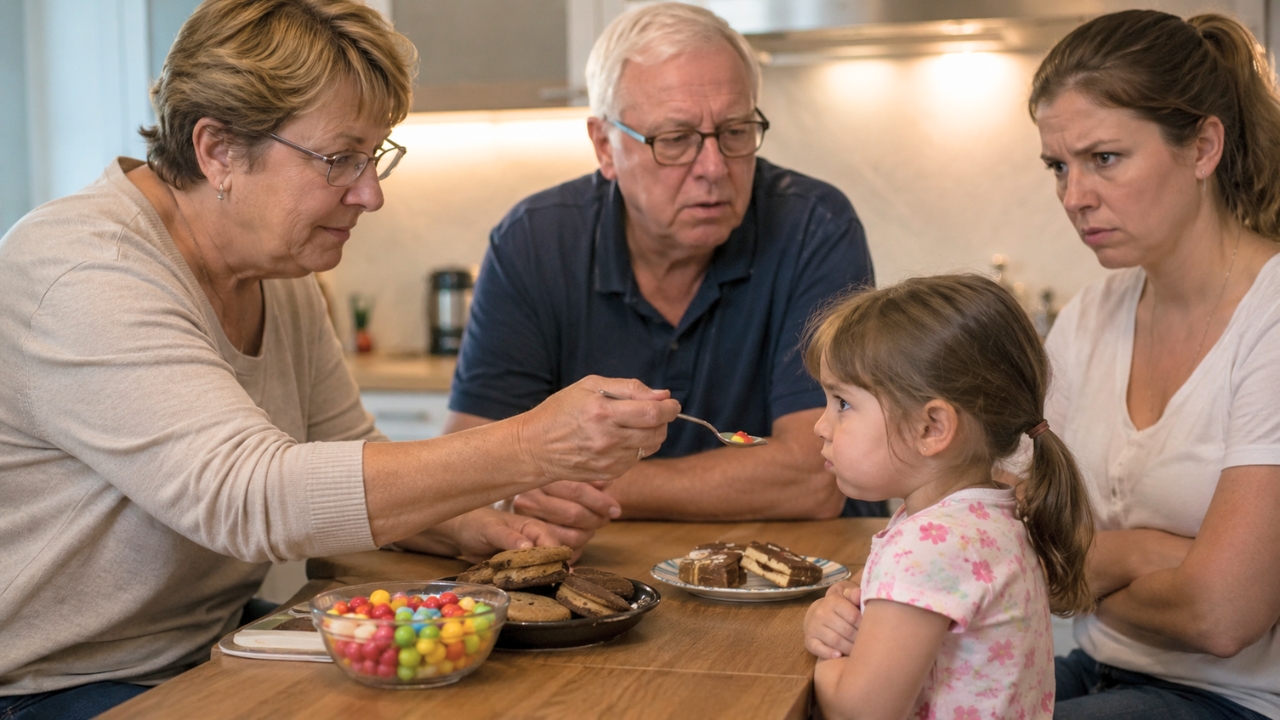
It started as a small, familiar grandparent thing: a cookie “just this once,” a little candy slipped into a tiny hand at the door. The kids came home wired, cranky, and hungry for more, but it seemed manageable at first.
Then the stomachaches began. So did the rashes around one child’s mouth and the late-night coughing that their pediatrician had been tracking for months. The kids’ mother realized the same pattern kept showing up after sleepovers at her parents’ house, and the conversations she’d been trying to keep gentle got a lot more serious.
The rules were simple, but the routine kept repeating
The mom had two kids under six and a packed schedule, and her parents had always been the reliable backup. Overnight visits were the one break she and her spouse could count on when work ran late or they needed a weekend to reset.
But the kids had dietary restrictions that weren’t trendy or optional. One had enamel issues and a history of painful cavities, and the other had been flagged for possible reactive airway problems that seemed to flare up after heavy sweets and certain dyes.
So she laid it out plainly: no sodas, no candy, no dessert as a meal, and no “secret treats.” She offered alternatives, brought labeled snacks, and even wrote it down on the same sheet as bedtime routines and emergency numbers.
Her parents nodded, agreed, and then kept doing it anyway. The kids started mentioning “grandpa’s candy drawer” like it was a normal part of the house, and the mom noticed the telltale sticky fingers and colorful stains on pajamas that hadn’t come from her kitchen.
Proof showed up in the laundry, the car seats, and the kids’ teeth
One Sunday morning, she pulled a balled-up pair of leggings from the overnight bag and found a wrapper tucked inside. Another time, she discovered a half-melted chocolate square stuck to the car seat buckle.
The biggest gut punch came at the dentist. The older child needed another filling, and the hygienist’s questions were pointed: juice habits, nighttime snacks, how often sweets were happening. The mom knew what she was doing at home, and it wasn’t that.
She tried not to make it a courtroom, but she also couldn’t ignore the receipts. She started taking quick photos when wrappers appeared in bags or when the kids came home with neon-colored tongue stains.
It wasn’t about trying to “catch” her parents for the sake of winning. It was the fact that every small slip was followed by the same denial: they hadn’t given anything, the kids must have gotten it somewhere else, maybe a neighbor handed it out, maybe it was from a party days earlier.
The argument shifted from sugar to trust
When the mom confronted them with the photos, the response wasn’t an apology. It was irritation, then offense, and finally a familiar line: they’d raised kids just fine and weren’t going to be policed in their own home.
That was the moment the discussion stopped being about gummy bears and became about boundaries. The mom wasn’t asking them to agree with her parenting choices; she was asking them to follow them when they were supervising her children.
She offered compromises, too. If they thought the rules were too strict, they could call and ask first. If they wanted to do something special, they could plan a non-food treat, like a craft kit or a trip to the park.
Instead, her parents treated the rules like a challenge. They kept framing it as harmless fun, and they seemed to enjoy being the place where the kids got what they weren’t supposed to have.
Then the sleepovers stopped, and the family schedule fractured
The first change was subtle: fewer overnight bags, earlier pick-up times, more “we’ll just do dinner together.” The mom told her parents that visits could continue, but only while she or her spouse was present.
Her parents pushed back immediately. They said she was punishing them, that she was keeping the kids from them, that she was being dramatic over snacks. They also insisted the kids were happier at their place, which only made the mom more uneasy.
Logistically, it hit hard. Babysitters cost real money, and last-minute coverage was harder to find than family help. The couple had to swap shifts, turn down extra hours, and cancel one weekend trip they’d been counting on.
But the kids changed, too. Without the late-night sugar swings, bedtime got easier. The older child’s next dental check was still stressful, but the dentist noted better daily habits. The younger one had fewer flare-ups after visits because those visits weren’t followed by a sugar binge.
The grandparents escalated outside the house
What made it worse was that the parents didn’t just complain privately. They started dropping comments at family gatherings about how their daughter had become controlling, how modern parenting was “fear-based,” and how kids deserved to be kids.
Then they tried to go around her. One afternoon, they showed up at the kids’ daycare pickup line without warning, claiming they wanted to surprise them with a treat and take them for ice cream.
Daycare staff called the mom because the pickup list didn’t match what the grandparents were trying to do. The mom arrived furious and shaken, not because her parents were strangers, but because they were acting like rules didn’t apply.
After that, she updated all authorization forms, added a password note with the front desk, and made it clear in writing that no one besides the parents could pick the kids up. It was an uncomfortable step that made the situation feel bigger than a family squabble.
People focused on documentation, consistency, and keeping it boring
Friends and acquaintances who heard about it didn’t debate sugar as much as they talked about supervision and consent. The common theme was that if caregivers won’t follow basic instructions, you can’t rely on them for unsupervised care.
Some urged the mom to keep everything in writing, even if it felt stiff. A short text recap after conversations, saved photos of wrappers, and notes from medical appointments helped keep the issue from turning into a he-said-she-said argument.
Others suggested making visits structured: meet at a playground, do a museum day, or have the grandparents come over for a board game night where food is controlled. That way, the kids still get time with them without the risk of rule-breaking behind closed doors.
A few people pointed out the daycare pickup attempt as a red flag and recommended tightening boundaries further until trust could be rebuilt. Not forever, necessarily, but long enough that the grandparents understood that ignoring the parents has real consequences.
In the end, the mom didn’t cut contact or make a dramatic scene. She just removed the one privilege her parents seemed unable to handle: being alone with the kids overnight. The grandparents kept insisting it was about sweets, but the new routine made the real issue impossible to avoid. If they wanted things to go back to normal, they’d have to show—over time—that “no” actually meant no.