Woman says she refused to eat her sister-in-law’s Thanksgiving casserole because it looked like last year’s leftovers — and the truth ended up being so awkward that everyone finally stopped calling her paranoid
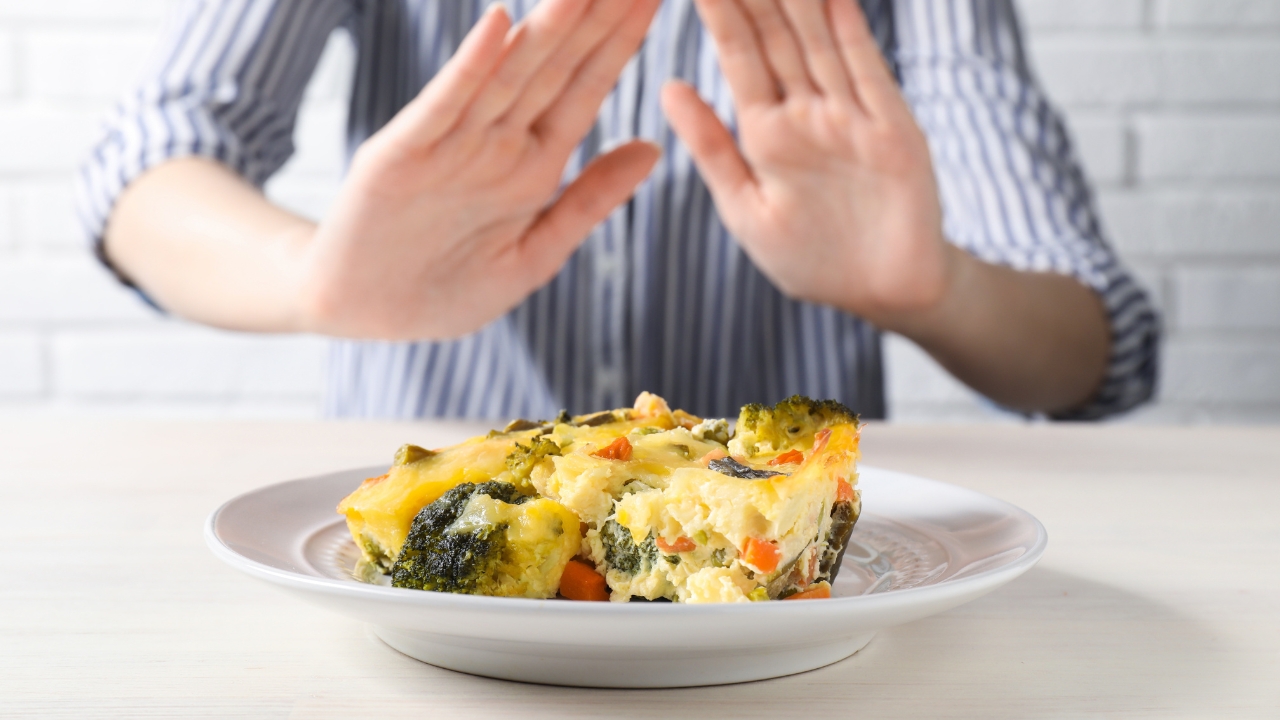
A woman on Reddit said her Thanksgiving problem sounded ridiculous even while she was living it. She and her husband were part of a very large family gathering that included his parents, siblings, spouses, kids, her own divorced parents and stepparents, plus siblings and more relatives. It was a potluck, and everyone was supposed to coordinate so they did not all bring the same thing. This year, her sister-in-law volunteered to bring the family’s famous sweet potato casserole, which felt meaningful because the sister-in-law’s mother had died earlier that year and she wanted to honor her by making the recipe.
The problem started when the dish actually arrived. The woman wrote that instead of bringing one big fresh casserole dish, her sister-in-law showed up with several smaller medium-sized containers. Right away, that struck her as odd. Then she looked closer. She said the casserole did not smell obviously bad, but it looked wrong — unusually dry, not like it normally did, and just off enough that she got a bad feeling immediately. She quietly told her husband she was worried about it, and he decided not to eat it either. She did not announce her suspicions to the table or make a scene. She just passed on the dish.
That should have been the end of it, but after Thanksgiving dinner was over, her mother called and said the sister-in-law had noticed she never tried the casserole and felt hurt. When the woman explained why she skipped it, her mother pushed back and basically told her she was being too picky and dramatic. The woman responded that the weird presentation and the dry texture made her think it might actually be leftovers from the previous year or some older batch pulled from a freezer. She even said one of the reasons she was suspicious was that dividing it into multiple containers made it feel like someone could have cut around bad spots and only served the parts that still looked okay. That comment, according to her, landed badly and the conversation ended in a tense silence.
She posted because she genuinely did not know if she had been unreasonable. From her point of view, she had not insulted anyone at dinner, had not embarrassed the sister-in-law publicly, and had only quietly refused to eat something she did not trust. But because the family reaction made her feel like the villain, she wanted outside opinions on whether not eating a suspicious-looking holiday dish was actually rude.
As the BORU post laid it out, the situation later shifted in a way that made her original suspicion look a lot less irrational. The core issue was not simply that she hurt someone’s feelings by skipping a sentimental dish. It was that the casserole looked strange for specific reasons, and her instinct that something was off turned out to matter more than people wanted to admit in the moment. The family pressure came from treating politeness as more important than basic common sense about food.
What made the story stick is how familiar the setup feels: a family event where one person quietly trusts their own eyes and instincts, and everyone else treats that as the social crime. The woman was not trying to humiliate her sister-in-law. She was just not willing to put something in her mouth that looked wrong to her. And once the awkward truth came out, the whole thing stopped being about whether she was rude and started being about why people are so quick to shame someone for being cautious when family tradition is involved.