Mother-in-Law Posted the Baby Online Without Permission — Then the Parents Cut Off Photo Access
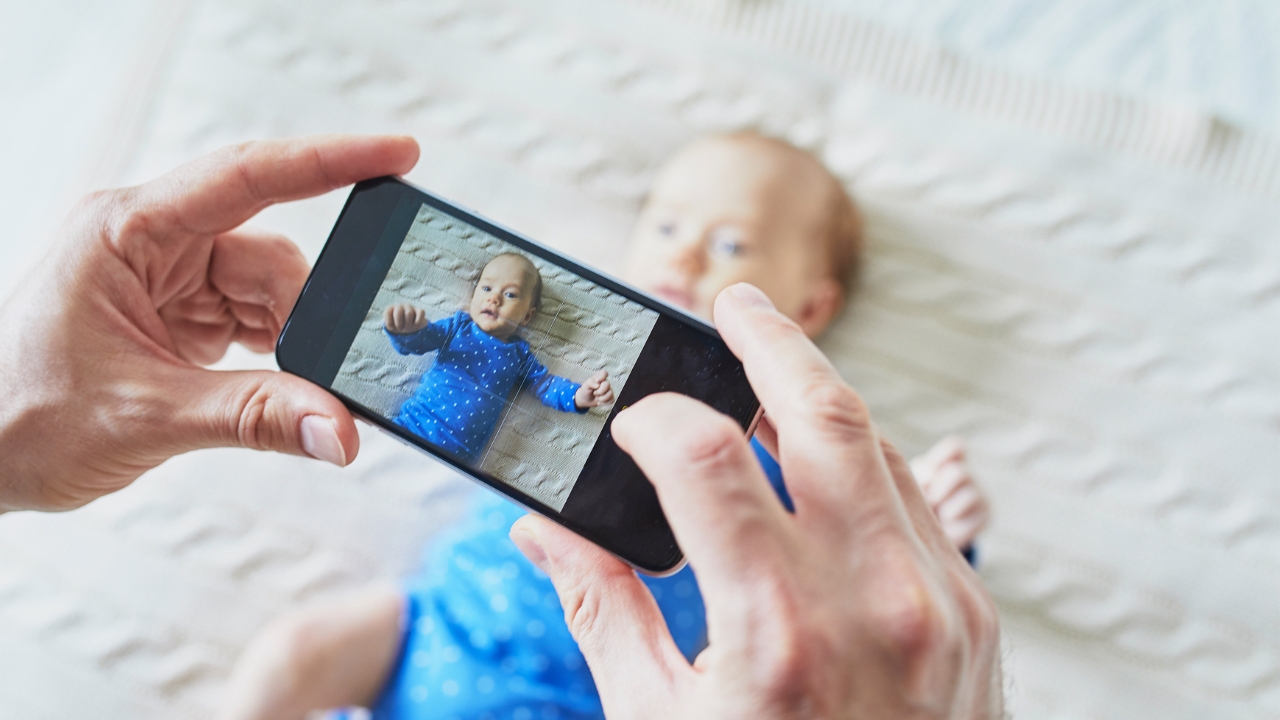
The first time the new parents realized something was wrong, it wasn’t a phone call or a text. It was a notification from a cousin: a photo of their newborn had been posted publicly, with the baby’s full name and the hospital wristband still visible.
They had been careful about this from the start. They’d told family they weren’t sharing the baby’s face online, and they weren’t posting birth details. Between privacy concerns and a few unsettling experiences with distant relatives oversharing, they wanted the first months to stay mostly offline.
The photo wasn’t taken by a nurse or a friend. It was taken by the baby’s grandmother during a hospital visit, and it had been uploaded to her social accounts like an announcement.
The first post was treated like a mistake
The parents didn’t start with a blowup. They asked for the post to come down and pointed out exactly why it bothered them: the name, the location tags, and the fact that the baby couldn’t consent to any of it.
The grandmother removed it, but not without turning it into a conversation. She messaged other relatives about feeling “shut out” and hinted that the parents were overreacting. Within a day, the parents started getting calls from family members who “just wanted to help smooth things over.”
For a week or two, it seemed like an uneasy truce. Visits continued, and the grandmother was still being sent photos in the family group chat—mostly harmless snapshots like the baby sleeping, wrapped in a blanket. The parents thought they’d been clear, and that the boundary had finally landed.
Then a second post went up. Different photo, different angle, but again: public, with a caption that made it obvious the baby was only a few weeks old.
They changed how photos were shared, and the tone shifted fast
This time the parents didn’t negotiate. They asked for removal and then immediately adjusted their settings and routines. Photos stopped going into the big family group chat. Instead, they shared through a private album with limited access, and they stopped sending pictures to anyone who might forward them.
When that still didn’t feel secure, they tightened it again. The grandmother was removed from the album entirely, and new photos were shared directly with a few trusted relatives, one by one.
That’s when the grandmother showed up at their home unannounced. According to the parents, she insisted she was being punished and claimed she “didn’t understand” how the posts could be such a big deal. The father tried to keep the conversation on the doorstep, but the exchange escalated quickly into raised voices.
After that visit, the grandmother started contacting them through every channel she had—texts, calls, social messages, and even messages to the mother’s workplace social page, asking why she couldn’t see her grandchild “like other grandmothers.”
The privacy concern turned into a safety concern
The parents’ anxiety wasn’t just about social media etiquette. The early posts had included identifying details: a hospital setting, a city tag, and family comments that narrowed down where they lived. Even when the grandmother removed photos, screenshots were already circulating among extended family.
They also had a more personal reason for caution. The mother had an estranged relative who had a history of showing up unexpectedly and ignoring boundaries. The parents had spent years keeping their address and daily routines quiet, and the new baby felt like a magnet for the kind of attention they’d worked to avoid.
After the unannounced visit and the workplace contact, they began documenting everything. They saved screenshots of the posts before they were deleted, took screenshots of messages, and wrote down dates and times when she appeared at the house.
They also installed a doorbell camera. Not because they expected a break-in, but because they wanted proof if the situation kept moving from “family conflict” into “ongoing harassment.”
A third incident made it impossible to ignore
The third time wasn’t a simple repost. The grandmother uploaded a short video clip that had been sent privately, filmed in the parents’ living room during a calm afternoon. It showed the baby on a play mat, and in the background, a piece of mail with the street name was visible on a counter.
It stayed up long enough for multiple people to comment, and for at least one person to share it elsewhere. The parents reported the video and asked for it to be removed, but they were now dealing with the reality that once something is online, it can travel far beyond the original post.
That night, the couple had a serious conversation about access, not affection. They weren’t saying the grandmother couldn’t be involved. They were saying she couldn’t be trusted with media that could expose the baby’s identity and their location.
So they set a firm rule: no more photos or videos would be sent to her at all. If she wanted updates, it would be during supervised visits, with phones put away. If the phones came out, the visit would end.
Relatives tried to mediate, but the boundary stayed
In the days that followed, other family members started pressuring the parents to “find a compromise.” One suggested watermarking photos. Another suggested sending only pictures where the baby’s face wasn’t visible. Someone else floated the idea that the grandmother could keep posting but set her account to private.
The parents didn’t see those as real fixes. Watermarks don’t stop screenshots. Privacy settings can be changed in an instant. And “no face” photos can still include identifying details, especially when combined with names, birthdays, and comments.
They offered a middle ground: the grandmother could receive updates in person, and she could take photos during visits only if she agreed, in writing, not to post them anywhere. That suggestion went poorly. The grandmother reportedly framed it as a humiliation and told relatives she was being treated like a criminal.
That’s when the parents shifted from “family meeting” mode to “protect the household” mode. They stopped answering calls and asked that all communication go through text. They also let the daycare know that only the parents were authorized to pick up the baby and that no information should be shared with extended family.
Commenters focused on proof, policies, and preventing the next leak
People who followed similar situations tended to focus on practical steps, not emotional arguments. The first piece of advice was to keep everything in writing and stop having boundary conversations over the phone, where details get disputed later.
Others pointed out that reporting posts to platforms works better when you can show the content was shared without consent and includes personal information. Several also suggested minimizing what’s visible in photos—mail, house numbers, car plates, school logos—because it’s often the background, not the baby, that creates the bigger privacy risk.
Another common thread was controlling the flow of pictures. If one person repeatedly leaks content, the answer isn’t sending “safer” content; it’s sending none. A few people recommended a rule some families adopt: no photos to anyone who has posted before, even if they promise they won’t do it again.
Finally, some advised the parents to look into a formal no-trespass notice if unannounced visits continued, and to keep the door camera footage backed up. Not to escalate for drama, but to make sure the parents weren’t trapped in a he-said-she-said situation if the conflict spread.
By the end of the month, the parents had settled into a new rhythm. The baby was thriving, the home was quieter, and updates were shared selectively. The grandmother still had access to the child through planned visits, but the “digital pipeline” was shut off completely.
The tension didn’t disappear. It just moved from online posts to in-person awkwardness, with a boundary that was now visible to everyone. The parents weren’t trying to win an argument. They were trying to keep their child’s life from becoming content, and they’d learned the hard way that once a photo escapes, you don’t get to decide where it ends up.