Groom’s Mom Sent Her Own Invitations to the Wedding — Then the Bride Uninvited Everyone on Her List
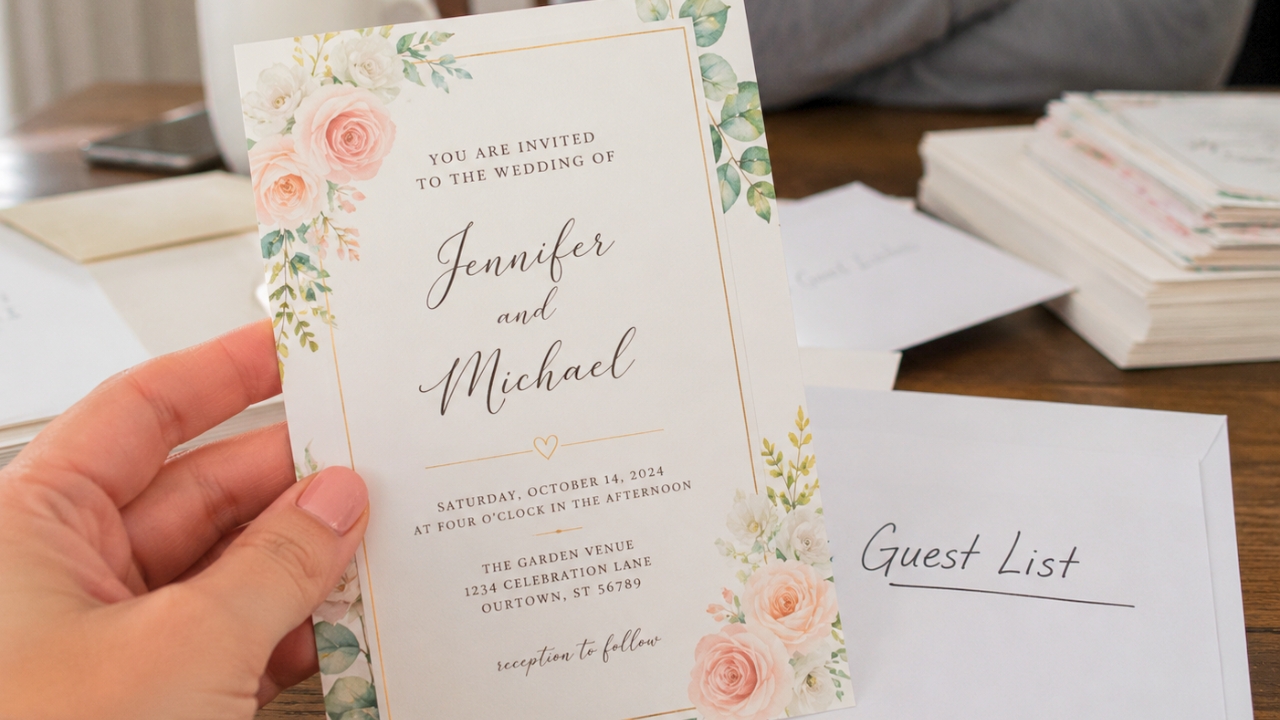
Photo credit: thrivegirly.com
Two weeks after the couple mailed their wedding invitations, the bride started getting cheerful texts from people she didn’t recognize. A distant family friend said she couldn’t wait to see the venue. A former coworker asked if there was a plus-one limit. When the bride checked her spreadsheet, none of those names were on it.
At first she assumed the groom had quietly expanded the guest list. But when she asked him, he looked genuinely confused. The only other person with early access to the date and location was his mother, who’d pushed for months to “help” with planning. That’s when the pieces lined up: extra invitations had gone out, and they hadn’t come from the couple.
A second invitation list appeared out of nowhere
The groom’s mom had been asking for the guest list since the engagement party. She framed it as practical—she wanted to “track RSVPs” and “make sure older relatives got their mail.” The bride resisted, partly because the wedding was already tight on headcount and partly because the relationship had been tense since day one.
Still, the groom wanted to keep the peace. He gave his mom a rough list of his side, plus a save-the-date and a few extra invitation suites in case something got lost. It seemed harmless, the kind of small concession couples make to avoid a bigger fight.
Then the bride saw a social media post with a photo of an invitation on someone’s kitchen counter. The caption thanked the groom’s mom by name for making sure “the invite finally arrived.” The date, time, and venue were all visible.
When confronted, his mother didn’t deny it. She said she’d “filled in the gaps,” insisting the wedding was “about family” and that the couple was being stingy. She also implied that some people had been “expecting” an invitation and that it would be embarrassing not to include them.
The budget wasn’t built for surprise guests
The wedding was set for a Saturday afternoon at a small event space with a strict capacity limit. The couple had chosen it specifically because it was affordable and intimate, with one price tier that jumped sharply once you crossed a certain number. The caterer required a final headcount by a deadline, and the bar package was per person.
By the time the bride realized what had happened, several unplanned guests had already RSVP’d yes—directly to the groom’s mom. Some of them reached out to the couple for logistics, which made it harder to pretend it was a simple misunderstanding.
It also created a secondary problem: the couple didn’t know how many extra invites had been sent. The groom’s mom was vague about it, saying it was “just a few,” then mentioning she’d invited a church group “in case they could make it,” then talking about old neighbors who “watched him grow up.” Every conversation seemed to expand the list.
The bride started doing math on a notepad and realized they could blow past the venue capacity without even trying. That would mean either risking the venue canceling, paying thousands more, or uninviting people who had already been told they were welcome.
The bride drew a line, and it turned into a bigger fight
After a long night of arguing and budgeting, the bride made a decision that felt harsh but clear: anyone invited through the groom’s mother was no longer invited. She asked the groom to back her, and she wanted the message to come from him so it didn’t look like the bride was targeting his family and friends.
He agreed in theory. In practice, it was messy. The groom’s mom had RSVP’d on behalf of others, so some guests didn’t even know they weren’t officially invited by the couple. Others had already booked hotels. A few had bought outfits and requested time off work.
The couple sent a short note explaining there had been an error with invitations and that only invitations issued by the couple were valid. The wording was polite, but it still landed like a door slamming shut. Within hours, the groom’s mom was calling relatives, saying the bride had “humiliated” her and that she’d “worked so hard” on the wedding.
Then she escalated. She contacted the venue to ask about adding tables. She called the caterer to ask if they could “hold a few extra plates.” When the bride learned about those calls, she realized the problem wasn’t just one batch of unauthorized invites—it was someone trying to take control of the whole event.
It stopped being about etiquette and started being about access
The bride and groom locked down vendor accounts with passwords and asked the venue to note in writing that only the couple could approve changes. The venue coordinator, who’d seen plenty of family drama, didn’t sound surprised. She reminded them that the contract holder had final say, but she also warned them that someone could still show up on the day and cause disruption.
That’s when the bride started thinking about logistics like it was a security plan. If extra people arrived, who would tell them no? Would the venue staff do it, or would it fall on the couple and wedding party? Would it cause a scene at the entrance? Would it spill into the parking lot?
The groom suggested letting a few of his mom’s invites slide to avoid conflict. The bride refused. She said it wasn’t only about money—it was about trust. If his mother could override them once, she’d keep doing it, and the wedding would become a precedent for every future boundary.
They ended up hiring an off-duty security guard recommended by the venue. It wasn’t the kind of expense the couple wanted, but it was cheaper than expanding the wedding and calmer than letting the day become a standoff at the door.
Commenters focused on documentation and vendor passwords
As the story circulated among friends and group chats, the practical advice was blunt. People told the bride to save screenshots of the social media post showing the unauthorized invitation. Others said to keep a written record of every call with vendors and to email follow-ups so there was a paper trail.
Several people urged the couple to stop sharing information with the groom’s mom entirely, including the timeline and seating chart. They suggested giving her a decoy schedule or limiting details to what she needed to show up as a guest. A few also recommended putting someone in charge of intercepting her on the wedding day—someone calm, not easily baited, and not the bride.
Others zoomed out to the relationship: they warned that the wedding wasn’t the real issue. The real issue was whether the groom would consistently defend decisions made as a couple, even when it meant disappointing his mother. More than one person said premarital counseling was a better investment than extra centerpieces.
The invitations were only the first boundary test
In the days that followed, the groom’s mom didn’t exactly apologize. She shifted between insisting she’d done nothing wrong and offering partial regret that sounded more like frustration at being caught. She also tried to negotiate—suggesting the couple “compromise” by adding a second reception later, or letting her host a separate dinner for her invitees.
The bride held firm. The groom, after watching his mother try to change vendor orders behind their backs, started to understand that this wasn’t about helping. It was about control and public image, and the wedding had become a stage for it.
The couple kept their plans, kept their headcount, and kept their vendor locks in place. The guest list stayed smaller than the groom’s mother wanted, but it stayed within the venue’s rules and within the couple’s budget. And even with the tension still humming in the background, they went into the final stretch of planning with one new priority: making sure the day belonged to them, not to whoever could mail the most invitations.