Grandma Kept Showing Up Without Asking — Then the Parents Changed the Baby Visit Rules
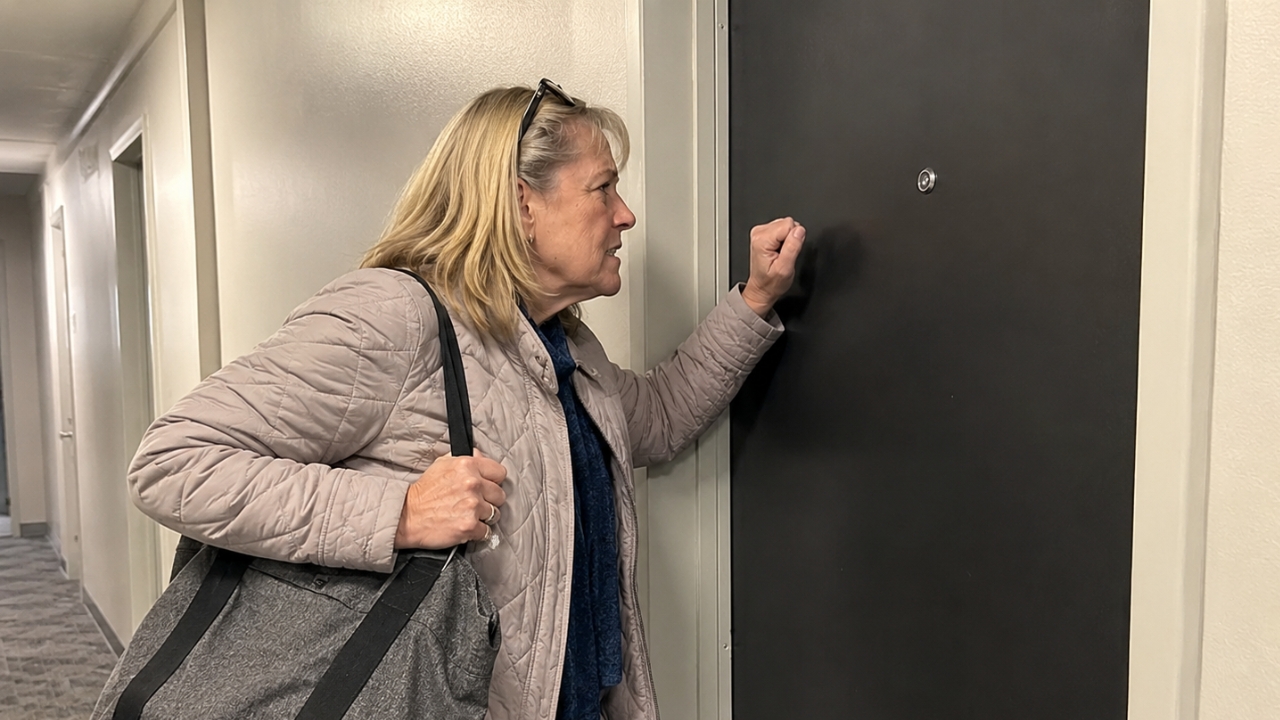
Photo credit: Thrivegirly
By the time the baby was six weeks old, the new parents had stopped jumping every time a car door shut outside their apartment. But the quiet didn’t last. A familiar knock would come at the worst moment—right after a feeding, during a nap window, or while one of them was in the shower—and when they checked the peephole, it was Grandma again, tote bag on one arm, smiling like it was a normal drop-in.
At first, they tried to treat it like excitement. She’d bring premade casseroles and tiny socks and talk about how fast babies change. The problem wasn’t the gifts. It was the assumption that the door was hers to open anytime the mood struck.
It started as “help,” then turned into unannounced drop-ins
The mom had a rough recovery and the dad had pieced together time off, then went back to work on a hybrid schedule. They’d agreed to keep visits limited while they adjusted, especially during those early weeks when sleep came in fragments and every little cough felt like a threat.
Grandma was invited over a few times with a text and a set start time. Each visit went fine until she began stretching them longer, lingering in the nursery, and hinting she could “just stop by” to give the parents a break.
Then she started treating “stop by” as an open policy. One Saturday she showed up before 8 a.m. while the baby was finally down. Another time she arrived while a pediatric telehealth appointment was on speaker. When she didn’t get an immediate answer, she knocked again, harder.
The boundary problem became a safety problem
What made it more than awkward was the access. During one of the earlier scheduled visits, Grandma had asked to take out the trash on her way to the car. She’d used the moment to copy the building’s entry code from the keypad as the dad typed it, then later admitted she “memorized it so I can bring things by.”
After that, the parents noticed the pattern: she wasn’t just arriving at the front door. She was getting into the building on her own and waiting in the hallway, where neighbors could hear the knocking and the baby’s startled crying.
One afternoon, the mom was home alone with the baby when the knocking turned into rattling. Grandma tried the knob, then called through the door that she knew they were inside because she heard the baby. The mom didn’t open it. She sat on the nursery floor, back against the crib, and texted her partner with shaking hands.
That was the day it stopped feeling like a family misunderstanding and started feeling like a security issue. The next day, the dad asked the property manager about changing the unit locks and the building code.
Rules were set, and the first test went badly
The couple tried the calm approach first. They called Grandma in the evening and laid out what they thought were basic expectations: no arriving without a confirmed invite, no showing up before a set hour, and no knocking if they didn’t answer. They also asked her not to use the entry code unless they were expecting her.
Grandma didn’t take it as a neutral safety measure. She heard it as rejection. She kept circling back to how she raised kids without “appointments,” how she was only trying to help, and how it hurt that she had to ask permission to see her grandchild.
The first test came quickly. Two days later she texted that she was “in the area” and would be up in five minutes. The dad replied that it wasn’t a good day and offered a time that weekend. She didn’t respond.
Ten minutes after that, the doorbell camera captured her coming down the hall with the same tote bag. She rang once, then twice, then leaned toward the door as if listening. When no one opened, she stood there longer than anyone should, then tried again. The baby woke up screaming.
The parents put the new visit policy in writing
After that, they stopped improvising and wrote it out like a childcare plan. Visits needed to be scheduled at least a day ahead, confirmed by both parents, and kept to a set window. If the baby was sick, they’d cancel, no debate. If Grandma arrived unannounced, they would not open the door, even if she could hear them.
They also ended the “drop off food” loophole. If she wanted to leave something, she could text and the dad would pick it up from her car later. They weren’t going to reward surprise hallway visits with access to the baby.
The building side mattered too. The property manager agreed to update the entry code and warned that repeated disturbances in the hallway could turn into a lease issue if neighbors complained. The parents didn’t want to weaponize housing rules against family, but they also couldn’t afford to be the unit everyone on the floor resented.
They installed a chain lock and asked maintenance to re-strike the door so it latched firmly. The dad started saving doorbell clips in a folder, not because he wanted to call the police on Grandma, but because he wanted a record in case things escalated.
What people focused on was documentation, not debating feelings
When the parents described the situation to friends and in parenting groups, the reactions were less about who was “right” and more about what was practical. A lot of people zeroed in on the entry code as the moment things crossed the line.
They pushed the couple to treat this like any other repeated, unwanted visit: save texts, keep the video, and keep messages short and consistent. Several people suggested one standard reply—something like “We’re not available; please schedule”—and no further engagement. The point was to avoid getting dragged into long arguments that only made Grandma feel like persistence might work.
Others stressed that the mom shouldn’t be left to handle hallway confrontations alone, especially postpartum. They suggested telling the property manager up front that a family member was ignoring requests not to come by, so the first complaint didn’t sound like a sudden surprise.
A few people brought up the extreme option: if she kept entering the building and pounding on the door, a non-emergency call could document it without turning it into a dramatic scene. The parents weren’t eager to take that route, but they understood why people mentioned it.
The tension didn’t end, it just moved to a colder place
The new rules worked in the simplest way: Grandma stopped getting inside time when she showed up unannounced. But it didn’t make the relationship smoother. She started sending guilt-heavy messages about being “shut out,” and she began contacting other relatives, framing it as the parents being overly controlling.
When a scheduled visit finally happened, it was stiff. Grandma arrived on time, but she kept checking the clock like she was proving a point. She tried to extend the visit by offering to fold laundry, then looked wounded when the dad said they had plans and needed quiet for the baby’s next nap.
The couple could feel the new reality settling in: boundaries had protected their home, but they’d also changed the emotional temperature of the family. They weren’t celebrating that. They were just trying to make it through a fragile season with sleep, health, and sanity intact.
For now, the policy remains simple and enforced the same way every time. If there’s no invite, the door stays closed. And if the knocking starts again in the hallway, they have the clips, the texts, and the building manager’s email ready—because with a newborn in the apartment, peace and safety have to come before anyone’s pride.