Grandma Kept Calling the Newborn “My Baby” — Then the Parents Made One Rule She Couldn’t Ignore
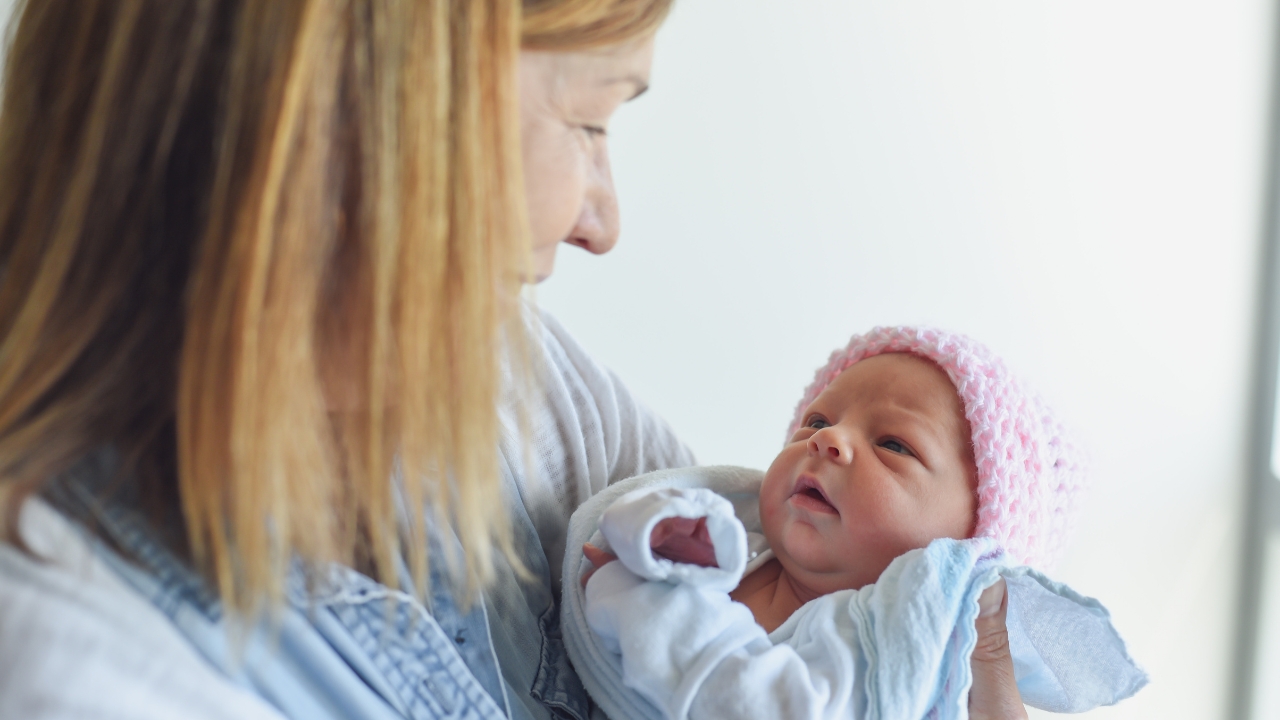
The first time it happened, the new parents tried to laugh it off. The baby was barely a week old, still figuring out nights and feeding, when the grandmother leaned over the bassinet and announced, for the third time that day, that she was here to see “her baby.”
It landed wrong. Not because she loved the child, but because she said it like a claim instead of a nickname. And every time the exhausted parents corrected her, she smiled like they were being dramatic.
It started as a habit, then turned into a pattern
The grandmother had been helpful in the early days, dropping off food and folding laundry while the parents tried to survive the newborn haze. But the language kept escalating. In group texts, she referred to the baby as “my little one.” In photos she posted to family, she captioned them in a way that made it sound like she was the one up at 2 a.m. pacing the hallway.
The parents asked her to stop in private, gently at first. They told her they wanted the baby to grow up with clear roles, and that those words made them uncomfortable. She brushed it off and said it was just what grandmas say.
Then she started doing it in front of other people. At a brief visit when a neighbor dropped by with a meal, she introduced herself as if she had just had the baby. The neighbor looked confused, then looked at the parents, then changed the subject.
The visits got tense once boundaries were tested
Things shifted when the grandmother began showing up unannounced. The parents were trying to establish a routine, especially around sleep and feeding, and surprise drop-ins turned every afternoon into a negotiation. She would knock, then call, then text, and if nobody answered quickly, she’d try the door handle “just in case it was unlocked.”
The couple started keeping the chain on and the door locked even during the day. That helped, but it also made every encounter feel like a standoff. The grandmother began framing the parents’ need for quiet as rejection, telling other relatives that she “wasn’t allowed” to see the baby.
On one visit, she reached into the bassinet and tried to lift the baby without asking. The mother stepped between them on instinct. The grandmother acted wounded and said she shouldn’t need permission.
That moment is what pushed the parents from discomfort into concern. It wasn’t about a pet name anymore. It was about someone ignoring normal consent around a newborn.
The one rule was simple, and it came with consequences
The parents sat down and wrote a short message they could send without getting pulled into a long debate. They said visits would be scheduled ahead of time, and there would be no taking the baby from a parent’s arms without asking. Then they added the line that had been hanging over everything: she needed to stop calling the baby “mine” or implying she was the parent.
They made it plain that this wasn’t a conversation topic. It was a condition. If she did it again, the visit would end immediately, and the next visit would be delayed.
The grandmother didn’t respond well. She replied with a long message about how she was being “pushed out,” and how she had “earned” a special bond. When the father reiterated the rule, she switched tactics and asked to come over “to talk it through,” which the parents declined. They said the boundary was already set and would be enforced in person.
At the next scheduled visit, she lasted about ten minutes. She cradled the baby, turned toward the window for a photo, and made the same possessive comment again. The mother reached out, took the baby back without arguing, and said the visit was over.
The grandmother refused to hand over the diaper bag and lingered in the doorway, insisting she hadn’t done anything wrong. The father repeated the rule, opened the door wider, and waited. Eventually she left, but not before saying she didn’t think she’d be “treated like this” by her own child.
The situation spilled into real-world logistics
Once the parents started enforcing the boundary, the grandmother’s behavior shifted from annoying to disruptive. She began calling at odd hours. She asked the pediatrician’s office for information, claiming she was “helping with appointments,” and the office flagged the account with a note that only the parents could make changes.
She showed up at the building again without a scheduled visit and buzzed other apartments when the parents didn’t answer. One neighbor texted the mother to ask if everything was okay because someone was downstairs insisting there was a “family emergency.”
That’s when the couple installed a doorbell camera. They weren’t trying to build a case, but they needed clarity. The footage also mattered for the landlord, since repeated buzzing and hallway arguments were starting to bother other tenants.
The grandmother also contacted the father’s workplace once, leaving a message with the front desk that sounded urgent but was really about “needing to see the baby.” The father called her back and told her that involving his job would guarantee a longer break from visits. He followed up by text so there was a written record of what had been said.
The stakes were no longer just emotional. It was sleep, work, neighbor relationships, and the anxiety of wondering who might get pulled into the conflict next.
Commenters focused on documentation and a clear script
People who heard the story from the couple’s side tended to focus on practical steps rather than arguing about intentions. They urged the parents to keep everything in writing, especially boundary messages, so the story couldn’t be rewritten later. Several suggested a simple, repeated line: if the rule is broken, the visit ends, and there’s no debate at the door.
Others emphasized safety basics: keep doors locked, don’t share appointment details, and make sure any childcare plans include strict pickup rules. A few pointed out that if the grandmother had spare keys, the locks should be changed immediately. Even well-meaning relatives can overstep when they feel entitled.
There was also a lot of talk about avoiding escalation in front of the baby. Not because a newborn understands, but because stress becomes the household atmosphere quickly. The advice wasn’t to “be nice.” It was to be predictable and firm.
And more than one person mentioned talking to the landlord preemptively. If a relative starts causing building-wide disturbances, it helps to have a paper trail showing the tenants are trying to manage it.
The hardest part was enforcing it without turning it into a war
The parents didn’t want to cut the grandmother off forever. They wanted a normal grandparent relationship, just without the blurred lines and power plays. But every time they softened, she treated it as an opening to renegotiate, and every time they held firm, she escalated the guilt.
After the second ended visit, they instituted a longer pause: no in-person time for two weeks, then a short, supervised visit if she acknowledged the rule by text. She refused at first. Then she sent a message that didn’t apologize but claimed she “understood,” followed by another request for photos of “her baby.” The mother didn’t respond to the phrasing and only replied with a neutral update about the baby doing well.
The tension in the family didn’t disappear. Some relatives tried to mediate, suggesting the couple was being sensitive. But the parents kept returning to the same point: they weren’t arguing about love. They were protecting roles, consent, and peace in their home.
For now, the rule stands because it has to. A newborn doesn’t come with much control for parents, but boundaries are one of the few things they can set—and one of the only ways to keep early parenthood from turning into a constant tug-of-war.