Stepmom Wanted Her Adult Kids Invited to the Wedding — Then the Bride Asked Why They Had Earned a Seat
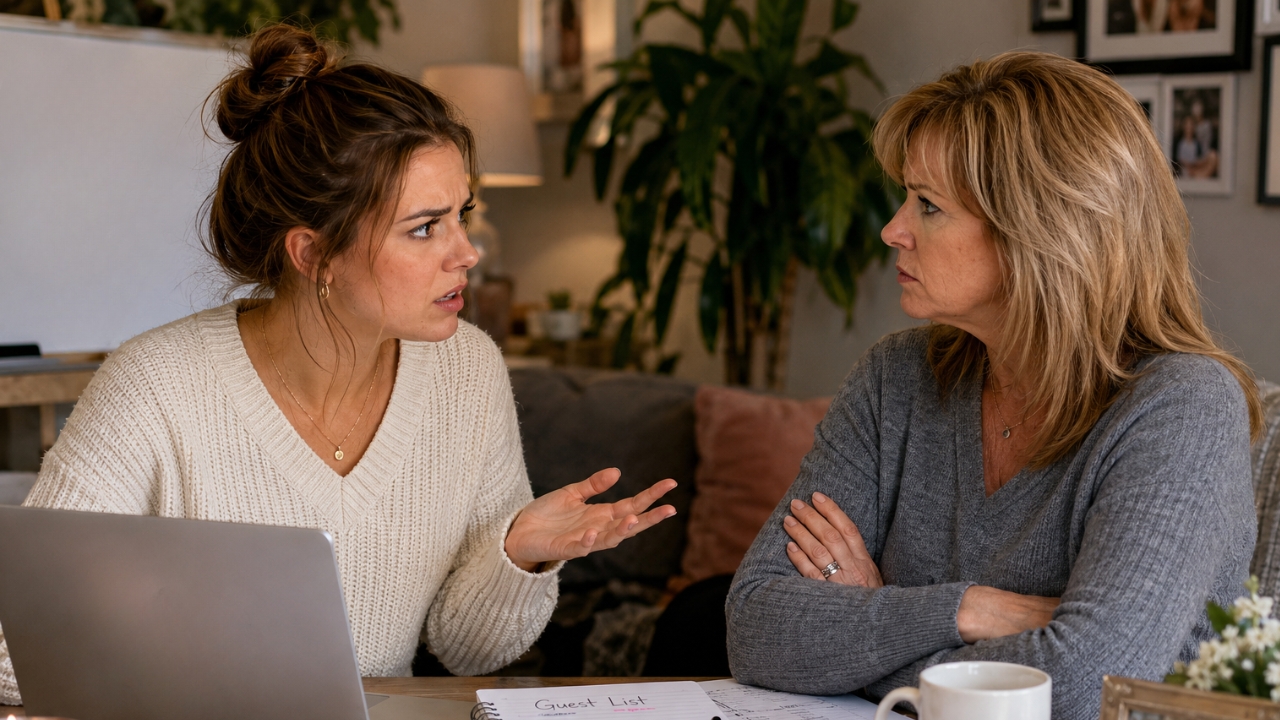
Photo credit: Thrivegirly
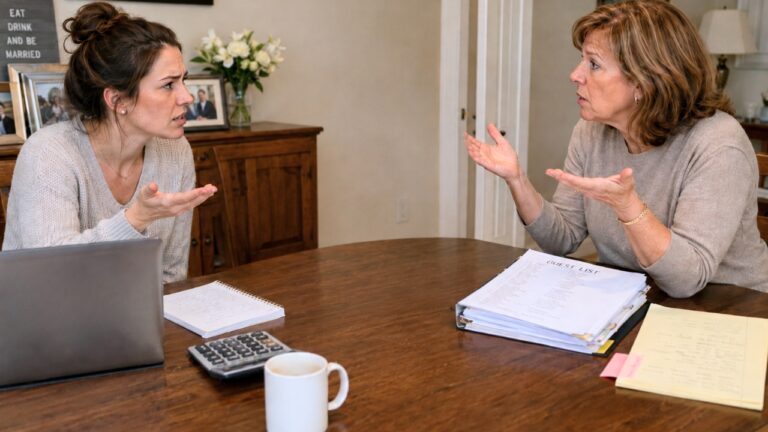
A bride-to-be said her wedding guest list turned into a family argument after her stepmother insisted that her adult children should be invited, even though the bride did not consider them part of her close family.
The woman shared the situation on Reddit, explaining that she was planning her wedding and working through the guest list when her stepmother raised an issue. Her stepmother wanted her own children invited to the wedding.
On paper, the request may have sounded simple. They were technically connected through marriage. The stepmother was part of the bride’s family, and her children were tied to that family structure too. But the bride did not feel close to them.
That was the issue.
From the bride’s perspective, wedding invitations were not automatic just because someone existed somewhere on the blended-family tree. She wanted people there who had actually played a meaningful role in her life, people who supported her relationship, knew her well, or had been part of her story in a real way.
Her stepmother’s kids did not fit that category.
The bride said she did not see why she needed to invite them, and she asked her stepmother that directly. That question did not land well. Her stepmother took it personally and saw it as an insult to her children, while the bride saw it as a fair question about a limited guest list.
The bride brought the situation to Reddit in a post titled “AITA for asking my stepmom why I need to invite her kids to my wedding?”: https://www.reddit.com/r/AmItheAsshole/comments/ricljd/aita_for_asking_my_stepmom_why_i_need_to_invite/
The emotional conflict was not really about chairs at a reception. It was about the pressure blended families can put on people to pretend closeness exists when it does not.
In many families, a parent remarries and everyone is expected to fall into neat new roles: stepmom, stepdad, stepsibling, bonus family. Sometimes those relationships become close and loving. Other times, they stay polite but distant. A wedding guest list can expose the difference quickly because it forces the couple to decide who belongs in the room for one of the most personal days of their lives.
The bride seemed to feel that her stepmother wanted the public image of one united family. Inviting her adult children would show that everyone was included, everyone counted, and there were no awkward divisions. But from the bride’s side, that image did not match reality.
If the stepmother’s children had not built a relationship with her, why should they receive invitations over people she actually loved and wanted there?
That question can feel harsh, but weddings come with limits. Every added guest can mean more money, more seating, more food, more planning, and more emotional weight. Couples often have to make hard cuts, even among people they like. Adding people out of obligation can quickly crowd out people who matter more to the couple.
The stepmother, however, seemed to hear the refusal as rejection. She may have felt that if her children were excluded, then she was being excluded too, or that her place in the family was being minimized. That is where the situation became more emotional. The bride was making a guest-list decision. The stepmother was reading it as a family-status decision.
Both things can be true, but only one person was getting married.
The bride’s question — why do they need to be invited? — cut straight to the point. If the only answer was “because they are my kids,” that may not have been enough for the bride. Her wedding was not her stepmother’s event to use as proof that her side of the family belonged.
That does not mean the bride wanted to be cruel. It means she wanted the guest list to reflect real relationships, not family politics.
The hardest part of situations like this is that the person setting the boundary often gets treated as the one creating the divide. But the divide may have already existed for years. The wedding only made it visible.
For the bride, the decision came down to whether she would invite people she did not feel connected to in order to keep the peace with her stepmother, or whether she would hold the line and accept that not everyone would like it.
Commenters were somewhat divided, but many understood why the bride questioned the invitation.
Some said she was not wrong if she truly did not have a relationship with her stepmother’s children. They argued that adult step-siblings do not automatically become close family just because a parent marries someone else, especially if the relationships were never built in daily life.
Others said the bride should consider whether excluding them would create more drama than it was worth. If the wedding was large and the added guests would not strain the budget, some commenters felt it might be easier to invite them as a courtesy.
Several people focused on the wording. They said asking “why do I need to invite them?” may have sounded sharper than intended, especially to a stepmother who already felt defensive. A calmer explanation about budget, space, or closeness might have reduced the conflict.
But many also said the stepmother needed to respect that the wedding belonged to the couple. She could ask about her children being included, but she could not demand invitations as if she controlled the guest list.
A common theme was that blended-family titles do not create instant intimacy. If the stepmother wanted her children to be seen as close family, that relationship needed to be built long before wedding invitations went out.
The strongest advice was for the bride and her fiancé to make guest-list decisions based on their real relationships and practical limits, not on pressure to perform a family closeness that did not exist. If the stepmother’s children had never earned a meaningful place in the bride’s life, the bride did not have to hand them one on her wedding day.