Grandma Drove to the Hospital and Sat in the Parking Lot — Then the Mom Said She Could Drive Home
The call came early, the kind that snaps everyone awake before anyone is fully dressed. Her daughter said she was in labor sooner than expected, and the plan was simple: meet at the hospital, get checked in, and keep things calm until her partner arrived from work.
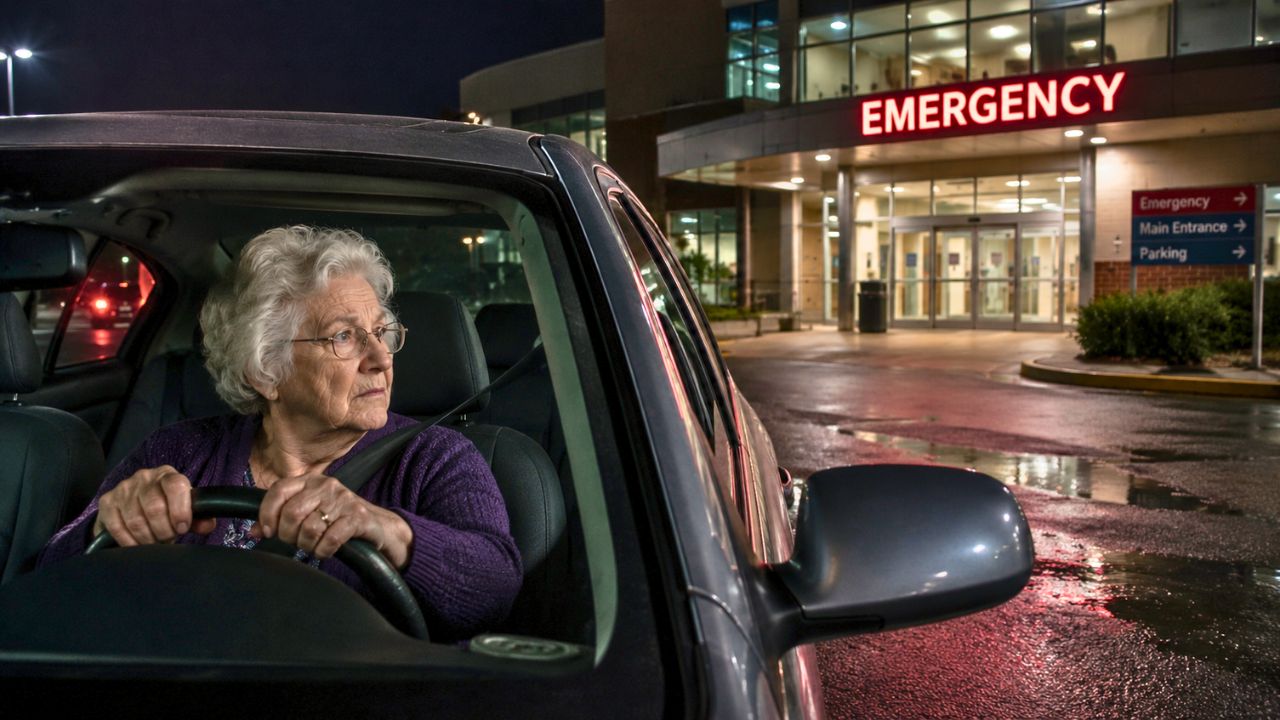
The grandmother grabbed her keys and drove across town on autopilot, more focused on the hospital entrance than the speed limit signs. She made it without incident, parked close to the emergency department doors, and then just sat there with both hands on the steering wheel, waiting for a text that never seemed to come.
She showed up fast, then didn’t move
Inside, the mom-to-be was getting triaged and hooked up to monitors. The labor wasn’t an emergency, but it was moving fast enough that nurses didn’t want her walking around the lobby. When the daughter finally messaged, it wasn’t an update—it was a request for the grandmother to stay put.
The explanation came in fragments. The mom said she’d taken something earlier for nausea and anxiety and was feeling foggy. She didn’t want her mother in the room yet, didn’t want questions, and didn’t want anyone hovering while she tried to get through the initial exams.
So the grandmother waited in the parking lot, engine off, windows cracked, watching people wheel suitcases toward the entrance. After an hour, security made a slow pass and looked at her car, then kept moving. She texted a few times and got short replies: “Still here,” “They’re checking,” “I’m okay.”
The nurse noticed a detail that changed the plan
When the daughter was finally moved to a room, a nurse asked the routine intake questions. One of them was about how she’d gotten there. The daughter said she drove herself.
That set off a quiet chain reaction. Staff asked if she’d taken anything that could make her unsafe to drive. The daughter admitted she’d doubled up on a prescription anti-nausea med because she panicked when the contractions started. It wasn’t presented as dramatic, but the nurse’s tone shifted toward procedure.
The grandmother got a call soon after—not from her daughter, but from a number she didn’t recognize. A hospital staffer explained that they couldn’t release the patient to drive herself home if she left before delivery, and they strongly recommended she not drive at all that day. The staffer didn’t order anything. They didn’t have to. The message was clear: if the daughter insisted on leaving, someone else needed to take the keys.
That’s when the grandmother stopped feeling like an extra body in the parking lot and started feeling like the only person standing between a bad decision and a serious crash.
The mom insisted she was fine to drive
Around midday, the daughter texted that she wanted to go home. She was uncomfortable, irritated by the monitors, and angry that her partner still hadn’t arrived. She said the contractions had slowed and she didn’t want to be “stuck” in the hospital.
The grandmother walked into the building for the first time, moving quickly through the sliding doors and following the signs to labor and delivery. At the desk, staff confirmed she was listed as family, then asked her to wait while they checked with the nurse.
When the daughter finally saw her, the mood went sideways fast. The daughter looked tired and flushed, and she was adamant she didn’t need help. She said she’d been cleared to leave, that she could drive, and that she didn’t want a lecture.
The grandmother tried to keep it simple: let her drive you home, pick up whatever you need, and you can be mad later. The daughter’s response was that she wasn’t a child and didn’t want anyone controlling her. Then she asked for her purse, because her car keys were inside.
It turned into a parking lot standoff
Hospital staff did what they could without turning it into a scene. They reminded the daughter about medication effects and suggested she rest longer. The daughter asked to be discharged anyway, and the paperwork moved forward in that slow, bureaucratic way that gives tempers time to boil.
Once they reached the automatic doors, the grandmother followed her outside, watching her daughter’s steps for a wobble that would justify grabbing an arm. The daughter walked straight toward her car like she’d rehearsed it.
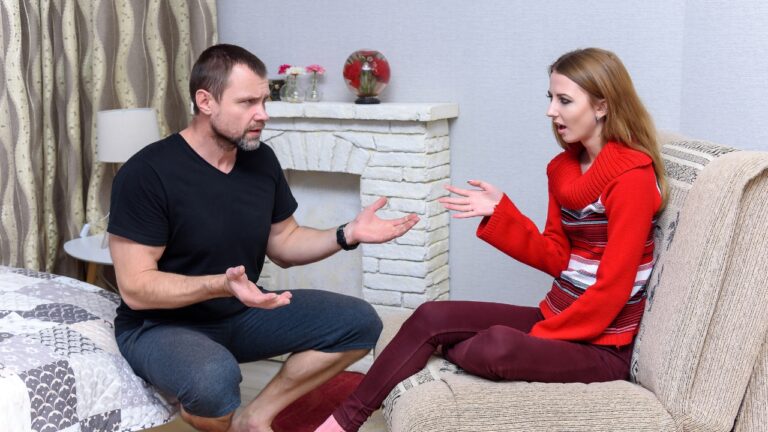
In the lot, the grandmother blocked the driver’s side door with her body. She wasn’t yelling. She just stood there, a quiet physical “no.” The daughter tried the handle, realized she couldn’t get around her, and then demanded the grandmother move.
When the grandmother didn’t, the daughter did what frustrated people do: she pulled out her phone. She threatened to call the police and report her mother for harassment. The grandmother, already shaken, called a different number—hospital security—because she didn’t want a family argument to become a 911 problem.
Security arrived quickly, two staff members walking with that practiced calm. They didn’t take sides emotionally. They asked practical questions: What medication was taken? Who had the keys? Was anyone intoxicated? The daughter kept repeating that she was being treated like a criminal for trying to go home.
After a few minutes, a nurse came out and spoke to security, then to the daughter. The nurse didn’t argue. She just framed it as safety: if something happened on the road after leaving against advice, it would be on her. The daughter stared at the pavement, then looked up and said she could still drive home.
The grandmother offered a compromise: she would drive, and the daughter could ride in silence. No lecture, no commentary, just a ride. It took another long pause, but the daughter finally handed over the keys like it cost her something.
Commenters would have focused on documentation and boundaries
People who hear stories like this tend to split into two camps: the “you did the right thing” camp and the “you can’t control an adult” camp. In real life, the advice usually turns more practical than philosophical.
Many would point out that hospital staff documenting that the patient wasn’t fit to drive matters, even if no one is arrested and no one gets hurt. If there’s a future dispute—about what was said, what was recommended, or why a family member stepped in—having notes in the discharge paperwork can protect everyone.
Others would push for boundaries that don’t rely on a parking lot showdown. Things like arranging a rideshare in advance, asking the partner or another relative to be an on-call driver, or even making a plan for who physically holds the keys when someone is stressed and medicated.
Some would also mention that calling law enforcement during a family medical situation can spiral fast. Security and nursing staff are often better equipped to de-escalate in the moment, and keeping the conflict inside hospital procedures can prevent a minor dispute from turning into a report that follows someone around.
They got home, but the tension didn’t stay in the car
The drive back was quiet in the way that feels louder than arguing. The daughter stared out the window, one hand pressed to her stomach, refusing water when the grandmother offered it at a stoplight. The grandmother kept both hands on the wheel, focused on staying calm and getting them home safely.
At the house, the daughter took her bag and went inside without a thank you, and the grandmother didn’t ask for one. She waited until the door closed, then sat in her car for a minute and let the adrenaline drain out.
Later that night, the partner called to smooth things over, explaining he’d been stuck at work and didn’t realize how fast things escalated. The daughter sent one short message that sounded like a truce, not an apology. The grandmother replied with a simple check-in and no commentary, because she knew the next few days would matter more than being right.
Everything about the situation was ordinary—family stress, medical fear, pride, exhaustion—until it wasn’t. Nobody wants to be the person standing between a loved one and their car keys. But when the stakes are a highway and a body full of medication and panic, “fine to drive” can be a dangerous story people tell themselves.