Bride Left Her Mother Off the Guest List — Then Relatives Said She Needed To Move On From the Trauma

Photo credit: Srdjan Randjelovic/Shutterstock.com
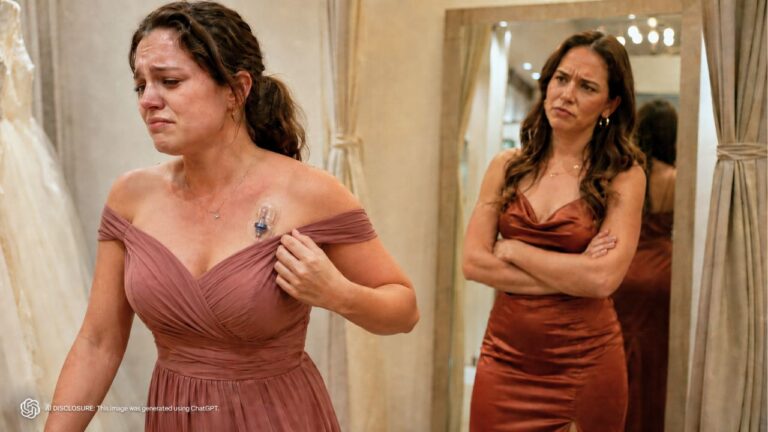
A bride planning a small courthouse wedding said she decided not to invite her mother after years of neglect, emotional pressure, and one painful comment that stayed with her long after she became an adult.
The woman shared the situation on Reddit, explaining that she and her mother had always clashed, but the wedding brought the conflict to the surface in a new way. She was not planning a large ceremony. She and her fiancé wanted something small, private, and affordable, with just a couple of friends there as witnesses.
For the bride, that choice made sense. The day was supposed to be about her and the person who loved her as she was. She did not want a large event, and she did not want family drama sitting in the middle of it.
Her mother, however, reacted badly when she found out.
According to the poster, her mother had been neglectful throughout her life. She worked constantly and rarely wanted to spend time with her daughter unless it served her own needs. From a young age, the poster said her mother leaned on her for emotional support, venting about money, relationships, family problems, and work. The poster described growing up as someone her mother relied on emotionally instead of someone her mother protected.
She also said her mother had been her first bully.
The comment that still hurt most came when the poster was 18. She had been crying to her mother, saying she felt unwanted, unloved, and afraid she would never find a romantic partner. Instead of comforting her, her mother told her that maybe someone would love her if she tried to be normal and were not so weird.
Years later, the poster found someone who loved her exactly as she was.
That contrast made the wedding decision even clearer. Her fiancé loved her fully, including the parts her mother had criticized. Their wedding was supposed to celebrate that kind of love. The poster did not want the person who had made her feel unlovable standing there on the day she married someone who proved otherwise.
When she told her mother about the courthouse plan, her mother immediately tried to take over and make plans without input from the couple. When the poster explained that there would not be a big wedding and that the ceremony would be private, her mother focused on how it made her look.
According to the poster, her mother asked what it said about her as a mother if her only child did not want her at the wedding. Then she cried in public.
The mother later went to the poster’s grandmother and told her she had not been invited. The grandmother then cornered the poster and told her she needed to “move on” from the trauma and get over it.
The bride brought the situation to Reddit in a post titled “AITA for not inviting my mom to my wedding?”: https://www.reddit.com/r/AITAH/comments/1qoosiy/aita_for_not_inviting_my_mom_to_my_wedding/
The emotional conflict was not only about a guest list. It was about the bride being asked to protect her mother’s image while ignoring the history that made the invitation feel unsafe.
Her mother framed the exclusion as proof that she was being judged as a parent. In a way, the poster seemed to agree. Not inviting her did say something about their relationship. It said the mother had not built the kind of bond that would make her presence at the wedding comforting or natural. It said years of emotional dumping, neglect, and belittling had consequences.
But the family pressure focused on the bride’s reaction, not the mother’s behavior.
The grandmother’s comment was especially painful because it suggested the bride was responsible for moving past the hurt on a timeline that made everyone else comfortable. She was not being asked whether her mother had apologized in a meaningful way or taken responsibility. She was being told to get over it so the wedding could look more acceptable.
The poster later added that this was the first time her grandmother had not supported her, and it threw her off. She said she was trying one last attempt to reconcile with her mother, but if that failed, she planned to eventually go no-contact. She said when she had tried to get her mother to apologize, the response was usually a version of “I’m sorry you feel that way.”
That kind of apology did not bring repair.
The bride also clarified that her fiancé had seen her mother’s behavior firsthand and strongly disliked how she treated her. That mattered because the wedding was not simply her family event. It was the beginning of her marriage. She and her fiancé both had to decide who they wanted in the room on a day meant to feel safe, loving, and peaceful.
The poster even tried offering another option. She suggested a reception, after-party, or dinner with family so they could still celebrate together in some way. Her mother was still angry because she was not allowed at the ceremony itself.
That response made the issue clearer. The mother did not only want to celebrate. She wanted access to the central moment, even though the couple had chosen something intentionally small.
For the bride, the decision came down to peace. She had spent years managing her mother’s emotions. She did not want to spend her wedding day doing it again.
Commenters strongly supported the bride and said she was not wrong for leaving her mother off the guest list.
Many said the mother’s reaction proved why she should not be invited. Instead of listening to her daughter’s pain, she immediately made the wedding about herself, her image, and what other people would think of her as a mother.
Several commenters pushed back against the grandmother’s advice to “move on” from the trauma. They said moving on does not have to mean giving the person who caused the hurt access to an intimate wedding ceremony. One commenter put it simply: the bride was moving on, just not in a way that absolved her mother.
Others told the poster that a wedding is not the place to repair a damaged parent-child relationship. If reconciliation is possible, it should happen through accountability and changed behavior before the wedding, not by forcing the bride to include someone who makes her feel unsafe.
Some commenters also warned her to keep ceremony details private if there was any chance her mother or grandmother might show up anyway. Several suggested telling only the people invited and making sure they understood not to share the time or location.
A few people said the bride could still offer a dinner or later celebration if she wanted to, but only if her mother could respect the boundary around the ceremony. If the mother kept pushing, commenters said, she did not need access to that either.
The strongest advice was for the bride to choose peace over appearances. Her wedding did not need to prove anything about her mother. It needed to be a day where she and her fiancé could celebrate their life together without the person who had spent years making her feel small.