New Managers Stripped the Accommodations She’d Relied On Since 2017 and Fired Her for Insubordination — Then She Filed a Charge and Walmart Settled
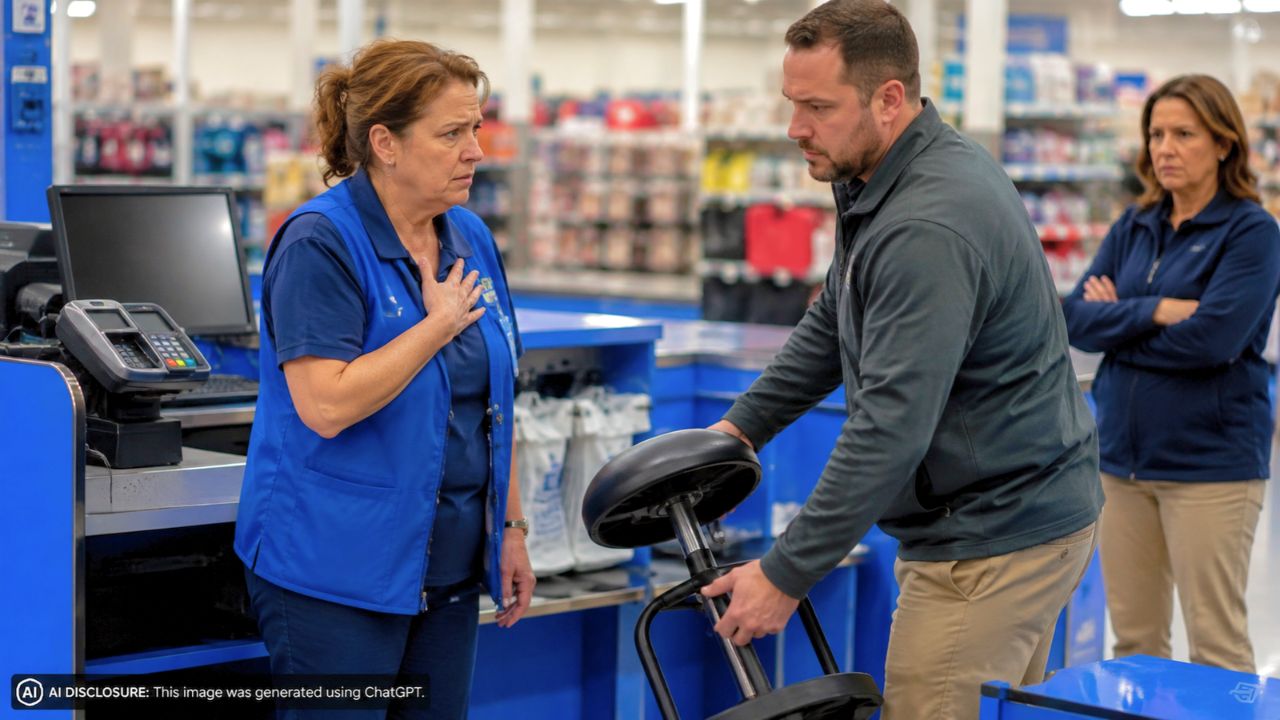
Photo credit: AI-generated image created using ChatGPT. Illustrative only.
A lot of workplace problems start the same way: somebody new takes over, decides the old way is “too complicated,” and starts pulling threads without realizing they’re holding the whole thing together. Most of the time that creates frustration, maybe a couple heated meetings, and then everyone moves on. But when the “old way” is a disability accommodation that’s helped a person do the job for years, yanking it away isn’t just careless—it can be illegal.
That’s the heart of a recent disability discrimination case involving Walmart in Farmingdale, New York. In a press release from the U.S. Equal Employment Opportunity Commission (EEOC), Walmart agreed to pay $60,000 and provide other relief to settle a federal lawsuit alleging the company revoked accommodations an employee had relied on since 2017 and then fired her for insubordination after conflict followed. The EEOC’s details are laid out in the original post.
The story has the kind of plain lesson grown adults don’t like to learn the hard way: if you inherit a team, you also inherit the obligations that come with it. You don’t get to pretend someone’s needs are “preferences” just because you weren’t the one who approved them.
What the EEOC says happened at the Farmingdale Walmart
According to the EEOC’s lawsuit, the employee worked as a customer availability process associate at Walmart’s Farmingdale supercenter. The agency says she has hearing, speech, and cognitive impairments, and that she had been provided accommodations since 2017 that allowed her to successfully perform the job. That detail matters, because it frames accommodations as part of how the job was being done—not as special favors.
The EEOC also notes that the employee received positive performance ratings from her managers, including comments describing her as “very dedicated to her position” and providing “valued performance.” In other words, the record—at least as the EEOC describes it—wasn’t a struggling employee being carried along. It was someone doing her work with support in place.
The pivot point: new managers, discontinued accommodations
Things changed in January 2020, when Walmart managers who were new to the Farmingdale location allegedly discontinued those accommodations. The EEOC describes the accommodations as being designed to help her understand her daily assignments. If you’ve managed people before, you know daily assignment clarity is the difference between a smooth shift and a mess, even for employees without disabilities.
When the accommodations were discontinued, the EEOC says the failure to reasonably accommodate her disabilities led to a conflict about her tasks for the day. The lawsuit then alleges Walmart fired her for insubordination. That sequence—remove the support, confusion follows, conflict erupts, discipline lands—is a pattern that shows up in workplaces more than people want to admit.
Why “insubordination” can get complicated under the ADA
Most managers hear “insubordination” and think, “Open-and-shut. The employee refused.” But the ADA doesn’t let an employer ignore the context if the alleged misconduct is tied to an unmet need for reasonable accommodation. The EEOC’s regional attorney for the New York District Office, Kimberly Cruz, put it plainly: federal law prohibits firing an employee because of a disability or the need for a reasonable accommodation.
She also noted that if an employer’s unlawful failure to accommodate a disability leads to an employee’s termination, the firing itself may also be unlawful under the Americans with Disabilities Act. That’s not a small point. It means you can’t create the conditions for failure by pulling away what makes success possible, then punish the person for failing in the environment you broke.
What Walmart agreed to in the settlement
Walmart’s settlement includes $60,000 in monetary relief, according to the EEOC. The resolution came through a consent decree signed on Dec. 17, 2025. The lawsuit itself was filed in the U.S. District Court for the Eastern District of New York (Civil Action No. 1:23-cv-06902) after the EEOC attempted to reach a pre-litigation settlement through its conciliation process.
Money is the headline number, but the non-monetary terms are often what change day-to-day behavior. Here, the EEOC says the consent decree requires training for managers and human resources employees on the ADA and reasonable accommodations. It also requires compliance-related reporting to the EEOC and posting a notice in the workplace informing employees of the settlement and of their rights against discrimination.
The part companies keep missing: accommodations are systems, not favors
One reason cases like this keep happening is that accommodations often live in people’s memories instead of in durable systems. A supportive manager learns how an employee works best, makes a few adjustments, and the person thrives. Then that manager transfers, retires, or gets replaced, and the next person treats those adjustments like optional perks that can be “streamlined.”
If the EEOC’s allegations are accurate, the employee had years of successful performance with accommodations in place. That should have been a blinking light for any new manager: “Don’t touch this casually.” When you take over a team, you’re not just inheriting schedules and sales goals. You’re inheriting the responsibility to keep lawful supports intact and to ask questions before changing anything that affects how someone can do the job.
A grounded takeaway for leaders and coworkers
This isn’t only a management issue, either. Coworkers can unintentionally add pressure by treating accommodations as unfair advantages, especially in busy retail environments where everyone’s tired and the work keeps coming. But the ADA exists because equal opportunity sometimes requires reasonable adjustments, and those adjustments are part of doing business—not a workaround to be resented.
For leaders, the basic discipline is humility: assume you don’t know what you don’t know. Ask HR what accommodations are in place and why. Document changes carefully. And if a conflict happens, slow down long enough to figure out whether the employee is being defiant or whether they’re being set up to fail because the structure that helped them understand their work has been removed.
Faith doesn’t have to be dragged into everything, but it does shape how a man thinks about authority. If you’ve been given responsibility over people, that’s stewardship. Stewardship means you don’t make snap decisions that land hardest on the person with the least power in the room.
The EEOC’s acting director of the New York District Office, Arlean Nieto, said the agency will continue to hold employers accountable for denying reasonable accommodations to employees with disabilities. Walmart’s settlement doesn’t rewrite the past, but it does put a marker down: accommodations that help someone do the job aren’t optional when leadership changes. If a company wants “consistency,” it should start by being consistent about the rights of the people who keep the place running.
Read more from Thrive Girly:
- Mother-in-Law Expected to Sleep Over After Every Visit — Then the Mom Said Overnight Stays Were No Longer an Option
- Relatives Showed Up to the Wedding Without Being Invited — Then the Couple Refused to Find Them Seats
- Grandma Buckled the Baby Into Her Car and Left Without Telling Anyone — Then the Mom Made Sure It Never Happened Again