Stepsister Said She Was Glad Her Mom’s Cancer Diagnosis Was ‘Inconveniencing’ Her Into Visiting More — Then She Wasn’t Invited to the Wedding
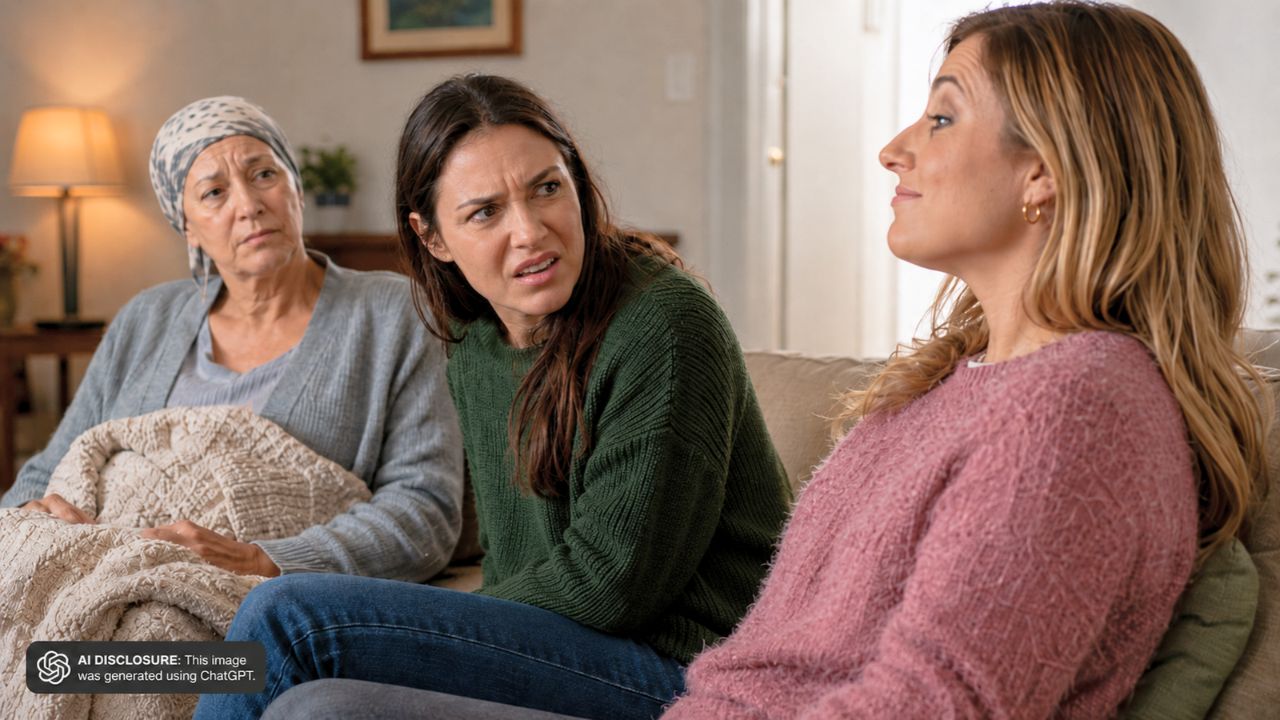
Photo credit: AI-generated image created using ChatGPT. Illustrative only.
Family can carry a grudge longer than it carries groceries. And weddings have a way of dragging every unresolved comment, every awkward dinner, and every “you know how she is” excuse right into the seating chart.
In the original post, a 28-year-old bride-to-be explains why her 26-year-old stepsister, “Rae,” didn’t make the cut for a small fall wedding. Years earlier, during the bride’s mother’s cancer treatment, Rae made a remark at a family dinner suggesting that at least the diagnosis meant the bride would “actually visit dad’s side more.” The bride took it as Rae being glad her mom’s illness was inconveniencing her into showing up.
Three years later, the bride’s guest list is capped around 60 people and Rae isn’t on it. Dad is angry, stepmom is quietly hurt, and the bride’s mother refuses to be used as leverage either way. The question isn’t only whether to invite Rae; it’s whether a wedding is the place to enforce consequences that never got addressed in the first place.
A thoughtless sentence can still do real damage
People act like words are weightless until the wrong ones land on the wrong day. When someone’s mother is in chemo and life is already thin and shaky, a careless comment doesn’t just sting; it brands itself into memory. The bride isn’t crazy for remembering it clearly, because pain has a longer attention span than everyone else at the table.
Rae’s line was framed as a scheduling win for “dad’s side,” but it used a cancer diagnosis as the lever. Even if Rae meant it as clumsy humor or a self-centered aside, it treated someone else’s crisis like a family calendar adjustment. When you say something like that, you don’t get to decide it didn’t count.
The problem isn’t only what Rae said, but what nobody did after
Dad brushed it off with the classic defense: “She doesn’t think before she talks.” That sentence is a get-out-of-jail-free card for grown adults who keep stepping on landmines and never having to pick up the pieces. It trains the family to manage the offender’s personality instead of expecting repentance, repair, or even basic decency.
What’s missing from the story is the one thing that would’ve changed the whole trajectory: a real apology from Rae and a real conversation facilitated by the parents. Not a forced “sorry if you felt that way,” but an honest admission that she spoke selfishly and hurt someone during a brutal season. When nobody circles back, the injured person is left holding the debt, and it shows up later in places like… a wedding guest list.
Small weddings don’t have room for “tolerate her for us”
A 60-person wedding isn’t a community picnic; it’s a curated room. Every name is there because the couple wants them near when vows are spoken and pictures are taken and parents are emotional. In a tight budget and a tight guest count, invitations aren’t neutral.
So the bride’s instinct makes sense: why spend money and emotional bandwidth to host someone she associates with one of the worst comments of her life? People like to say, “It was years ago,” but time doesn’t heal what never got cleaned. A wedding isn’t group therapy, and it’s not the day to test whether you can “just be civil” while you’re already stressed and trying to be present.
Dad and stepmom are feeling a different kind of pain
Dad sees it as his daughter punishing Rae for one sentence said at 23, during a messy period of her own life. He’s not entirely wrong to notice that people can mature between 23 and 26, and that a single moment shouldn’t always define somebody forever. He also may be thinking about his own marriage and the message it sends to his wife if her daughter is excluded.
Stepmom’s hurt sounds quieter, but it’s there. For many remarried couples, “blended family” is held together by small courtesies and symbolic gestures, and wedding invitations are one of the biggest symbols there is. An excluded child can feel like an indictment of the whole arrangement, even if the real issue is one particular comment that was never properly dealt with.
Still, it’s not fair for parents to turn “keeping the peace” into a bill the bride has to pay. Peace isn’t the absence of conflict; it’s the presence of honesty and repaired relationships. If Dad wants Rae included, his energy would be better spent helping Rae own her words and make things right than pressuring the bride to smile through resentment.
Your mom’s response is wiser than it looks
The bride’s mom says, “That’s your decision to make, don’t put me in the middle of it,” and the bride feels unsupported. But that response has backbone. She’s refusing to become a weapon in someone else’s family fight, and she’s also refusing to demand punishment on her behalf.
There’s a quiet dignity in that. A mother who has lived through cancer treatment often has a clearer view of what matters and what doesn’t, and she may not want her daughter’s wedding defined by old bitterness. She’s letting her daughter make an adult call without manipulating her with guilt, which is rare and commendable.
If Rae isn’t invited, it shouldn’t be a silent sentence
If the bride stands firm, the cleanest way is to be direct and contained: “I’m not comfortable having Rae there because that comment during my mom’s cancer still hasn’t been addressed.” Not a long speech, not a courtroom argument, and not a character assassination. Just a clear boundary tied to a specific event.
But a boundary without a path to repair can calcify into a permanent family fracture. If the bride is open to reconciliation, she can say so plainly: she’d consider it if Rae acknowledges what she said and apologizes without excuses. That’s not groveling; that’s adulthood. It’s also a very Christian idea, if faith is part of the family’s vocabulary: confession, repentance, and then restoration.
And if Rae won’t do that, then the wedding becomes less about punishment and more about clarity. A person who can’t own a cruel moment has no business demanding a place at the most personal table you’ll ever set.
If Rae is invited, it needs guardrails and a plan
There’s another option: invite Rae for the sake of Dad and stepmom, but only after a conversation that names what happened. The bride doesn’t have to pretend it was fine, and she doesn’t have to do it alone. Dad, who minimized the comment the first time, can do something useful now by helping broker a real apology.
Inviting her without that conversation is how resentment grows. The bride will spend her wedding day monitoring her own face, wondering if Rae will say something else foolish, and feeling like she caved under pressure. If Rae can apologize and show even a little humility, an invitation becomes less like surrender and more like choosing peace on purpose.
Either way, the couple should also protect the day: keep interactions limited, avoid seating that forces closeness, and make sure the bridal party isn’t tasked with playing referee. A wedding should feel like joy, not like managing someone else’s lack of self-control.
Leaving Rae off the list doesn’t automatically make the bride petty, and inviting her doesn’t automatically make the bride weak. The bigger issue is that a serious hurt was dismissed, then allowed to sit and rot for three years. Whether Rae attends or not, the family would do well to stop treating “she doesn’t think before she talks” as a personality quirk and start treating it like a character problem that requires ownership, apology, and change.
Read more from Thrive Girly:
- Mother-in-Law Expected to Sleep Over After Every Visit — Then the Mom Said Overnight Stays Were No Longer an Option
- Relatives Showed Up to the Wedding Without Being Invited — Then the Couple Refused to Find Them Seats
- Grandma Buckled the Baby Into Her Car and Left Without Telling Anyone — Then the Mom Made Sure It Never Happened Again