Her Sister Assumed She’d Automatically Be Maid of Honor — Then She Chose Her Best Friend Instead
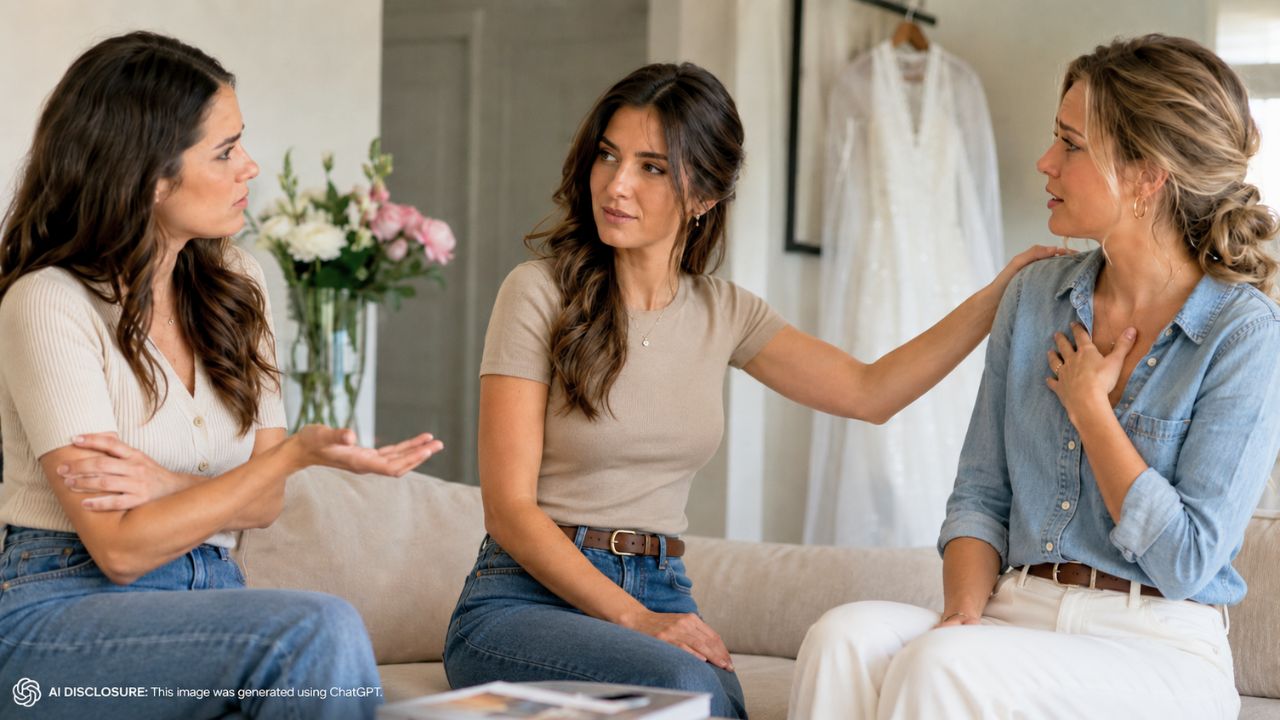
Photo credit: AI-generated image created using ChatGPT.
Weddings have a way of turning normal expectations into unspoken law. Somebody assumes a role, somebody else assumes they “know their place,” and then one decision exposes how much of the relationship was being held together by routine and pride instead of clear conversation.
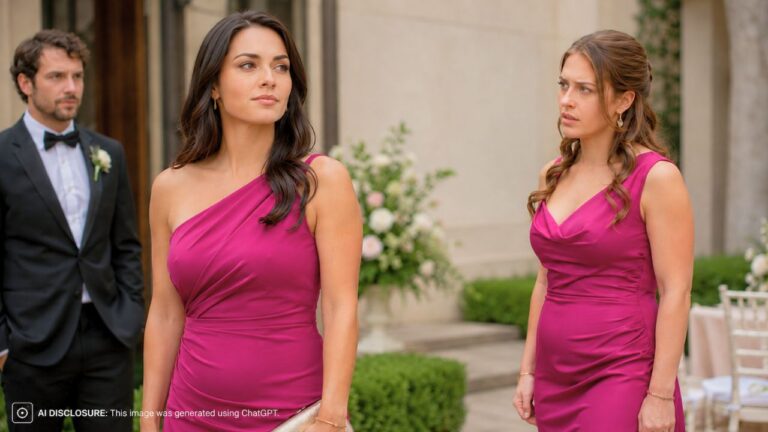
In the original post, a 27-year-old bride-to-be said she chose her best friend of 16 years as her maid of honor, even though she and her 29-year-old sister have always been close. The announcement happened at a brunch where she surprised her bridesmaids with gift boxes. Everybody was excited—except her sister, who gave off what the bride described as “fake happy” and passive-aggressive energy that didn’t go away.
When the sisters met for coffee later, the sister finally let it fly. She said she was “supposed to” be maid of honor, that she deserved it more than the best friend, and that family should outrank friends. Then their parents got pulled in, with mom and dad taking the sister’s side and repeating the familiar line: “family always comes over friends.”
The title isn’t the relationship, but it can reveal the expectations
A maid of honor slot is a symbol, not a sacrament. It doesn’t measure love in ounces. But symbols have a way of flushing out what people have been quietly expecting for years, and that’s what happened here.
The bride thought she was making a straightforward choice: the friend who had been “heavily involved” in planning and projects would be the maid of honor. The sister apparently thought closeness alone earned the title automatically. Nobody sat down early and said, “Hey, what are you hoping for?” so the first real conversation happened after the decision was public—and that’s the worst time to find out you’re not on the same page.
Why the sister’s assumption had fuel behind it
The bride added two details that explain a lot. First, there’s no family tradition that “the sister is the maid of honor.” Second, the bride was the maid of honor at her sister’s wedding three years ago. That second piece matters, because it can create a quiet scoreboard even if nobody admits it.
If you made me your maid of honor, then you should make me yours. That’s a natural human thought, and it shows up in families all the time: favors become contracts, kindness becomes leverage, and love turns into accounting. The trouble is that weddings aren’t supposed to be payback. They’re supposed to be a public witness to a new household being formed, and the wedding party is there to support that—not to settle old expectations.
Parents rushing in rarely makes it better
Pulling mom and dad into a dispute like this is like throwing extra logs on a fire. It raises the stakes and makes the couple’s wedding feel like a family referendum. The bride didn’t just have a tense coffee with her sister anymore; now she had parental pressure, too.
“Family over friends” sounds noble until you use it as a weapon. Sometimes family is the safest place on earth. Other times family is where people feel entitled to you, where boundaries get treated like betrayal, and where everyone expects you to keep the peace by surrendering. A father and mother can care about unity without turning the bride’s decision into a loyalty test.
Who’s actually doing the work matters
The bride said her best friend has been deeply involved in the last 10 months of active planning. The sister, by contrast, has a busy life and hasn’t been “overwhelmingly involved,” helping mostly with the color scheme. That’s not an insult; it’s just reality.
A maid of honor is often the person who carries weight: keeping things organized, helping the bride breathe, handling small crises, being the steady presence when emotions run hot. The title shouldn’t be handed out like an inheritance. If the friend is already acting like the maid of honor, it makes sense for the role to match the reality.
None of this means the sister doesn’t matter. It means the sister isn’t automatically the best fit for that specific job, at this specific season. A healthy family can handle that without collapsing into drama.
The real issue wasn’t the choice—it was the surprise
Even if the bride made the right call, the rollout was rough. If you know someone close to you might expect the top slot, surprising them in a public setting is risky. A brunch with gift boxes is sweet, but it’s also a spotlight, and disappointment under a spotlight turns people weird.
It’s hard to blame the bride for not anticipating it—she said her sister never expressed explicit interest in being maid of honor. Still, close relationships run on more than explicit requests; they run on assumptions. A quiet conversation ahead of time—“I’m planning to ask my friend to be maid of honor, and I really want you beside me as a bridesmaid”—might have prevented the blowup, or at least softened it.
Don’t buy peace with a decision you’ll resent later
The bride wondered if she should “fold” and give the title to her sister just to squash the drama. That’s a tempting move because it feels like leadership: take the hit, keep the family calm, move forward. The problem is that peace purchased by resentment doesn’t stay peaceful.
If she changed the maid of honor to satisfy pressure, she’d be teaching everyone involved that emotional escalation works. She’d also risk damaging the friendship that has been carrying real weight in the process. Weddings are stressful enough without adding a simmering grudge to the bridal party dynamics.
There’s also a marriage principle hiding here. A wife and husband have to learn early that not every family demand gets a vote in their home. If parents can override a bride’s choice now, it won’t get easier later with holidays, finances, and boundaries around time and kids.
Repair looks like humility on both sides
The post included a brief update: the sisters made up, though the writer couldn’t post the full update. That’s encouraging, because it suggests both women found their way back to relationship instead of staying stuck on a title.
In a moment like this, a strong repair usually includes two things. The bride can acknowledge that the public reveal stung and that she values her sister deeply, not just as a bridesmaid but as family. The sister can own that entitlement and recruiting the parents were unhelpful moves, and that love doesn’t need a crown to be real.
Families stay close by telling the truth early, apologizing quickly, and refusing to turn every disappointment into a court case. If they can do that here, they’ll be better prepared for bigger pressures later—because marriage doesn’t reduce family complexity, it rearranges it.
A wedding party title feels huge until you remember what the day is actually about. The bride’s job is to step into marriage with integrity, not to manage everyone’s expectations. If the sisters found their way back to each other, that’s worth more than any sash, bouquet, or seating arrangement ever will be.
Read more from Thrive Girly:
- Mother-in-Law Expected to Sleep Over After Every Visit — Then the Mom Said Overnight Stays Were No Longer an Option
- Relatives Showed Up to the Wedding Without Being Invited — Then the Couple Refused to Find Them Seats
- Grandma Buckled the Baby Into Her Car and Left Without Telling Anyone — Then the Mom Made Sure It Never Happened Again